
Flowers
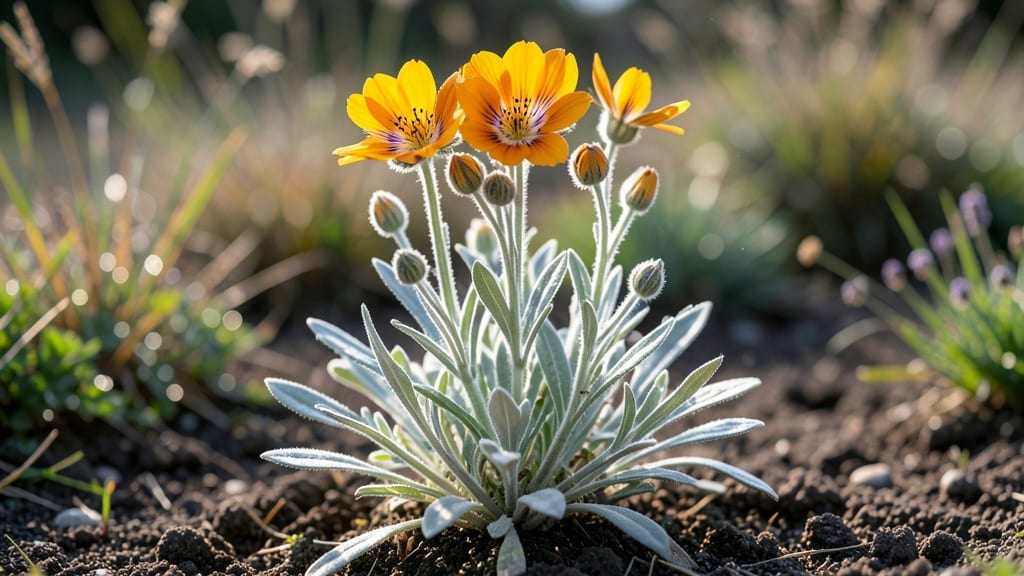
Wallflowers grow anywhere from 6 inches to 2 feet tall, depending on the variety and growing conditions, making them a versatile choice for gardens of all sizes.
Ever wondered how tall your wallflower plants will grow? The answer depends entirely on the variety—some stay compact enough for window boxes, while others tower like small shrubs. Knowing the exact height range helps you plan your garden layout perfectly.
For example, Erysimum cheiri varieties like 'Bowles White' typically max out at 12-18 inches, perfect for borders or containers, while taller types like Cheiranthus allionii can reach 24 inches or more, ideal for backdrops or cottage-style gardens.
In this guide, I’ll break down the height ranges by variety, how sunlight and soil influence growth, and practical tips to manage their size for your garden design—so you can choose the perfect wallflowers for your space.


Wallflower height ranges by variety: from dwarf to tall shrub types
Wallflowers (Erysimum spp.) offer a stunning range of heights, from tiny 6-inch window-box wonders to 24-inch shrub-like varieties. Understanding these height variations helps you create layered garden designs with perfect proportions.
Whether you need border edges or backdrop drama, selecting the right variety ensures your garden thrives with structure and color.
The most common wallflower species, Erysimum cheiri, includes both dwarf and tall cultivars. For example, the beloved 'Bowles White' stays compact at just 12-18 inches, while 'Fire King' reaches 18-24 inches. These differences aren't just about aesthetics—they also affect planting spacing and sunlight exposure needs.
Here’s a quick reference for popular varieties, including their mature heights and ideal uses in garden design:
Dwarf varieties like Cheiranthus allionii are perfect for rock gardens or hanging baskets, while taller types like 'Fire King' create stunning backdrops for perennial borders. When planning your garden, consider how these heights will interact—pairing 12-inch wallflowers with 18-inch lavender, for example, creates a natural, layered look.
Some wallflowers, like Erysimum linifolium, have slender stems and grow upright, making them ideal for cut flower arrangements. Others, such as 'Bees' Orange', stay compact and bushy, perfect for pollinator-friendly containers. Always check the growth habit when selecting varieties to avoid overcrowding or underutilized space.
If you’re growing wallflowers in containers, opt for dwarf varieties like 'Bowles White' to prevent root-bound issues. For ground planting, taller varieties can be spaced 12-18 inches apart to allow airflow and reduce disease risk.
Proper spacing also ensures each plant gets enough sunlight, which directly impacts height and bloom production.
One common mistake is assuming all wallflowers stay the same height. For instance, Erysimum cheiri can vary by 6 inches depending on the cultivar. Always read seed packets or plant tags for mature height estimates—this small step saves time and frustration later in the season.
For garden
How to choose wallflower heights for your garden design
When designing your garden, wallflower height is everything—it determines whether they’ll serve as delicate border edging or bold backdrop plants. The key is pairing varieties strategically to create layers that draw the eye.
Start by grouping dwarf varieties (6-12 inches) near pathways or window boxes, while taller types (18-24 inches) anchor borders or climb trellises for vertical interest.
Spacing is just as critical as height selection. Compact wallflowers like 'Bowles White' need only 8-12 inches apart to prevent overcrowding, while standard varieties such as 'Fire King' thrive with 18-24 inches of space. This ensures airflow reduces disease risk and lets each plant showcase its blooms without competition.
For maximum visual impact, pair tall wallflowers with shorter companions like sweet alyssum or thyme. The contrast creates texture while keeping maintenance manageable.
In mixed borders, place tallest varieties at the back and gradually step down heights toward the front—this classic garden layering technique makes designs feel intentional and balanced.
Don’t overlook container gardening for compact varieties. Dwarf wallflowers thrive in window boxes or hanging baskets, adding color to patios or decks. Just ensure containers have drainage holes and use well-draining potting mix to prevent root rot. For containers, space plants 6-8 inches apart to avoid root competition.
Wallflower Height Pairing Guide
- Tall Backdrops (18-24"): Use 'Fire King' or 'Ruby Glow' behind shrubs or fences for height and drama.
- Mid-Height Borders (12-18"): 'Bowles Mauve' or 'Queen of Night' create soft transitions between tall and short plants.
- Compact Edging (6-12"): 'Bowles White' or 'Little Dorrit' line pathways or frame garden beds elegantly.
- Container Stars (6-12"): Dwarf varieties thrive in pots, adding color to patios or balconies year-round.
- Vertical Climbers (18-24"): Train tall types like 'Ruby Glow' on trellises for stunning vertical displays.
Pruning plays a surprising role in height management. Pinch back new growth in early spring to encourage bushier, shorter plants—ideal for containers or borders. For taller varieties, prune after flowering to redirect energy into next year’s blooms.
This simple technique keeps wallflowers within your desired height range while extending their lifespan.
Finally, consider seasonal color shifts when planning heights. Plant tall spring-blooming varieties like 'Fire King' behind summer annuals to create continuity. As summer plants grow taller, the wallflowers’ role shifts from star to supporting actor—until they bloom again in cooler months. This layered approach ensures year-round interest without height clashes.