
Flowers
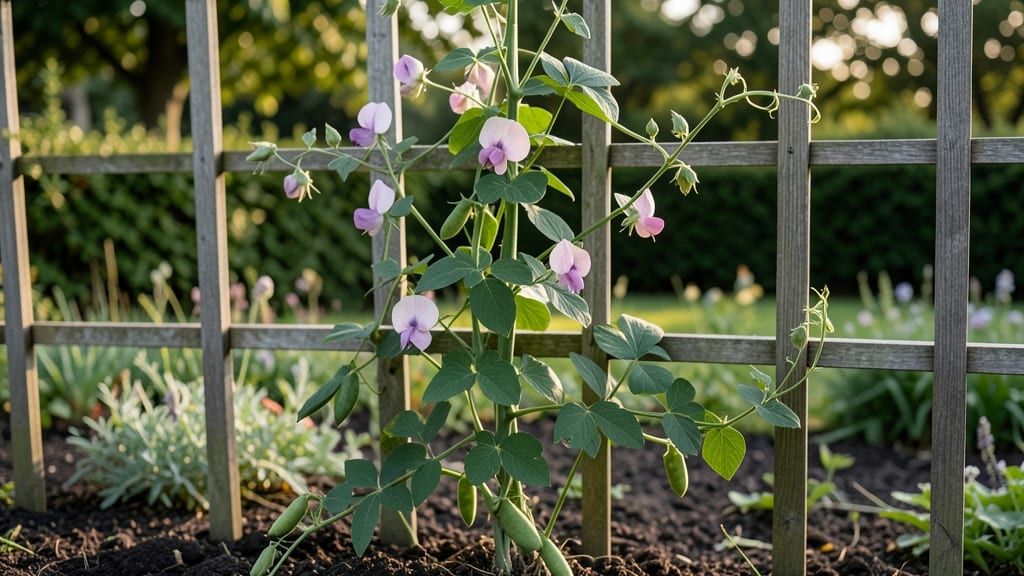
Sweet pea flowers grow anywhere from 2 feet to towering 10 feet tall, depending on the variety and how you support them 🌸 — and knowing their mature height can make or break your garden design.
Imagine this: you’ve spent weeks nurturing delicate sweet pea seedlings, only to watch them sprawl helplessly across the ground instead of climbing gracefully toward the sky. That’s the difference between a well-planned trellis and a garden that looks more like a tangled mess than a floral masterpiece.
Some varieties, like the dwarf 'Cupani,' stay compact at just 2-4 feet, perfect for small gardens or containers. Meanwhile, standard climbers like 'Spencer' can reach 8-10 feet when given sturdy support.
The right trellis isn’t just about aesthetics—it’s about giving your sweet peas the vertical space they crave to thrive.
In this guide, you’ll discover how to match your sweet peas to the perfect support, space them for maximum growth, and turn even the smallest patch into a fragrant, eye-catching display. Let’s get started!


Sweet pea flower height guide by variety: dwarf to giant climbers
Sweet peas are one of the most versatile climbing flowers, with varieties ranging from compact bush types to towering vines that can reach your rooftop. Understanding their mature heights helps you plan trellises, garden layouts, and even container setups.
Some varieties stay under 3 feet while others climb 10 feet or more—the difference comes down to genetics and growing conditions.
Most gardeners choose sweet peas for their vertical drama, but without knowing the height range, you might end up with overcrowded plants or underutilized space. For example, dwarf varieties like 'Tom Thumb' work perfectly in window boxes, while giant climbers like 'Blue Moon' need sturdy trellises or fences.
Let’s break down the most popular varieties by their mature heights and ideal growing setups.
Here’s a quick reference for sweet pea height ranges, including trellis recommendations and sunlight needs:
| Variety | Mature Height | Trellis Type | Sunlight Needs | Best For |
|---|---|---|---|---|
| 'Tom Thumb' | 2–3 ft | None (bush type) | Full sun | Containers, borders |
| 'Cupani' | 3–5 ft | Small obelisk or stake | Full sun | Balconies, trellises |
| 'Spencer' | 5–7 ft | Medium trellis or fence | Full sun | Garden borders, pergolas |
| 'Blue Moon' | 7–10 ft | Tall fence or sturdy trellis | Full sun | Large walls, arbors |
| 'Painted Lady' | 6–8 ft | Tall obelisk or netting | Full sun | Vertical gardens, trellises |
If you’re growing dwarf varieties like 'Tom Thumb', you can skip trellises entirely and let them sprawl as bush-type plants. These are perfect for window boxes or container gardens where space is limited. Just ensure they get 6+ hours of sunlight daily to encourage blooming.
For semi-dwarf types like 'Cupani', a small obelisk or single stake works wonders, keeping vines off the ground while allowing airflow to prevent disease.
For standard climbers such as 'Spencer' or 'Painted Lady', invest in a 6-foot trellis or garden fence. These varieties thrive when given something sturdy to climb, and their fragrant blooms will reward you with a vertical floral display.
Place them near patios or walkways so you can enjoy their scent up close. Without proper support, these vines can flop and become tangled, reducing both their aesthetic appeal and longevity.
At the top of the height spectrum are giant climbers like 'Blue Moon', which can easily reach 10 feet or more if given the right conditions. These are ideal for large walls, pergolas, or arbors where they can truly shine.
If your garden lacks natural vertical structures, consider installing a DIY trellis system using wooden posts and chicken wire. Just ensure the structure is wind-resistant, especially in exposed areas, to prevent damage during storms.
Height isn’t the only factor to consider—growing conditions also play a role. Sweet peas grown in cool climates (USDA Zones 6–9) tend to mature slightly taller than those in hotter regions, where heat can stunt growth.
To maximize height, plant in well-draining soil enriched with compost and water deeply every 3–5 days. Avoid overwatering, as soggy soil can lead to root rot and weakened vines.
Pro tip: If you’re short on space but love tall varieties, try vertical gardening with wall-mounted trellises or hanging baskets. Some gardeners even train sweet peas to climb peaceful fences or arbor structures, creating a stunning backdrop for decks or seating areas.
Just remember to prune regularly to encourage bushier growth and more blooms.
Whether you’re a beginner or a seasoned gardener, choosing the right sweet pea
How to choose trellis support for sweet pea heights
Sweet peas thrive when given the right support, but not all trellises are created equal. Taller varieties like 'Spencer' can reach 8-10 feet, while dwarf types like 'Cupani' max out at 2-4 feet.
Choosing the wrong structure risks bent stems or poor airflow, which invites disease. Let’s match your sweet peas to the perfect trellis for their mature height and growing conditions.
Your first decision: height capacity. A 6-foot obelisk works for semi-dwarf varieties, but 10-foot arch trellises are essential for giant climbers. Soil stability matters too—loose soil needs deeper stakes, while windy areas demand extra-secured supports. Let’s break down the best options for your garden’s layout and climate.
Sweet Pea Trellis Guide by Height & Support Type
-
2-4 ft (Dwarf)
Cupani, Tom Thumb -
4-6 ft (Semi-Dwarf)
Matucana, Blue Bird -
6-8 ft (Standard)
Cupani Improved, Spencer -
8-10 ft (Giant)
Giant Blue, Prince of Wales
Support Type
- Obelisks: Best for 4-6 ft varieties; 4-6 plants per trellis
- Arch Trellises: Ideal for 8-10 ft climbers; 1-2 plants per arch
- Netting: Works for all heights; 3-4 ft spacing between supports
- Stakes: For dwarf types; 12-18 inches tall, 3-4 stakes per plant
For wind-prone areas, opt for metal arch trellises or heavy-duty netting tied to concrete anchors.
If your garden has loose soil, drive stakes 12-18 inches deep or use weighted bases for obelisks. Climbing varieties like 'Prince of Wales' need vertical space, so avoid overcrowding—space plants 12-18 inches apart for optimal airflow.
Installation matters just as much as the trellis type. Tie vines gently with soft twine or velcro strips to avoid damaging stems. Train young vines early by guiding them along the trellis in a spiral pattern.
This encourages even growth and prevents top-heavy collapse during storms. Regularly check for loose ties or overgrown branches that could snap under their own weight.
Don’t forget about seasonal adjustments. In high-wind zones, add cross-bracing to obelisks or secure netting with zip ties. For heavy blooms, like those on 'Giant Blue', consider additional supports mid-season.
With the right trellis, your sweet peas will thrive vertically, creating a dramatic floral display that’s the envy of the neighborhood.
Now that you’ve matched your sweet peas to the perfect trellis, your next step is planting and maintenance. Remember: consistent watering, regular pruning, and seasonal support checks will keep your vines healthy and upright all season long. Happy gardening! 🌸