
Flowers
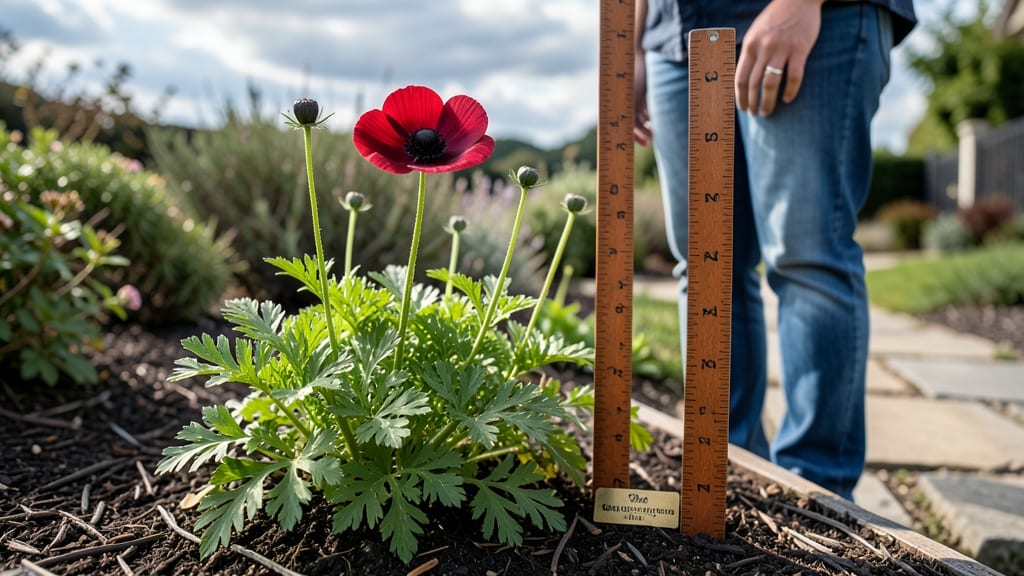
Anemone flowers grow anywhere from 8 inches to 4 feet tall, depending on the variety and growing conditions — a range that makes them perfect for borders, cut arrangements, or even dramatic back-of-the-bed accents.
If you're dreaming of adding dramatic, long-lasting blooms to your garden but aren’t sure which anemone varieties will fit your space, understanding their height ranges is key to planning the perfect floral display.
Some types, like the delicate windflower (Anemone coronaria), stay compact at just 12 inches, while others, such as the towering Japanese anemone (Anemone hupehensis), can reach 4 feet or more with proper care.
Below, I’ll break down the height differences by species, how sunlight and soil affect growth, and the best ways to encourage taller blooms without overcrowding your garden beds.


Anemone flower height ranges by variety: from dwarf to towering types
When planning your garden, knowing how tall anemone flowers grow helps you create stunning visual layers without overcrowding. Anemones range from delicate dwarf varieties perfect for borders to towering types that make bold statements in the back of beds.
Each species has unique growth habits, so let’s explore the height ranges and ideal spacing for popular types to help you design with confidence.
One of the most beloved anemones, Anemone coronaria (windflower), typically reaches 12 to 18 inches tall at maturity, making it ideal for cottage gardens or container displays. Meanwhile, Anemone hupehensis varieties can stretch up to 4 feet tall, providing dramatic vertical interest for late-season blooms.
Understanding these differences ensures you pair anemones with complementary plants for a balanced look.
Comparison table below breaks down the height ranges, ideal spacing, and best uses for 8 popular anemone varieties. Use this as your guide to mix heights and textures in your garden beds or containers.
| Variety | Height Range | Spacing (inches) | Best Uses |
|---|---|---|---|
| Anemone coronaria (Windflower) | 12–18 inches | 12–18 inches apart | Borders, containers, cut flowers |
| Anemone blanda (Greek Windflower) | 6–12 inches | 8–12 inches apart | Rock gardens, woodland edges |
| Anemone hupehensis 'Honorine Jobert' | 3–4 feet | 18–24 inches apart | Back of borders, cut flowers |
| Anemone japonica 'Pamina' | 2–3 feet | 18 inches apart | Shade gardens, woodland plantings |
| Anemone × hybrida 'September Charm' | 2.5–3.5 feet | 20–24 inches apart | Cut flowers, mixed borders |
| Anemone nemorosa (Wood Anemone) | 6–12 inches | 10–12 inches apart | Woodland gardens, naturalized areas |
| Anemone × lipskyana 'Robustissima' | 2–3 feet | 16–18 inches apart | Perennial borders, cut arrangements |
| Anemone × hybrida 'Queen Charlotte' | 3–4 feet | 20–24 inches apart | Dramatic backdrops, late-season blooms |
For dwarf anemones like Anemone blanda or Anemone nemorosa, plant them in clusters of 3–5 to create a lush, low-growing carpet. Their 6–12 inch height makes them perfect for filling gaps under taller perennials or along pathways.
In contrast, varieties like Anemone hupehensis need 18–24 inches of space to avoid competition and support their 3–4 foot stature.
When designing your garden, consider pairing tall anemones with shorter companions like heuchera or ferns to create visual balance. For example, place Anemone coronaria (12–18 inches) in front of Anemone hupehensis (3–4 feet) to build depth.
This layering technique ensures every plant gets the sunlight and airflow it needs while creating a dynamic, textured display.
If you’re growing anemones in containers, choose dwarf or semi-dwarf varieties to avoid overcrowding. A 12-inch tall anemone like Anemone blanda thrives in a 10–12 inch pot, while taller types may need 14–16 inch containers to accommodate their root systems.
Always use well-draining soil and ensure pots have drainage holes to prevent root rot, which can stunt growth.
Proper spacing and sunlight are critical for maximizing anemone height. Most varieties prefer partial shade (4–6 hours
How growing zones affect Anemone flower height and blooming seasons
Your USDA hardiness zone plays a crucial role in determining which anemone varieties thrive in your garden and how tall they'll grow.
Cold-hardy types like Japanese anemone (Anemone japonica) can reach heights of 3-4 feet in zones 4-9, while tender varieties like windflower (Anemone coronaria) may need winter protection in zones 7-9 or be grown as annuals in colder regions.
Understanding these differences helps you select the right plants for your climate and space.
In cooler zones (3-6), hardy perennials like Anemone hupehensis and Anemone tomentosa often grow taller—up to 4 feet—because they focus energy on establishing strong root systems before blooming.
Meanwhile, in warmer zones (7-9), some anemones may struggle with heat stress, resulting in shorter stems or delayed flowering unless given afternoon shade and consistent moisture.
| Zone Range | Best Varieties | Height Range | Bloom Season | Notes |
|---|---|---|---|---|
| 3-5 | Anemone hupehensis, A. tomentosa | 3-4 ft | Late summer-fall | Cold-hardy; mulch for winter |
| 6-7 | Anemone japonica, A. × hybrida | 2-3.5 ft | Fall | Thrives in partial shade |
| 8-9 | Anemone coronaria (annual), A. nemorosa | 1-2 ft | Spring/fall | Needs winter protection |
| Containers (7-9) | Dwarf varieties (A. blanda, A. × hybrida 'Honorine Jobert' | 8-18 in | Spring | Well-draining mix required |
In warmer climates (zones 8-9), anemones often enter dormancy during summer heat, which can reduce their height by up to 30% compared to cooler zones. To compensate, choose heat-tolerant cultivars like Anemone × hybrida 'Queen Charlotte' or grow them in containers with afternoon shade.
Container-grown anemones also allow you to move them indoors during extreme heat, preserving their vigor and blooming potential.
For gardeners in transition zones (6-7), where winters are mild but summers can be hot, focus on early-blooming varieties like Anemone × hybrida 'September Charm' to avoid summer stress. These plants typically reach 2-3 feet tall and bloom in late summer when temperatures begin to cool.
Pair them with tall grasses or perennials to create vertical interest without overpowering your garden layout.
If you're growing anemones in containers, expect slightly shorter heights—often 1-2 feet—due to root restriction. However, container culture lets you experiment with dwarf varieties like Anemone blanda*, which max out at 8-12 inches tall.
This makes them perfect for patios, balconies, or window boxes where space is limited. Just ensure your containers have drainage holes and use a light, airy potting mix to prevent root rot.
Regardless of your zone, proper pruning can influence height. Cut back faded stems to the ground in early spring for Japanese anemones to encourage bushier growth, while leaving seed heads on windflowers can slightly reduce next year’s height but adds winter interest.
With the right variety and care, anemones will reward you with dramatic blooms that anchor your garden’s seasonal transitions.