
Flowers
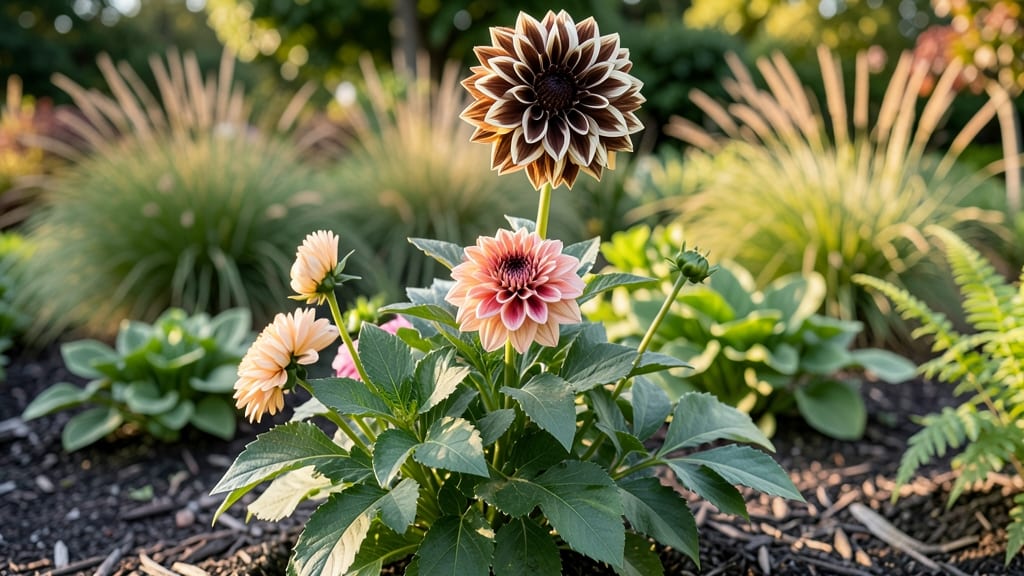
How tall do dahlia flowers grow? They range from 8 inches to a staggering 8 feet tall 🌸, depending on the variety you choose—so your garden’s vertical potential is limited only by your imagination (and your trellis supply).
Picture this: a dwarf dahlia peeking over a patio wall like a tiny, colorful sentinel, while a giant variety towers over you, its blooms at eye level when you’re standing on tiptoes.
The difference isn’t just about height—it’s about how you design your space, whether you’re tucking them into containers or letting them climb a 10-foot arbor.
But here’s the catch: most gardeners underestimate how much height dahlias can reach if left unchecked. Without proper pruning or support, even a medium-height variety can shoot up faster than you expect, leaving you scrambling for stakes or wishing you’d planted it closer to the fence.
The good news? With the right variety and a little planning, you can turn that vertical growth into a showstopping feature—or keep it compact for small spaces.
In this guide, I’ll break down the exact height ranges for dwarf, semi-dwarf, standard, and giant dahlias, plus the pruning secrets that let you control their size like a pro.
Whether you’re dreaming of a cut-flower garden or just want a few blooms to brighten up a corner, knowing your dahlias’ growth habits is the first step to getting the look you love.


Dahlia height ranges by variety type: from miniature to giant
When planning your dahlia garden, understanding height ranges is key to creating a balanced, visually stunning display. Dahlias aren't one-size-fits-all—they span from tiny tabletop varieties to 8-foot giants that rival small trees.
The variety you choose determines not just your garden's vertical impact but also maintenance needs, spacing requirements, and even bloom size.
Many gardeners mistakenly assume all dahlias grow tall, but this couldn't be further from the truth. Miniature varieties can fit perfectly in containers on patios, while giant dahlias need dedicated space and heavy-duty supports.
Knowing these height categories helps you avoid overcrowding, flopping stems, or wasted space in your landscape design.
Pro Tip: Always check the mature height label on seed packets or tuber tags, as even within categories, individual varieties can vary by 6-12 inches from their listed height.
| Variety Type | Height Range | Example Varieties | Ideal Planting Scenario |
|---|---|---|---|
| Dwarf | 8-18 inches | 'Mignonette,' 'Tom Thumb' | Containers, window boxes, fairy gardens |
| Semi-Dwarf | 1.5-3 feet | 'Café au Lait,' 'Bishop' | Front of borders, mixed containers |
| Standard | 3-5 feet | 'Karma Choc,' 'Café Noisette' | Mid-border planting, cut flower gardens |
| Tall | 5-7 feet | 'Thomas Edison,' 'Arabian Night' | Back of borders, trellises, focal points |
| Giant | 6-8 feet | 'Galaxy,' 'Black Narcissus' | Isolated planting, large containers, cut flower farms |
Let's start with the smallest dahlias—those under 2 feet tall. These dwarf varieties are perfect for gardeners with limited space or those who want to add color to patios, balconies, or windowsills.
Varieties like 'Mignonette' reach just 8-12 inches, making them ideal for container gardening or even hanging baskets.
For medium-height dahlias (2-4 feet), you get the best of both worlds: substantial blooms without overwhelming your garden. These varieties work beautifully in mixed borders or as cut flowers.
The 'Bishop' series, for example, produces 4-inch blooms on stems reaching 3 feet, perfect for adding height to foundation plantings.
When it comes to tall dahlias (5-7 feet), proper staking and support become essential. These varieties often produce heavy blooms that can topple without proper care. The 'Thomas Edison' variety, for instance, can reach 7 feet with 6-inch blooms—ideal for creating dramatic vertical accents in your garden.
A common misconception is that taller dahlias always mean bigger blooms. While some giant varieties do produce 10-inch flowers, others may have smaller flowers but more of them.
For example, 'Arabian Night' grows 6 feet tall but produces 4-inch blooms, while 'Black Narcissus' can reach 8 feet with 8-inch flowers.
For giant dahlias, think of them as the statement pieces of your garden. These varieties need 6+ feet of space and often require heavy-duty cages or individual stakes. The 'Galaxy' series, for example, can grow 7-8 feet tall and produces stunning 10-inch blooms in deep, rich colors.
Remember that height
How to control dahlia height naturally: pruning, staking, and support tips
Dahlias love to grow tall—some varieties reaching 6 to 8 feet—but their height can be managed to fit your garden’s design. Whether you want to encourage vertical growth for dramatic impact or limit height for container gardening, the right techniques make all the difference.
I’ll share my go-to methods for controlling dahlia height without chemicals or harsh pruning.
First, understand that dahlia height is influenced by genetics, sunlight, and care. Tall varieties like 'Thomas Edison' naturally grow 7+ feet with proper support, while dwarf types like 'Mignon' stay under 18 inches.
The key is working with your plant’s natural tendencies while guiding its growth direction through pruning, staking, and support systems.
🌱 Step-by-Step Guide to Controlling Dahlia Height
- 1 Choose the right support: Use cages (3-4 ft tall) for medium varieties or individual stakes (6-8 ft) for giants. Avoid flimsy supports—they bend under dahlia weight.
- 2 Prune strategically: Pinch back first buds when plants hit 12 inches to encourage bushier growth. For height control, cut back 1/3 of the stem above a leaf node to redirect energy.
- 3 Stake early: Insert stakes at planting (4-6 inches deep) to prevent root disturbance later. Tie stems loosely with soft garden twine to avoid cutting into the stem.
- 4 Fertilize wisely: Use a low-nitrogen fertilizer (5-10-10) to promote blooms over foliage. Over-fertilizing with nitrogen causes tall, leggy growth with fewer flowers.
- 5 Deadhead regularly: Remove spent blooms to prevent seed formation, which diverts energy from stem growth. This keeps plants focused on producing new flowers and stronger stems.
One common mistake I see is waiting too long to stake dahlias. Their stems can become top-heavy with blooms, causing them to flop. Always stake before the first buds open—even medium varieties need support by mid-summer.
For containers, choose dwarf or semi-dwarf varieties and use smaller cages (2-3 ft tall) to avoid crowding.
If your dahlia grows too tall for your space, don’t panic. You can prune back aggressively in early summer to reset growth. Cut stems down to 12-18 inches above the ground, and your plant will regrow with shorter, bushier stems.
Just be sure to leave at least 3-4 sets of leaves to support new growth.
For maximum height control, combine these techniques: stake early, prune regularly, and fertilize with a balanced bloom booster. With the right care, even tall dahlias can thrive in small gardens—just give them the support they deserve! 🌿