
Flowers
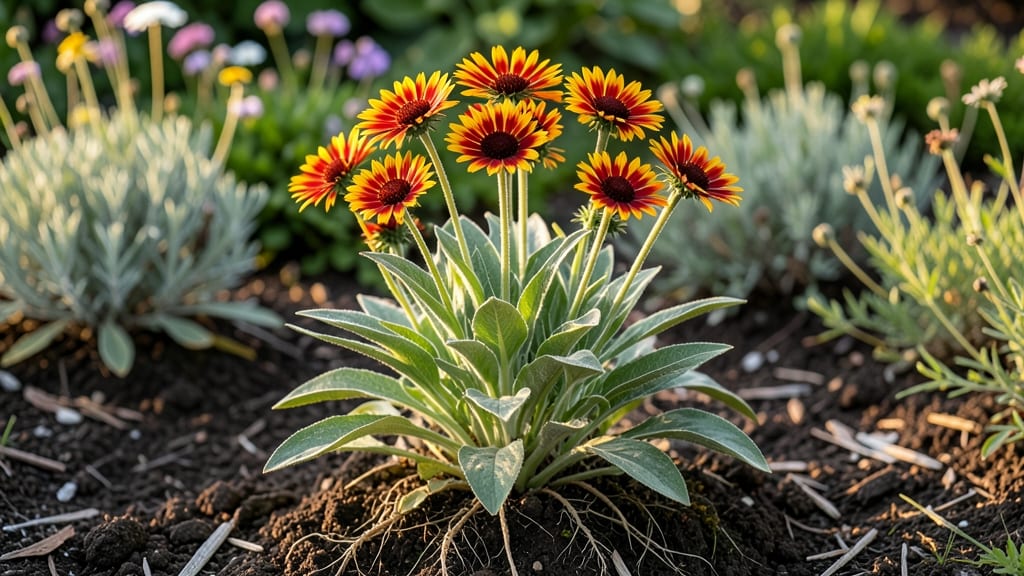
Blanket flowers grow anywhere from 1 to 4 feet tall, depending on the variety and growing conditions—but picking the right type for your space makes all the difference.
Picture this: a dwarf cultivar like 'Arizona Sun' stays neatly under 2 feet, perfect for containers or window boxes, while a standard type like 'Mesa Red' reaches 3 to 4 feet, ideal for borders or cut flower arrangements.
That’s a 2-foot height swing just by choosing the right plant!
Sunlight, soil, and spacing play a huge role too. Too much shade or crowded roots can stunt growth, while rich soil and full sun encourage those vibrant blooms to stretch toward the sky.
Below, I’ll break down how to pick the perfect variety for your garden and keep them thriving at the right height.
Whether you’re designing a pollinator-friendly meadow or adding a pop of color to a small patio, knowing these height ranges will help you plan for a showstopping display that lasts all summer.


Blanket flower height by variety: compact vs. tall growing types
Blanket flowers (Gaillardia) offer a stunning range of heights, from compact 1-foot wonders perfect for containers to towering 4-foot giants that anchor borders. The right variety can transform your garden's scale—whether you need a neat 12-inch accent or a bold 3-foot statement.
Understanding these differences helps you plan spacing, companion plants, and even deadheading strategies for each type.
Most blanket flowers fall between 1 and 4 feet tall at maturity, but the variation between cultivars is dramatic. Dwarf varieties like 'Arizona Sun' stay under 12 inches, while taller types like 'Fanfare' reach nearly 4 feet.
This height diversity lets you use blanket flowers in everything from window boxes to backyard meadows. Let's break down the most popular varieties and their growth habits.
Here's how to visualize their mature heights—each variety brings its own charm while fitting specific garden roles. For example, tall varieties provide vertical interest in mixed borders, while compact types spill beautifully over container edges. The key is matching the variety to your space and design goals.
The 'Goblin' variety is my go-to for fairy gardens or rockery designs—its 8-12 inch height fits perfectly in tiny spaces without overwhelming. Meanwhile, 'Fanfare' varieties bring drama to the back of borders, where their 3-foot stature creates a stunning vertical backdrop.
For container gardening, I swear by 'Arizona Sun'—it stays under 12 inches but packs a punch of color.
When choosing blanket flowers, consider not just height but also spread width. For example, 'Mesa Red' spreads 18-24 inches, making it ideal for ground cover in sunny areas.
Taller varieties like 'Fanfare' need 18-24 inches of clearance from other plants to avoid crowding. Proper spacing prevents disease spread and ensures each plant gets enough sunlight and airflow.
If you're growing blanket flowers in containers, dwarf varieties like 'Arizona Sunburst' thrive in 5-7 gallon pots with drainage holes. For ground planting, even tall varieties like 'Fanfare Lemon' do well in well-draining soil with 6+ hours of sun daily.
The key is matching the variety to both your space constraints and your design vision.
For cut flower arrangements
How growing conditions affect blanket flower height: sun, soil, and spacing tips
Blanket flowers (Gaillardia) thrive when given the right growing conditions, but their height can shift dramatically based on what you provide. Too little sun might stunt their growth, while heavy clay soil can lead to leggy, weak stems.
The good news? With a few simple adjustments, you can encourage your blanket flowers to reach their ideal height—whether that’s a compact 1-foot mound or a towering 4-foot border plant.
Sunlight is the biggest factor in determining how tall your blanket flowers will grow. These plants are sun-worshippers, craving at least 6-8 hours of direct sunlight daily. When planted in full sun, they’ll grow upright and sturdy, producing abundant blooms.
But if you place them in partial shade, expect them to stretch out and become leggy, often reaching heights beyond their typical range. For example, a 2-foot variety might grow 3 feet tall if deprived of sunlight.
🌼 Key Takeaway: Height Control Tips
- ✅ Full sun (6-8 hrs): Encourages compact, bushy growth (1-3 ft)
- ⚠️ Partial shade: Causes leggy stems (up to 4 ft tall)
- 🌱 Well-draining soil: Prevents root rot and supports sturdy stems
- 📏 Spacing (12-24 in apart): Reduces competition for nutrients
Soil type also plays a critical role in how tall your blanket flowers grow. These plants prefer well-draining soil with a slightly acidic to neutral pH (6.0-7.0). If your garden has heavy clay soil, the roots may struggle to absorb moisture, leading to slow growth and weaker stems.
To improve drainage, mix in compost or sand before planting. Amending the soil not only helps with height but also ensures your plants stay healthy and produce more blooms.
Proper spacing is another often-overlooked factor that affects height. When blanket flowers are crowded, they compete for nutrients and sunlight, which can stunt their growth or cause them to lean. For dwarf varieties, space plants 12 inches apart, while taller varieties need 18-24 inches of space.
This airflow also helps prevent fungal diseases, keeping your plants strong and upright. If you notice legginess in your taller varieties, try thinning them out to encourage bushier growth.
If your blanket flowers are already growing taller than expected, don’t worry—there are ways to manage their height naturally. Pinch back the tips of young plants to encourage branching and a fuller shape.
For established plants, you can prune them back by one-third after the first flush of blooms to promote a second round of flowers and prevent them from becoming too tall. This method works especially well for tall varieties like 'Arizona Sun,' which can reach 4 feet if left unchecked.
Remember, blanket flowers are incredibly adaptable, and with the right care, you can guide their growth to fit your garden’s needs.
Whether you want them to stay low for container gardens or reach for the sky in a border, understanding these growing conditions will help you achieve the perfect height for your space. Happy gardening! 🌻