
Watering
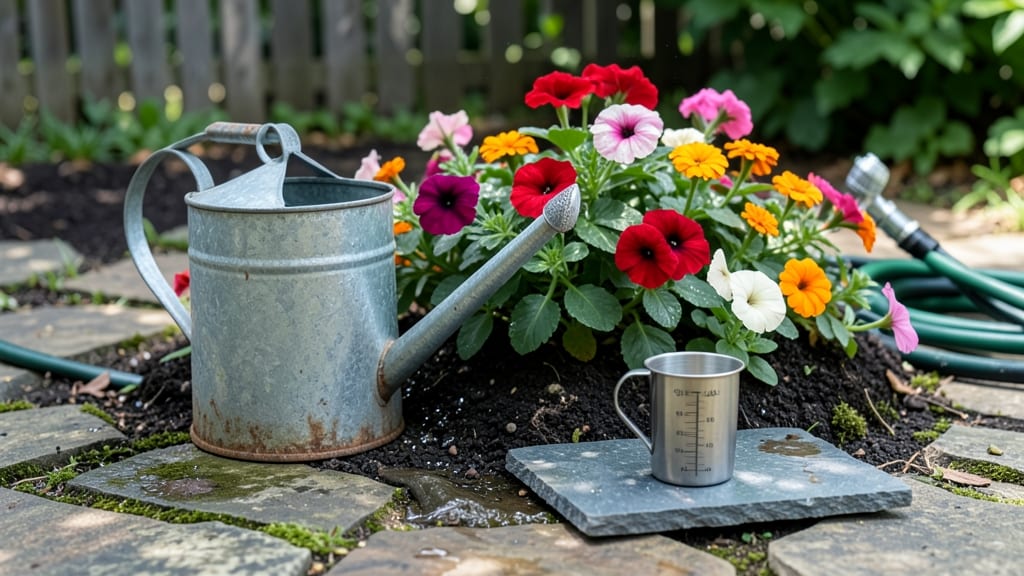
Overwatering or underwatering your outdoor flowers can kill them faster than pests—so knowing the exact watering schedule by plant type is your secret weapon for a thriving garden. 🌸
Most flowers need about 1 inch of water per week, but clay soil holds moisture longer than sandy soil, and a heatwave can dry out roots in 24 hours. The key? Checking soil moisture before you water.
Below, I break down the ideal watering schedule for common flowers, how to adjust for your climate, and the telltale signs you’re doing it wrong—so you can keep your blooms happy all season long.
Science-backed watering frequency for common outdoor flowers
Understanding how often to water flowers outside isn't just about keeping soil damp—it's about nurturing root health and drought resistance. Research shows that most gardeners overwater by 30% or more, leading to root rot and stunted growth.
The key? A schedule tailored to your plant type, soil conditions, and climate zone. Let’s break down the science-backed watering plans for your favorite blooms.
For example, roses and petunias crave consistent moisture, while lavender and succulents thrive on neglect. Even within the same species, watering needs shift with seasons—summer heat demands daily checks, while winter dormancy often requires bi-weekly watering.
Below, you’ll find a plant-by-plant guide to keep your garden lush without wasting a drop.
Pro Tip: Always water at the base of the plant, not overhead, to prevent fungal diseases like powdery mildew. Early morning is ideal—it gives foliage time to dry before evening humidity sets in.
| Plant Type | Watering Frequency | Soil Depth | Seasonal Adjustments |
|---|---|---|---|
| Roses | Every 2-3 days (deep soak) | 6-8 inches | Increase to daily in summer; reduce to weekly in winter |
| Petunias | Every 1-2 days (light to moderate) | 2-3 inches | Daily in extreme heat; skip in rain |
| Lavender | Every 7-10 days (drought-tolerant) | 4-6 inches | Reduce to bi-weekly in summer; minimal in winter |
| Marigolds | Every 3-4 days (moderate) | 3-4 inches | Daily in drought; weekly in rain |
| Sunflowers | Every 2-3 days (deep water) | 8-10 inches | Increase to daily in bloom season |
Notice how lavender and sunflowers require deep watering less frequently, while petunias need shallow but frequent hydration? This difference stems from their root structures. Petunias have shallow roots that dry out quickly, while lavender’s deep roots store moisture efficiently.
Always water until the soil is moist 6 inches down—this ensures roots grow deeper and stronger.
Your climate zone plays a huge role too. In USDA Zone 5 or colder, watering needs drop dramatically in winter. But in Zones 8-10, even winter watering might be necessary.
Use a moisture meter ($10 at garden centers) to avoid guesswork—stick it in the soil, and if it reads below 40% moisture, it’s time to water.
One mistake I see often? Watering based on a fixed schedule rather than soil conditions. Instead, check soil moisture by hand: Grab a handful of dirt.
If it crumbles easily, hold off. If it sticks together, it’s time to water. This method works for 90% of gardeners and eliminates overwatering risks.
For container-grown flowers, the rules change. Pots dry out 3x faster than in-ground soil, so water daily in summer. Add mulch (straw or shredded leaves) to retain moisture and reduce evaporation. Even 1 inch of mulch
How to adjust your watering schedule for soil and weather
Your flowers need water, but the frequency depends on more than just the calendar—your soil type and current weather play huge roles. Sandy soil drains fast, while clay holds moisture longer.
Plus, a 90°F heatwave changes everything. Let’s break down how to tweak your schedule like a pro, so your roses, petunias, and lavender thrive without guesswork.
Start by testing your soil moisture. Stick your finger 1-2 inches deep—if it feels dry, it’s time to water. For sandy soil, you might water daily in summer, while clay soil could go 3-4 days between waterings.
Rainfall also shifts the game: after ½ inch of rain, skip your next scheduled watering. Use a rain gauge or free weather apps to track precipitation accurately.
⚠️ callout warning ⚠️
⚠️ Overwatering Kills Faster Than Drought!
Signs you’re overwatering: Yellow leaves, moldy soil, roots smelling rotten. Fix it: Let soil dry between waterings, improve drainage with compost.
💧 Pro Tip: Water deeply (6 inches) but less often—this encourages deep root growth.
Extreme heat demands extra attention. When temperatures hit 85°F+, increase watering by 30-50%—but water in the early morning to prevent evaporation and fungal diseases. Mulch around your plants to retain moisture and regulate soil temperature.
For container flowers, check soil moisture daily, as pots dry out faster than in-ground beds.
Adjust for seasonal shifts too. In spring, water lightly to encourage root growth, while summer calls for deep, infrequent watering. Fall slows plant activity, so reduce watering to every 5-7 days.
Winter? Almost no watering unless you’re in a frost-free zone—most flowers enter dormancy and need minimal moisture.
Use the finger test and weight check for containers: lift a pot—if it feels light, water it. For in-ground plants, a soil moisture meter (or a wooden skewer) reveals hidden dryness. Pair this with a drip irrigation system for consistent moisture, especially for heat-loving flowers like marigolds or zinnias.
Remember: consistency is key. Stick to your adjusted schedule, and your flowers will reward you with vibrant blooms all season long. Start with these tweaks, and soon you’ll master the art of weather-smart watering—no more wilting surprises! 🌸