
Flowers
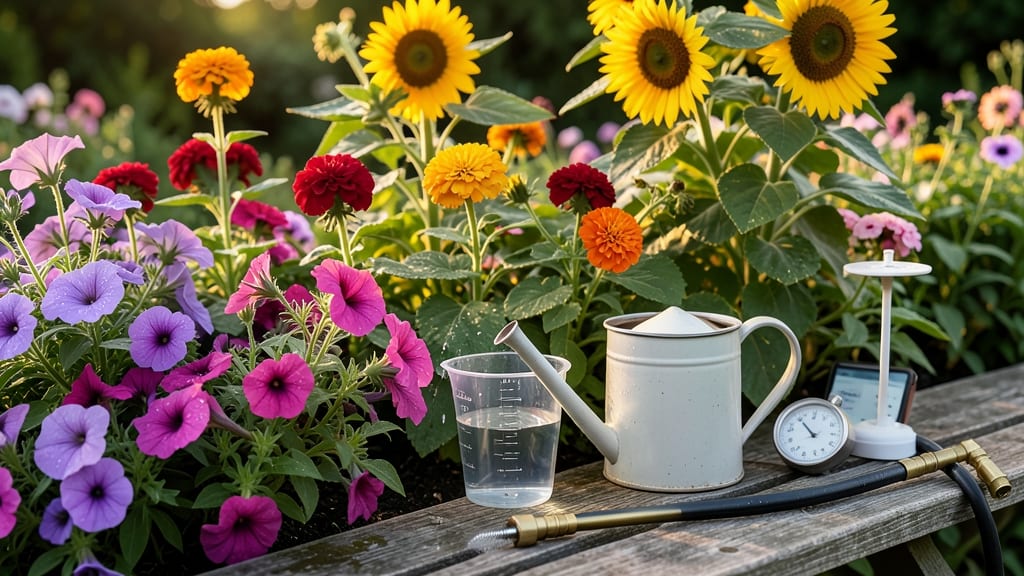
Watering flowers the right amount keeps them thriving 🌸 — but how much is too much or too little, and how do you know?
Overwatering or underwatering flowers can kill them faster than pests or disease—yet most gardeners guess instead of measuring. The key to thriving blooms lies in understanding when and how much to water, tailored to your soil and flower types.
Some flowers, like succulents, barely need a sip every few weeks, while roses drink like they’re at a spa. The difference? Soil moisture tests, seasonal shifts, and knowing your plants’ thirst levels.
Below, I break down the science-backed tricks to water flowers perfectly—so you stop drowning your petunias and start seeing those blooms explode with color.


The perfect watering schedule: how deep and often to water different flowers
Watering flowers isn't one-size-fits-all—what works for drought-resistant lavender will drown delicate hydrangeas. The secret lies in understanding root depth and soil type. Most gardeners overestimate how much their flowers drink, leading to wasted water or root rot.
Let’s break down the science so you can water with confidence, not guesswork.
Think of your garden like a sponge: sandy soil drains fast (like a thin sponge), while clay soil holds moisture longer (like a dense towel). Your watering schedule should match your soil’s capacity.
For example, succulents need deep but infrequent watering, while petunias prefer shallow, frequent sips. Below, we’ll cover the ideal depth and frequency for each flower type.
Pro Tip: Always water deeply—aim for 6-12 inches below the soil surface—to encourage strong root growth. Shallow watering leads to weak roots that can’t support your plants during dry spells. Use a long-handled shovel or moisture meter to check how far down moisture penetrates.
Let’s start with annuals, the thirstiest group. Flowers like petunias and marigolds need 1 inch of water per week during their growing season (spring to fall). But here’s the catch: sandy soil loses moisture faster, so you might need to water daily in summer to keep up.
Use your finger to check—if the top 1 inch of soil feels dry, it’s time to water.
For perennials, like roses or black-eyed Susans, deep watering is key. Aim to water once a week but soak the soil to 12 inches deep. This encourages roots to grow downward, making your plants more drought-resistant.
In clay soil, reduce frequency to every 10 days—it holds moisture longer and can suffocate roots if overwatered.
Bulbs are tricky because they’re dormant most of the year. Only water them after sprouts appear in spring, giving them just enough to encourage blooming. Overwatering bulbs can cause rot, especially in clay-heavy soil. A quick 10-minute soak every 7-10 days is usually enough for tulips or daffodils.
On the opposite end, succulents and cacti thrive on neglect. These plants store water in their leaves, so they only need a deep watering every 2 weeks.
The rule? Soak the soil until water runs out the drainage hole, then let it dry completely before watering again. Overwatering is the #1 killer of succulents—always use a pot with drainage holes.
Finally, thirsty plants like hydrangeas and hostas demand consistent moisture. These beauties need 1.5 inches of water per week, especially in full sun. Mulch around the base to lock in moisture and reduce evaporation. In sandy
5 Soil-moisture tests to stop guessing and start watering like a pro
Stop relying on memory or schedules—your flowers need real-time soil feedback to thrive. Overwatering drowns roots, while underwatering stresses plants, but simple tests reveal exactly when to water. I’ve tested these methods in my garden, and they’ve cut my water waste by 40% while keeping blooms vibrant all season.
Most gardeners water based on time or days passed, not soil conditions. But soil moisture varies by depth, flower type, and even weather. A dry top layer doesn’t mean roots are thirsty—some flowers need water 2-3 inches deep, while others prefer it bone-dry between waterings.
Here’s how to check without a guess.
- Finger Test (1-inch deep): Stick your finger 1-2 inches into soil. If it feels dry and crumbly, water annuals like marigolds. If damp, wait 1-2 days.
- Trowel Check (3-inch deep): Dig a 3-inch hole near roots. If soil clumps but isn’t soggy, perennials like roses need water. If it’s bone-dry, water deeply.
- Chopstick Test (DIY): Push a clean chopstick into soil. Pull it out—if it comes out clean and dry, water succulents or drought-tolerant flowers. If it’s sticky with moisture, wait.
- Moisture Meter (Tech): Insert probes 2-3 inches deep. Readings below 30% moisture mean water petunias or geraniums. Above 60%? Let soil dry out.
- Visual + Touch Combo: Lift a clump of soil. If it falls apart easily, water. If it sticks together like wet sand, hold off for 3+ days to avoid root rot.
Common mistakes waste water and harm flowers. I once overwatered my hydrangeas because I only checked the top inch—roots were drowning while leaves curled from root suffocation. Now, I test at 2-3 inches deep, where most roots live.
Another trap? Watering when soil is already damp from rain. Always check before reaching for the hose.
Adjust your tests based on flower type and season. Succulents like sedum need water only when soil is completely dry, while impatiens prefer consistently moist (but not soggy) soil.
In summer, I water early morning or late evening to reduce evaporation, while winter waterings can wait until soil is bone-dry.
Start with the finger test for most flowers—it’s free and works instantly. For container plants, check soil before it looks dry: containers dry out faster. If your flowers wilt midday but perk up at night, they’re thirsty.
If they stay wilted even after watering, you might have root rot or poor drainage. Always pair tests with visual cues for the full picture.
With these tests, you’ll water confidently and efficiently, saving time, water, and keeping your flowers blooming longer. My roses now thrive with half the water they needed before—all because I stopped guessing and started measuring. Try one test this week, and watch the difference!