
Flowers
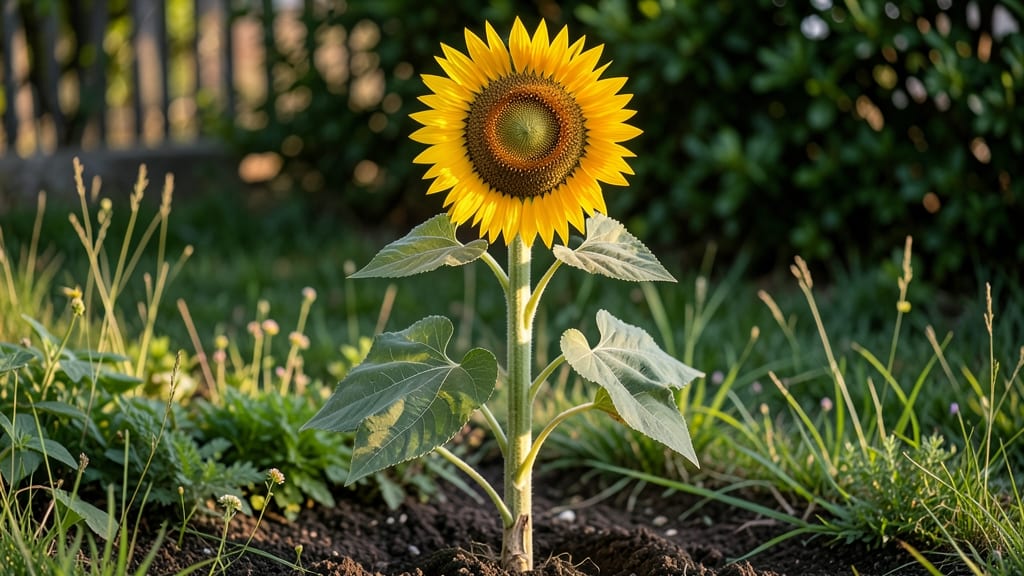
Growing mammoth sunflowers from seed to their towering 12-foot glory takes about 90 to 120 days—longer than you might expect for plants that seem to shoot up overnight.
If you’ve ever dreamed of towering sunflowers that reach 12 feet or more, you’re not alone—these giants are a gardener’s showstopper.
But before you plant, here’s the critical question: How long does it really take for these giants to grow from a tiny seed to a sun-drenched spectacle? The answer isn’t just about days—it’s about patience, the right conditions, and knowing when to step in to speed things along.
Most gardeners underestimate how much time the early stages take. Those first 10 to 14 days after planting are all about germination, where warmth and moisture play the biggest roles. Skip the right soil prep, and you’ll be waiting weeks longer for those first green shoots to appear.
Once they’re up, though, the real magic happens. With 6 to 8 hours of sunlight daily and consistent watering, your Mammoth sunflower 🌻 could hit 6 feet by mid-summer—but the final stretch to full bloom is where many gardeners trip up.
I’ll walk you through the exact timeline, the stages you can’t miss, and how to shave weeks off the process without sacrificing those iconic towering blooms.


Mammoth sunflower growth timeline: exact weeks to full bloom
Growing Mammoth sunflowers from seed to their 12-foot glory is a rewarding journey, but timing is everything. These giants don’t rush—expect a 10-12 week timeline from germination to full bloom under ideal conditions.
That said, with the right care, you can shave off weeks and watch your sunflowers reach for the sky faster than you’d imagine!
Let’s break it down week by week, so you know exactly what to expect at each stage. From the first seedling sprouts to the moment your sunflower buds burst into full bloom, understanding these milestones will help you optimize growth and troubleshoot delays before they happen.
Here’s the exact growth timeline for Mammoth sunflowers, including critical actions to keep your plants on track:
At Week 1-2, your seeds need warm soil (70°F or warmer) to germinate. I’ve found that using a seedling heat mat can cut germination time by 2-3 days if your climate is cool. Keep the soil consistently moist—dryness at this stage can kill seedlings before they sprout.
By Week 3, your tiny seedlings will emerge, and this is when you’ll need to thin them. Crowding stresses plants and slows growth, so space them 6 inches apart initially.
If you’re in a cooler climate, consider using black plastic mulch to speed up soil warming and give your seedlings a head start.
The most exciting phase happens between Weeks 4-5, when your sunflowers start their vertical growth spurt. This is where they can grow 1-2 inches per day if conditions are perfect.
To support their rapid ascent, I recommend installing stakes or cages early—once they’re 3 feet tall, they can become top-heavy and prone to snapping in wind.
Around Week 6-7, you’ll spot the first bud formation, a sure sign your sunflowers are maturing. This is also the time to adjust your watering. Overwatering now can cause bud rot, so let the top inch of soil dry out slightly between waterings.
A balanced fertilizer (like 10-10-10) applied lightly can boost bud development without overstimulating foliage growth.
The grand finale arrives at Weeks 8-10, when your Mammoth sunflowers reach their full 10-14 foot height and burst into bloom. This is the moment you’ve been waiting for, and it’s a sight to behold!
If you’re growing for seeds, wait until the back of the petals turns brown before harvesting. For cut flowers, harvest in the morning when buds are just starting to open.
After blooming, your sunflowers may produce secondary blooms if you deadhead the spent flowers. This can extend your harvest season by 2-4 weeks, giving you more time to enjoy their beauty or collect seeds for next year.
Don’t forget to save some seeds—they’re a free, organic way to grow Mammoth sunflowers year after year!
Understanding this timeline helps you plan ahead, whether you’re coordinating with pollinators, scheduling harvests, or simply marveling at nature’s pace. With patience and the right care, your Mammoth sunflowers will reward you with a sun-drenched masterpiece that’s the talk of the neighborhood.
5 Factors that speed up or slow down Mammoth sunflower growth
Mammoth sunflowers are patient plants—they need time to grow those 12-foot stems and giant blooms. But some factors can double their growth speed, while others leave them struggling.
The good news? You control most of these variables. Let’s break down the top 5 factors that make or break your Mammoth sunflower’s timeline.
Understanding these factors helps you optimize growth and avoid common pitfalls. For example, poor soil can delay flowering by 3-4 weeks, while ideal sunlight can shave off 2 weeks from the timeline.
Let’s dive into how each impacts your sunflowers—and what you can do to give them the best shot at reaching their towering potential.
🌱 Numbered Highlights: Growth Speed Factors
- 🌱 Soil Quality: Rich, well-draining soil with compost speeds up growth by 20%. Test pH—ideal range is 6.0-7.0. Compacted or poor soil slows root development, delaying flowering by 3-4 weeks.
- ☀️ Sunlight Exposure: 6-8+ hours of direct sun is non-negotiable. Partial shade reduces stem strength and cuts bloom time by 2 weeks. South-facing spots are ideal in the Northern Hemisphere.
- 💧 Watering Schedule: Deep watering every 3-5 days (1 inch per week) prevents stress. Overwatering causes root rot, while underwatering stunts growth. Morning watering reduces fungal risks and boosts photosynthesis.
- 🌡️ Temperature Ranges: Ideal temps: 70-85°F. Below 50°F, growth stalls. Above 90°F, blooms may wilt faster. Use row covers for early spring planting to extend the growing season.
- 📏 Plant Spacing: 18-24 inches apart prevents competition. Crowding reduces stem strength and delays flowering by 1-2 weeks. Thin seedlings early to avoid overcrowding—stronger stems = faster growth.
Let’s start with the foundation: soil quality. Mammoth sunflowers are heavy feeders, and nutrient-poor soil is their worst enemy. I always amend my garden beds with compost or aged manure before planting.
This ensures they have the phosphorus and potassium needed for rapid stem elongation. A quick soil test can reveal deficiencies—fixing them early saves weeks of slow growth.
Next up: sunlight exposure. These sunflowers live up to their name—they crave full sun. If your garden gets less than 6 hours of direct sunlight, your Mammoths will stretch weakly and bloom late.
I’ve seen sunflowers in partial shade take 4 weeks longer to reach maturity. If your yard lacks sun, consider reflective surfaces (like white walls) to bounce extra light onto your plants.
Watering is another make-or-break factor. Mammoth sunflowers need consistent moisture, but waterlogged soil is just as bad as drought. I water mine deeply every 3-5 days, ensuring the soil is moist 6 inches down.
A drip irrigation system works best—it delivers water slowly and evenly, preventing stress. Avoid overhead watering at night to reduce fungal diseases like powdery mildew.
Temperature plays a surprising role in growth speed. Mammoth sunflowers thrive in warm weather, but cool nights slow them down. If you’re planting early in spring, use black plastic mulch to warm the soil and speed up germination.
In hot climates, shade cloth during peak afternoon sun can prevent wilting and protect blooms from fading too quickly.
Finally, plant spacing is often overlooked but critical. Crowded sunflowers compete for nutrients, leading to weak stems and smaller blooms. I always thin seedlings to 18-24 inches apart as soon as they’re 4 inches tall.
This gives each plant room to grow strong and reach their full height without struggling.
By mastering these 5 factors, you’ll cut weeks off your Mammoth sunflowers’ growth timeline. The result? Taller stems, bigger blooms, and faster rewards for your gardening efforts. Now, go forth and grow those giants!