
How To
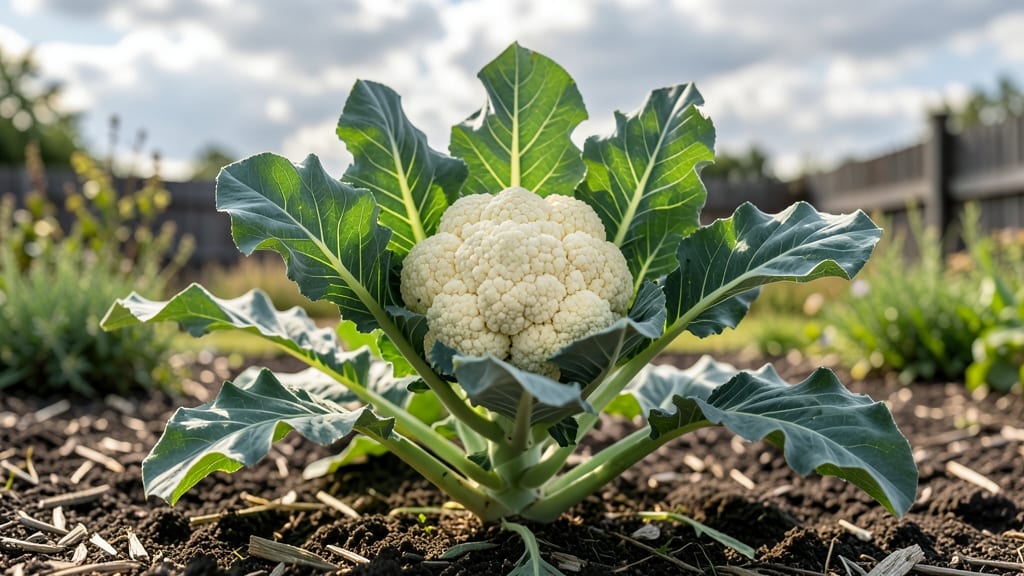
Cauliflower heads grow anywhere from 4 to 12 inches wide at maturity, depending on the variety you plant 🥬 — and yes, that tiny seedling you started indoors can turn into a dinner-plate-sized head if you give it the right care.
If you’ve ever stared at a 6-inch head wondering whether it’s ready to harvest or just needs more time, you’re not alone. The size isn’t just about aesthetics—it’s the key to knowing when to pick for the best flavor and texture.
From compact mini varieties perfect for snacking to heirloom giants that can feed a crowd, understanding cauliflower size helps you plan your garden layout, spacing, and even companion plants for a thriving harvest.
Below, I’ll break down the exact sizes by variety, how to tell when your heads are ready, and simple tricks to grow bigger, better cauliflower—no green thumb required.
Cauliflower head sizes by variety: from mini to giant
Choosing the right cauliflower variety can make all the difference in your garden layout and harvest yields. Some varieties produce tiny 4-inch heads perfect for containers, while others grow massive 12-inch giants that feed a family. Understanding these size differences helps you plan spacing, companion plants, and even storage solutions.
For example, dwarf varieties like 'Purple of Sicily' stay compact, making them ideal for small gardens or urban balconies. On the other end, heirlooms like 'Romanesco' can produce football-sized heads that require more elbow room.
Let’s break down the most popular types and their mature sizes to help you pick the perfect fit for your space.
🌱
| Variety | Head Size | Mature Height | Best For |
|---|---|---|---|
| Snowball Y Improves | 6–8 inches | 18–24 inches | Containers, small gardens |
| Purple of Sicily | 4–6 inches | 12–18 inches | Urban gardens, salads |
| Cheddar | 8–10 inches | 20–24 inches | Family harvests, roasting |
| Romanesco | 10–12 inches | 24–30 inches | Heirloom gardens, large families |
| Graffiti | 6–8 inches (multi-colored) | 18–22 inches | Decorative gardens, salads |
| White Magic | 10–12 inches | 22–28 inches | Cold climates, late harvests |
If you’re growing cauliflower for containers, prioritize dwarf varieties like 'Snowball Y Improves' or 'Purple of Sicily'. These stay under 18 inches tall and produce heads small enough to fit in 5-gallon pots. Their compact size also makes them easier to protect from pests and harsh weather.
For large-scale harvests, consider 'Romanesco' or 'White Magic'. These varieties can produce heads the size of a football, but they need 18–24 inches of spacing between plants.
If you’re short on space, opt for 'Cheddar', which balances size and yield with 8–10 inch heads on 20-inch plants.
🌿
Colorful varieties like 'Graffiti' add visual interest to your garden while delivering 6–8 inch heads perfect for salads or stir-fries. Their vibrant hues make them a favorite for cutting gardens or decorative harvests.
Just remember, their unique colors come from genetic traits that may slightly reduce head size compared to traditional white varieties.
When planning your garden, account for plant maturity and head size together. A 12-inch head on a 24-inch plant needs more room than a 6-inch head on a 12-inch dwarf.
Use these size guidelines to map out your rows and ensure each variety has the space it needs to thrive.
Pro tip: If you’re growing multiple varieties, plant dwarf types first along the edges of your garden beds. This maximizes space efficiency while keeping larger varieties in the center where they have room to spread.
✂️
When to harvest cauliflower for optimal size and taste
Harvesting cauliflower at the right time ensures you get the perfect balance of size and flavor. A head that's too small means wasted effort, while waiting too long results in yellowing, bitter curds or even premature bolting.
The ideal harvest window typically falls between 50-80 days after transplanting, depending on your variety and growing conditions.
To determine when your cauliflower is ready, focus on three key indicators: head firmness, color, and leaf health. A mature head should feel solid and compact when gently squeezed, with tightly packed curds that haven't started to loosen.
The outer leaves should remain vibrant green, not yellowing or browning—a clear sign it's time to harvest.
Here’s how to identify the perfect harvest window with these visual and tactile cues:
- Head Size: Aim for 6-12 inches in diameter (varies by variety). Dwarf types like 'Purple of Sicily' stay small (4-6 inches), while heirlooms like 'Romanesco' can reach 12+ inches.
- Curds Color: White or cream for standard varieties; pale green, purple, or orange for heirlooms. Avoid heads with yellow or brown spots, which signal overmaturity.
- Texture Test: Press the head gently—it should feel firm like a baseball. If it’s soft or crumbly, it’s past its prime. Loose curds mean it’s already bolting.
- Leaf Health: Outer leaves should stay green and crisp. Browning or wilting leaves indicate the plant is stressed or overripe.
- Environmental Cues: Harvest on cool, cloudy days to reduce stress. If your region hits 85°F+ temperatures, heads may bolt prematurely—act fast!
One common mistake is waiting too long for "bigger is better." While giant cauliflower heads might look impressive, they often sacrifice flavor and texture. Overgrown heads develop woody stems and bitter curds, making them less enjoyable. For the best taste, prioritize compact, tight heads over size.
If your cauliflower starts to bolt (send up a flower stalk), it’s a sign of stress—likely from heat, drought, or poor soil. To prevent this, plant in cool weather (50-75°F), water consistently, and use shade cloth in hot climates.
Once bolting occurs, the head will quickly turn yellow and inedible, so monitor your plants closely.
Pro tip: For continuous harvests, plant successive crops every 2-3 weeks in spring and fall. This ensures you always have fresh, optimally sized cauliflower ready for the table. With the right timing, you’ll enjoy sweet, tender curds all season long! 🥬