
Flowers
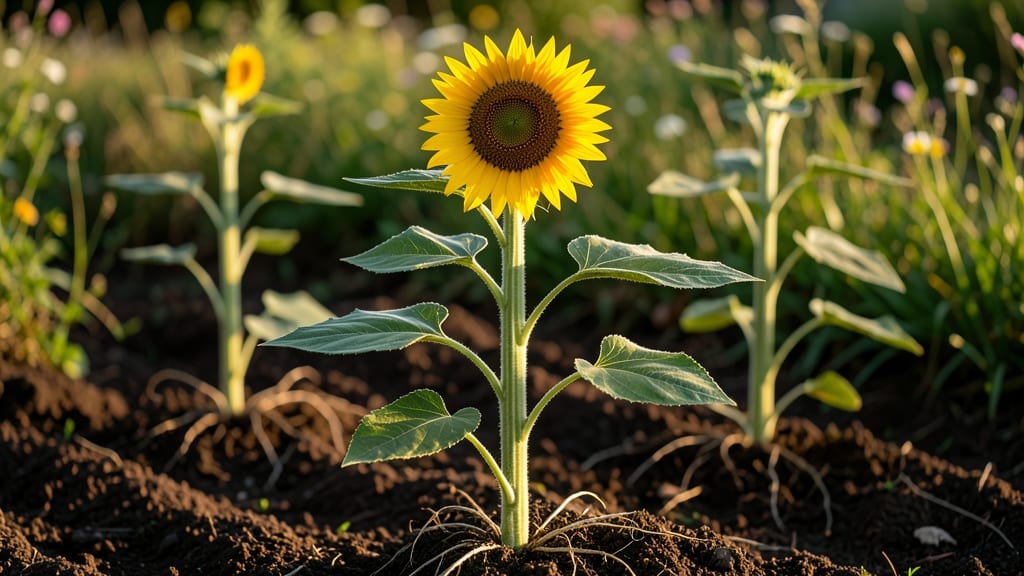
Sunflowers can grow anywhere from 1 foot to over 14 feet tall, depending on the variety you choose—some stay small enough for containers while others reach skyscraper heights in your garden.
Ever wondered how a single seed could produce a plant that either fits in a pot or stretches taller than you? The answer lies in the variety, sunlight, and soil, all working together to determine whether your 🌻 sunflowers will be dwarf, mid-size, or towering giants.
If you’re dreaming of dramatic backyard blooms or space-saving balcony flowers, knowing the right variety and care tips is key. Some sunflowers stay under 3 feet, perfect for small spaces, while others can soar past 10 feet, making them a statement piece in any garden.
Below, I’ll break down the height ranges, the factors that influence growth, and how to pick the perfect sunflower for your space—whether you want cut flowers, bird feeders, or edible seeds.


Sunflower height guide: from dwarf varieties to towering giants
Sunflowers are one of nature’s most dramatic plants—some stay small enough for container gardens, while others can reach heights that dwarf even the tallest gardeners. The mature height of a sunflower depends entirely on its variety, with differences ranging from 1-foot dwarfs to 14-foot giants.
Choosing the right type for your space ensures you get the perfect mix of beauty, function, and manageability.
For gardeners with limited space, dwarf sunflowers (1–3 ft tall) are ideal for balconies or windowsills. Meanwhile, giant varieties (8–14+ ft) make stunning focal points in large gardens or even as natural trellises.
Understanding these size categories helps you plan spacing, support structures, and even harvest strategies for seeds or cut flowers.
If you’re growing dwarf sunflowers like 'Teddy Bear' or 'Moulin Rouge,' expect heights between 1 and 3 feet, making them perfect for urban gardens or even indoor growing.
These varieties bloom quickly (in about 60–70 days) and produce small, cheerful flowers that attract bees and butterflies. Their compact size also means they require minimal staking.
For mid-size varieties (3–6 ft), think of classics like 'Autumn Beauty' or 'ProCut,' which strike a balance between manageable height and dramatic impact. These work beautifully in flower arrangements and provide ample seeds for birds. They typically reach maturity in 70–80 days, giving you a longer window for harvesting.
When it comes to giant sunflowers, varieties like 'Russian Giant' or 'Mammoth' can grow 10–14 feet tall—taller than most people! These are best suited for open spaces where they can spread their roots and support their massive stature.
They require sturdy stakes or cages and take 90–120 days to mature, but the payoff is stunning oversized blooms and abundant seeds.
One common misconception is that all sunflowers need the same care, but height directly impacts their needs. Taller varieties often require deeper, richer soil and more frequent watering to support their height.
Dwarf sunflowers, on the other hand, thrive in well-draining containers with minimal maintenance. Always check the specific variety’s requirements before planting.
For container gardening, choose dwarf varieties like 'Pocket Sun' or 'Sunspot,' which stay under 2 feet tall. These are ideal for balconies or patios and can even be grown in 5-gallon buckets.
Just ensure the container has drainage holes and provide daily sunlight to encourage healthy growth. Their smaller size also makes them easier to harvest and enjoy indoors.
If you’re aiming for cut flowers or bird feeders, mid-size to standard varieties are your best bet. They offer a longer vase life and produce enough seeds to feed local wildlife without overwhelming your garden space.
For example, 'ProCut' sunflowers are bred specifically for long stems and durability, making them a favorite among florists.
Remember, even within a height category, individual plants can vary by 1–2 feet based on growing conditions. Providing consistent moisture, nutrient-rich soil, and full sunlight will help your sunflowers reach their full potential.
With the right variety and care, you can grow sunflowers that fit perfectly in your garden—whether you want a whimsical dwarf or a stately giant.
What determines sunflower size? Key factors for controlling growth
Sunflower height isn’t just a matter of luck—it’s a mix of genetics, environmental factors, and the care you provide. Even within the same variety, a sunflower can grow 30% taller with optimal conditions or stay stunted if neglected.
Let’s explore the key elements that shape your sunflowers’ size, so you can tailor their growth to your garden’s needs.
First, genetics play the biggest role. Dwarf varieties like 'Teddy Bear' max out at 2–3 feet, while giants like 'Russian Giant' can reach 12–16 feet under perfect conditions. But even the tallest sunflowers need the right sunlight exposure—at least 6–8 hours daily—to reach their full potential.
Without enough light, they’ll grow leggy and weak, often 50% shorter than expected.
- Genetics: Choose dwarf (1–3 ft), mid-size (3–6 ft), or giant (8–16 ft) varieties based on your space.
- Sunlight: 6+ hours daily maximizes growth; less than 4 hours stunts height by up to 50%.
- Soil Nutrients: Phosphorus-rich soil boosts stem strength; nitrogen excess causes weak, floppy stems.
- Spacing: Crowded plants compete for nutrients, reducing height by 20–30%—space giants 2–3 ft apart.
- Pruning: Pinch back top buds early to encourage bushier growth (shorter but wider plants).
- Watering: Deep watering 2x/week supports tall growth; drought stress shrinks stems by 15–25%.
- Support: Stake tall varieties to prevent bending, which can reduce height by 30%.
Next, soil nutrients directly impact stem strength and height. Sunflowers thrive in well-draining, slightly acidic soil (pH 6.0–7.0). A phosphorus boost (like bone meal) helps roots anchor deep, while too much nitrogen can lead to lush foliage but weak, top-heavy stems that snap easily.
For maximum height, amend your soil with compost or a balanced 10-10-10 fertilizer before planting.
Don’t overlook spacing—it’s a game-changer for tall varieties. When sunflowers are too close together, they compete for nutrients and sunlight, often growing 20–30% shorter than their potential. Space dwarf varieties 12–18 inches apart, mid-size types 2–3 feet apart, and giant sunflowers 3–4 feet apart.
This ensures each plant has room to develop a strong, upright stem.
If you’re growing sunflowers for cut flowers or bird feeders and want to control their height, try pruning techniques. Pinch off the top bud when the plant is 6–12 inches tall to encourage side shoots.
This creates a bushier, shorter plant (ideal for containers) while still producing multiple blooms. For taller stems, avoid pruning—let them grow naturally and provide stakes or cages for support.
Finally, watering habits can make or break your sunflowers’ height. Deep, consistent watering (1–2 inches per week) keeps stems firm and straight. If your plants experience drought stress, their growth can slow by 15–25%, and stems may become woody and brittle.
Water in the morning to reduce fungal risks, and mulch around the base to retain moisture and regulate soil temperature.
With these factors in mind, you can maximize or minimize sunflower height to fit your garden’s vision—whether you’re dreaming of a backyard skyscraper or a container-friendly pollinator magnet. Experiment with varieties and care techniques to find the perfect balance for your space! 🌻