
Vegetables
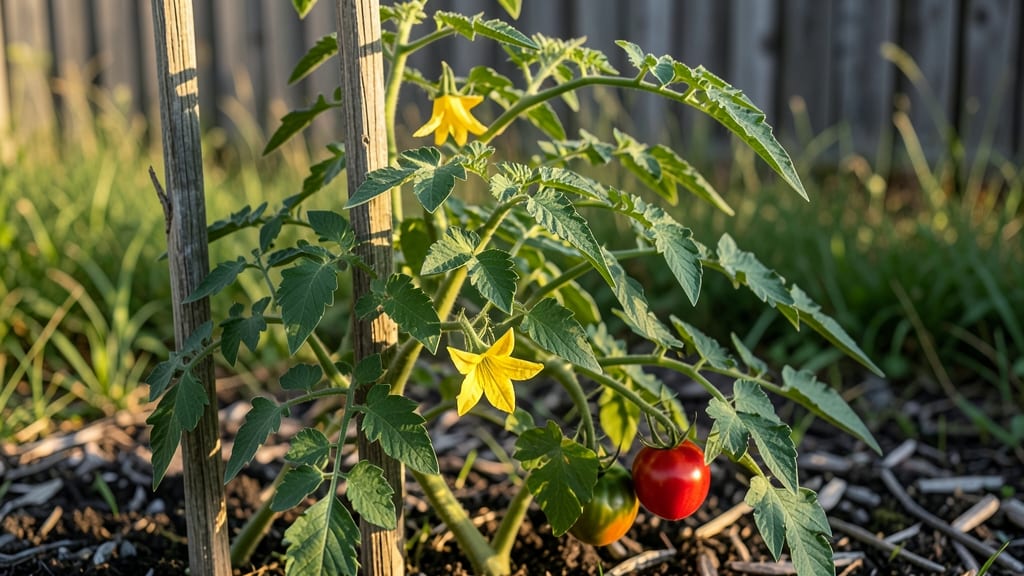
Growing the heirloom tomato inside isn't just possible—it's the secret to year-round vines with fruit that tastes like summer, no matter the season outside.
I've been coaxing these sun-loving plants to thrive in my dim apartment, and the key isn't fancy equipment but matching their needs to what they naturally crave. The right varieties, a little light magic, and a steady hand make all the difference.
Start with compact, determinate varieties like 'Tiny Tim' or 'Patio Princess'—they stay manageable in containers and produce fruit without sprawling everywhere. A 5-gallon pot with drainage holes gives roots room to stretch, while a grow light (or south-facing window) mimics that golden 12-14 hours of daylight tomatoes love.
The soil? Keep it rich, well-draining, and slightly moist—never soggy, or you'll invite root rot to crash your party.
By month three, you'll be harvesting tomatoes that rival your summer garden, their flavors bursting with the complexity you can't find in store-bought varieties.
The trick is gentle pruning to focus energy on fruit production and hand-pollinating with a paintbrush when flowers appear—no bees means no accidental pollination, but a little human help keeps the process going. Even my black thumb can't kill these with the right care.
This method works for balconies, sunrooms, or even basement setups with grow lights. The only limits are your creativity and the space you're willing to dedicate. Once you taste that first indoor heirloom tomato, you'll never go back to waiting for summer again.
📚 In This Guide
- What you need
- Instructions
- Tips and common mistakes
- Wrapping up and next steps
What you need
- ● Heirloom tomato seeds or seedlings: Choose perennial-friendly varieties like 'Indoor Black Cherry' or 'Tumbling Tom' (1-2 plants per container).
- ● Growing containers: 5-gallon fabric pots or deep ceramic pots (1 per plant) with drainage holes.
- ● High-quality potting mix: Lightweight, well-draining mix (e.g., 60% peat/coir, 30% perlite, 10% compost). 10-12 lbs per container.
- ● Grow lights: Full-spectrum LED lights (12-16 hours/day). Minimum 1,000 lumens per plant.
- ● Fertilizer: Balanced liquid fertilizer (10-10-10) or organic options like fish emulsion.
- ● Support structures: Small cages, stakes, or trellises (for indeterminate varieties).
- ● Humidity tray or misting bottle: To maintain 50-70% humidity.
- ● Pruning shears or scissors: For trimming suckers and dead leaves.
- ● pH test kit: To monitor soil pH (ideal: 6.0-6.8).
- ● Thermometer/hygrometer: Track temperature (65-80°F) and humidity.
- ○ Spray bottle (optional): For gentle watering or pest control (neem oil solution).
- ○ Heat mat (optional): For cooler climates to keep roots warm.
Instructions for growing heirloom tomatoes indoors year-round
Here's my battle-tested approach to keeping heirloom tomatoes thriving indoors, even when winter chills the air outside.
Select the Right Varieties and Containers
Not all heirlooms adapt equally to indoor growing. Choose compact, determinate varieties like 'Tiny Tim' or 'Patio Princess'—they stay manageable under grow lights and produce fruit without sprawling. Avoid indeterminate types like 'Brandywine' unless you have a trellis system at least 6 feet tall and space for vines to stretch.
Use 5-gallon fabric grow bags for each plant—they prevent root circling and offer excellent drainage while allowing roots to breathe. Drill two additional drainage holes if your bags only have one at the bottom. Place a 1-inch layer of hydroponic clay pebbles in the bottom to improve aeration and prevent soil compaction over time.
Create an Optimal Growing Environment
Heirloom tomatoes need 14-16 hours of light daily to set fruit, so a full-spectrum LED grow light is non-negotiable. Position it 2-3 inches above the canopy and set it on a timer to avoid burning leaves. I use a 600-watt system for four plants, adjusting the height as they grow—watch for pale, leggy stems as a sign the light is too far away.
Maintain temperatures between 70-80°F during the day and 60-65°F at night. A small space heater placed near the plants (but not touching) helps in cooler homes. Use a hygrothermometer to monitor conditions—tomatoes wilt quickly if temperatures drop below 55°F or exceed 90°F. Humidity should stay around 50-60% to prevent blossom-end rot.
Plant and Support for Maximum Productivity
Fill each grow bag with 3 gallons of high-quality potting mix amended with 1 cup of compost and 1 tablespoon of tomato-specific fertilizer. Plant seeds ¼ inch deep, or transplant 4-6 week-old seedlings with 2-3 true leaves. Bury the stem up to the first set of leaves—this encourages stronger root development.
Install a sturdy bamboo or metal cage immediately after planting. Heirlooms grow heavy with fruit, and flimsy supports collapse under the weight. Prune suckers (the small shoots in the leaf axils) weekly to direct energy into fruit production. Remove any leaves touching the grow light to prevent scorching and improve air circulation.
Water and Feed for Continuous Harvests
Water only when the top 2 inches of soil feel dry—overwatering leads to blossom-end rot and root rot. Use room-temperature water to avoid shocking the roots, and water at the base of the plant to keep leaves dry. I use a self-watering drip system with a 1-gallon reservoir to maintain consistent moisture without soggy soil.
Fertilize every 2 weeks with a balanced liquid fertilizer (10-10-10 or 5-5-5) diluted to half-strength. Switch to a low-nitrogen, high-phosphorus formula (like 3-6-6) when flowers appear to encourage fruiting. Stop fertilizing 4 weeks before your first harvest to allow flavors to develop fully. Watch for yellowing lower leaves—this often signals nutrient deficiency rather than overwatering.
Pollinate and Harvest for Year-Round Success
Without bees, indoor tomatoes need manual pollination. Use a small paintbrush or cotton swab to gently transfer pollen from one flower to another twice daily during peak blooming. Focus on flowers that have opened within the last 24 hours—they're the most receptive. You'll know pollination worked when the flower drops and a tiny fruit begins to swell within 5-7 days.
Harvest tomatoes when they're fully colored but still slightly firm—this ensures they ripen off the vine if needed. Use clean pruning shears to avoid damaging stems, and twist gently if picking by hand. Store ripe tomatoes at room temperature for 3-5 days, or refrigerate for up to 2 weeks (though flavor suffers slightly). Prune spent stems immediately after harvest to encourage new flower clusters.
Tips & tricks for indoor heirloom tomato cultivation
Let me share the hard-won insights that transformed my indoor tomato growing from frustrating to flourishing—these are the details that make all the difference when you're working with finicky heirloom varieties indoors.
Light Positioning is Everything: That 2-3 inch distance from the grow light to the canopy isn't just a suggestion—it's critical. I've learned this the hard way: too close and you get crispy leaf edges, too far and you get those sad, pale stems. Adjust the height every 2-3 weeks as your plants grow, and always check for those telltale signs of light stress. Remember, the light should be directly above the plant, not angled—uneven light causes lopsided growth that's nearly impossible to correct later.
Root Zone Aeration Secret: The 1-inch layer of hydroponic clay pebbles at the bottom of your 5-gallon grow bags does more than just drainage—it creates vital air pockets that prevent root suffocation. I've seen plants in regular soil bags develop root rot within weeks, while those with the pebbles thrived for months. Pro tip: If you're using bags with only one drainage hole, drill two more on opposite sides to ensure proper water evacuation without compacting the soil.
Temperature Balancing Act: Maintaining that 70-80°F daytime range isn't just about keeping plants comfortable—it's about optimizing photosynthesis. I keep a small space heater nearby during winter months, but never let it get closer than 12 inches to the plants. The key is consistency: sudden temperature swings cause blossom-end rot and flower drop. Use that hygrometer to track humidity too—50-60% is ideal, but if it drops below 40%, your flowers won't set fruit properly.
Pollination Timing Strategy: Those twice-daily pollination sessions at peak blooming (flowers opened within 24 hours) are non-negotiable for indoor tomatoes. I've found that using a soft makeup brush works better than cotton swabs—it picks up more pollen without damaging delicate stamens. Focus on the first flowers that open each morning; these will set fruit most reliably. The 5-7 day wait for fruit swelling is your confirmation that pollination worked—don't rush this process.
Pro Tips for Heirloom Tomato Inside
- Let me share the hard-won insights that transformed my indoor tomato growing from frustrating to flourishing—these ar...
- Light Positioning is Everything: That 2-3 inch distance from the grow light to the canopy isn't just a suggestion—it'...
- Root Zone Aeration Secret: The 1-inch layer of hydroponic clay pebbles at the bottom of your 5-gallon grow bags does ...
Frequently asked questions
Got questions about growing heirloom tomatoes inside year-round? You’re not alone! Here are answers to the most common queries to help you cultivate thriving plants indoors with confidence.
Can heirloom tomatoes really grow indoors year-round, or is it just a myth?
Not a myth—just a challenge! With the right setup (proper lighting, humidity, and nutrients), heirloom tomatoes can thrive indoors year-round. Dwarf or bush varieties (like 'Tiny Tim' or 'Patio Princess') are ideal for containers. Expect smaller yields than outdoor plants, but fresh, flavorful tomatoes anytime? Absolutely!
How long does it take for heirloom tomatoes to fruit indoors?
Patience is key! Indoors, heirloom tomatoes typically take 8–12 weeks from seed to first fruit, but this varies by variety and conditions. Poor lighting or low humidity can delay fruiting. Use grow lights (14–16 hours/day) and monitor humidity (50–70%) to speed things up. Start with transplants if you’re eager for results!
What’s the best indoor lighting setup for heirloom tomatoes?
Natural light is great, but grow lights are a must for consistent growth. LED or fluorescent lights (6,000–7,000 Kelvin) placed 6–12 inches above plants work best. Keep lights on for 14–16 hours/day and adjust as plants grow. Avoid cheap bulbs—they won’t provide the full spectrum tomatoes need for fruiting.
Why aren’t my heirloom tomatoes ripening indoors?
Blame the conditions! Tomatoes need warmth (70–85°F), sunlight (or strong grow lights), and ethylene exposure to ripen. If fruits stay green, check for:
- Cold drafts (keep temps consistent)
- Insufficient light (upgrade to full-spectrum LEDs)
- Low humidity (use a humidifier or tray of water)
Are there heirloom tomato alternatives easier to grow indoors?
Yes! If heirlooms feel too finicky, try these low-maintenance indoor-friendly varieties:
- Tiny Tim – Compact, prolific, and sweet.
- Micro Tom – Dwarf, fast-growing, and perfect for small spaces.
- Balcony Red – Bushy and disease-resistant.
- Roma – Smaller but great for sauces.
Wrapping up and next steps
Growing heirloom tomatoes indoors year-round isn’t just possible—it’s a rewarding adventure that brings fresh, vibrant flavors to your table anytime. With the right techniques, like using grow lights, nutrient-rich soil, and strategic pruning, you can enjoy perennial harvests without relying on seasons.
Whether you’re a seasoned gardener or a curious beginner, this guide gives you the tools to turn your space into a thriving tomato haven.
Ready to dive in? Start small—pick one heirloom variety and experiment with containers or vertical setups. Soon, you’ll be savoring homegrown tomatoes all year and sharing your green-thumb success with friends! 🌱✨