
Vegetables
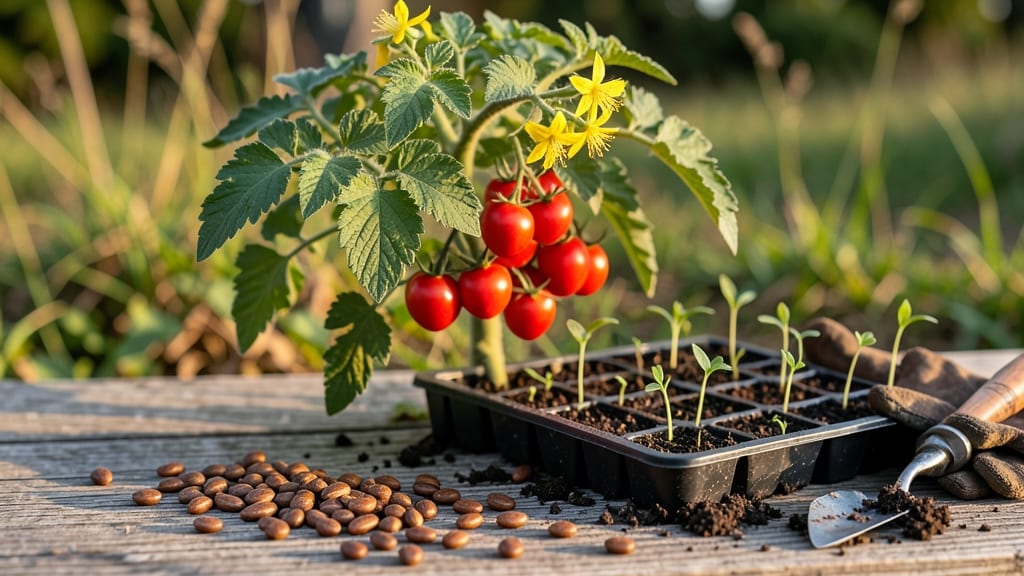
Growing red grape tomato seeds starts with a damp paper towel and a warm spot—because these tiny seeds pack explosive potential. 🌱 I’ve watched them sprout in just 7 days when given the right cozy conditions, and the first green hooks that appear are always a thrilling sign of what’s to come.
The key? Mimicking their natural tropical environment before they even see real soil.
You’ll need 3-4 seeds per cell in biodegradable pots (they hate being transplanted), a heat mat set to 75-80°F, and bright light from day one. Most gardeners overlook the warmth requirement, which is why so many seeds linger for weeks.
Once those first leaves unfurl, you’ll be amazed at how quickly they grow—2 inches per week—into bushy vines loaded with sweet, bite-sized tomatoes.
By transplanting at 4-6 weeks, you’ll give them a head start on producing hundreds of grapes by summer. The secret’s in the spacing too: 18-24 inches apart ensures each plant gets enough air and sunlight to thrive.
Skip the crowded rows, and you’ll avoid the fungal issues that plague tight clusters.
Here’s where it gets fun: these tomatoes ripen all at once, so plan for harvesting every 2-3 days once they turn deep red. The flavor? A perfect balance of sweet and tangy that makes store-bought tomatoes taste bland.
Ready to grow your own vine of sunshine? Let’s get those seeds sprouting.
📚 In This Guide
- What you need
- Instructions
- Tips and common mistakes
- Wrapping up and next steps
What you need
- ● Red grape tomato seeds: 10–20 seeds (fresh is best—check seed packets for viability dates).
- ● Seed-starting mix: 2–3 cups of sterile, well-draining potting soil (avoid garden soil—it’s too dense!).
- ● Containers: 2–4 small pots (3–4 inches deep) or
- ● A seed tray with cell inserts (if starting multiple seeds).
- ● Water: Room-temperature, filtered water (chlorine-free for seed health).
- ● Spray bottle: 1 (for gentle watering—no drowning seeds!).
- ● Plastic wrap or humidity dome: 1 sheet (to trap moisture and speed up germination).
- ● Grow lights or sunny windowsill: Access to 6–8 hours of light daily (south-facing windows or LED grow lights work best).
- ● Plant labels: Small sticks or tags (to track seed varieties).
- ○ Heat mat (optional): A bottom-heating mat (70–80°F range) to boost germination speed by 24–48 hours. 💡
- ● Fertilizer: A balanced, water-soluble fertilizer (like 5-5-5) for transplanting (use half-strength after true leaves appear).
- ● Tweezers: 1 pair (for delicate seed placement).
- ○ Transplant cups (optional): 4–6 biodegradable pots (for easy transplanting later).
Step-by-step instructions for germinating red grape tomato seeds
Here's how I coax these tiny seeds into vigorous seedlings in just a week.
🌱 Step 1: Soak Seeds Overnight for Faster Germination
Place your red grape tomato seeds in a small bowl and cover them completely with lukewarm water (about 85°F). Let them soak for 12 hours—this softens the seed coat and kickstarts the germination process. I like to use a clear container so I can see the seeds plumping up and changing color slightly.
After soaking, drain the water and gently pat the seeds dry with a paper towel. This prevents them from sitting in moisture later, which could cause rot. The reason we soak first is that the outer coating slows germination, and a 12-hour soak softens it considerably. You'll notice the seeds look slightly larger and more vibrant after soaking.
💧 Step 2: Prepare Containers and Moisture-Retentive Mix
Fill your seed-starting trays with a lightweight seed-starting mix—never garden soil, as it's too dense and can harbor pathogens. Moisten the mix until it feels like a damp sponge, but not soggy. Press it down lightly so the surface is firm but not compacted. This ensures good seed-to-soil contact for even germination.
I like to use small cells or biodegradable pots because they reduce the risk of damping-off disease, which can wipe out seedlings overnight. Plant 2 seeds per cell about ¼ inch deep—any deeper and the seedlings will struggle to reach the surface. Cover lightly with additional mix, just enough to hide the seeds.
☀️ Step 3: Create a Warm, Humid Environment
Cover the trays with a clear plastic dome or plastic wrap to trap warmth and humidity. Place them on a seedling heat mat set to 75-85°F—this mimics the warm soil conditions they'd experience outdoors in spring. Without heat, germination can take 2-3 weeks instead of the 7 days we're aiming for.
Check daily but resist the urge to water until you see sprouts. The dome traps enough moisture that the soil stays evenly damp. Once 50% of seeds have sprouted (usually 3-5 days in), remove the dome immediately. Trapped humidity around new seedlings invites damping-off disease, which collapses stems overnight.
⏰ Step 4: Provide Optimal Light and Airflow
The instant seedlings break through the soil, move them under grow lights or to a south-facing window where they'll receive 14-16 hours of light daily. I use a full-spectrum LED grow light positioned 2-4 inches above the plants and raise it as they grow. Without enough light, seedlings stretch desperately upward (called "leggy"), and they'll never recover proper strength.
Strong seedlings have thick stems, deep green color, and compact spacing between leaves. You'll see leggy growth as thin, pale stems with leaves spaced far apart. Once the first true leaves appear (not the initial seed leaves), thin to the strongest seedling per cell. Use clean scissors to snip the weaker one at soil level.
🌿 Step 5: Harden Off Before Transplanting
Two weeks before your last frost date, start hardening off the seedlings by placing them outside in a sheltered, shaded spot for 1-2 hours the first day. Gradually increase outdoor time by 1 hour daily over 10-14 days, slowly introducing more sun and wind. This prepares them for the garden and prevents transplant shock.
Skipping this step burns leaves, breaks stems, and shocks plants severely. Once seedlings tolerate a full day outside without wilting, they're ready for the garden. Transplant on an overcast afternoon to reduce transplant shock and water deeply at the base. Red grape tomatoes thrive in full sun and well-draining soil, so choose a spot that gets at least 6-8 hours of sunlight daily.
Tips & tricks for germinating red grape tomato seeds
A few simple adjustments can transform your seed-starting success rate from hit-or-miss to consistently vigorous seedlings.
Soaking Secret: The 12-hour soak at 85°F isn't just about hydration—it's about breaking dormancy. For even faster results, try soaking in a solution of 1 part hydrogen peroxide (3%) to 10 parts water. This mild disinfectant helps prevent mold while softening the seed coat more aggressively. Just rinse seeds thoroughly before planting to remove any residue.
Container Intelligence: While biodegradable pots are convenient, they can dry out faster than you'd expect. If using them, place a small water reservoir (like a pebble tray) underneath to maintain consistent moisture. For plastic trays, consider adding a layer of perlite to the seed-starting mix—it improves drainage while still retaining enough moisture for germination.
Heat Mat Hack: Your seedling heat mat should maintain 75-85°F consistently, but don't assume your thermostat reading is accurate. Invest in a small digital probe thermometer to monitor the actual surface temperature. I've seen cheap heat mats run 10°F cooler than their settings—this can stretch your germination time from 7 days to 2 weeks. Also, avoid placing the mat on cold surfaces like concrete floors.
Light Transition: When moving seedlings to grow lights after sprouting, start with 12 hours of light daily and gradually increase to 14-16 hours over 3 days. This gradual adjustment prevents the shock response that causes leggy growth. Position your lights so the seedlings' tops just brush against them—this ensures even light exposure without burning delicate leaves.
Pro Tips for Red Grape Tomato Seeds
- A few simple adjustments can transform your seed-starting success rate from hit-or-miss to consistently vigorous seed...
- Soaking Secret: The 12-hour soak at 85°F isn't just about hydration—it's about breaking dormancy. For even faster res...
- Container Intelligence: While biodegradable pots are convenient, they can dry out faster than you'd expect. If using ...
Frequently asked questions
Got questions about growing red grape tomato seeds?
You’re not alone! Here are the most common queries—and quick answers—to help you grow a thriving vine in no time.
How long does it take for red grape tomato seeds to sprout?
With the right conditions (warmth, moisture, and light), red grape tomato seeds typically sprout in 5–7 days. For faster germination, soak seeds overnight in warm water before planting. If they don’t sprout within 10–14 days, they may need more warmth (70–85°F) or fresh soil.
Can I plant red grape tomato seeds directly in the ground?
Yes! These seeds thrive in warm soil (at least 60°F) and can be sown outdoors 2–3 weeks after your last frost date. For cooler climates, start indoors 6–8 weeks before transplanting. Just ensure the soil drains well—waterlogged roots = sad sprouts!
Why aren’t my red grape tomato seeds germinating?
Check these common culprits:
- Cold soil: Use a heat mat or move pots to a sunny windowsill.
- Too much moisture: Damp soil can suffocate seeds—keep it moist, not soggy.
- Old seeds: Store-bought seeds last 1–2 years; homemade seeds may lose viability faster.
- Low light: Seeds need bright, indirect light (or a grow light) to break through soil.
Are red grape tomato seeds different from regular tomato seeds?
Not in germination, but red grape tomatoes are determinate (bush-type), meaning they grow compactly (3–4 ft tall) and produce fruit all at once. Regular tomato seeds (indeterminate) vine indefinitely. Both need similar care, but grape tomatoes are perfect for containers or small gardens!
How soon can I harvest after planting seeds?
Red grape tomatoes take 60–70 days from seed to harvest (or 50–60 days from transplant). Start checking for ripe fruit when vines flower—look for deep red color and slight softness. Pick them early to encourage more production!
Wrapping up and next steps
Growing red grape tomato seeds into lush, productive vines in just seven days is totally doable with the right tricks! By mastering seed soaking, warmth, and consistent moisture, you’re setting yourself up for a thriving harvest. 🌱
Ready to dive in? Grab your supplies, follow the steps, and watch those tiny seeds transform into vibrant vines. Your garden (and taste buds!) will thank you. For extra confidence, try journaling your progress—it’s a fun way to track your success and refine your technique next time!