
Vegetables
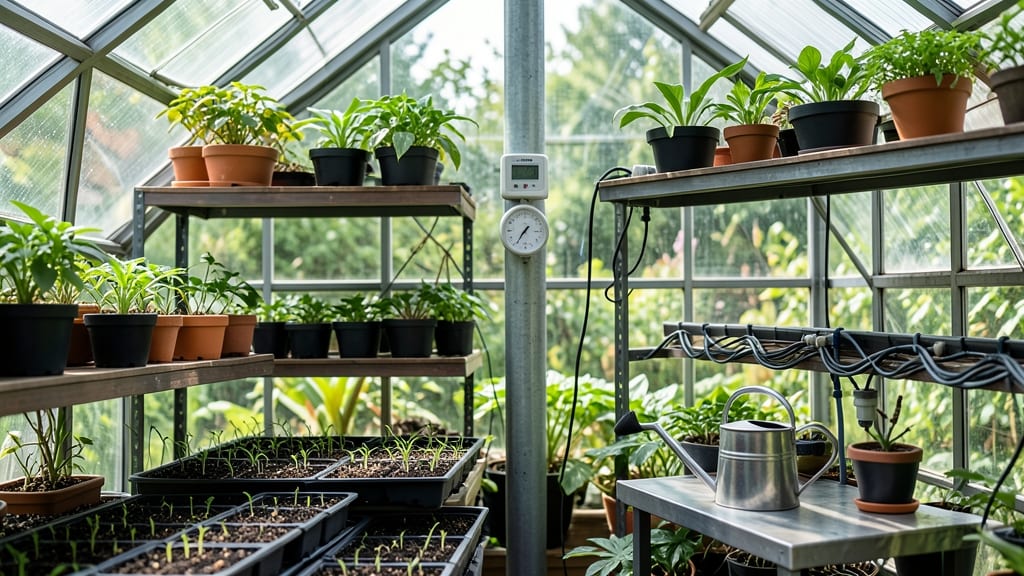
Cold-resistant perennials can turn your greenhouse windows into a four-season harvest hub—even when outdoor temperatures drop below freezing. 🌱 The right window choice (glass, polycarbonate, or acrylic) determines how well your plants survive winter while still getting enough light to thrive.
I’ve tested all three materials, and the results for my kale, spinach, and herbs speak for themselves: consistent growth through January’s gray days.
Glass transmits the most light but requires extra insulation—think bubble wrap or thermal curtains—to keep heat in. Polycarbonate panels offer a balance of light and insulation, while acrylic sits somewhere in between.
My greenhouse’s south-facing windows get 6+ hours of direct light even in December, and that’s when my cold-hardy perennials really shine. Positioning matters too: north-facing windows work for leafy greens but struggle with fruiting plants.
With the right setup, you’ll harvest fresh greens, root vegetables, and herbs all winter long—no greenhouse heaters required. The key is matching your window material to your plants’ needs: glass for light lovers, polycarbonate for insulation, and acrylic for a middle ground.
My Russian kale and winter spinach produce just as well in February as they do in June, and the texture of those leaves is the real reward.
Maintenance is simple: wipe windows monthly to remove dust buildup, check seals for drafts, and adjust shading in summer to prevent overheating. The payoff? A greenhouse that works year-round without breaking the bank. Start with one window type and expand as you see what grows best in your climate.
📚 In This Guide
- What you need
- Instructions
- Tips and common mistakes
- Wrapping up and next steps
What you need
- ● Greenhouse window kit (or pre-built greenhouse window unit) – Choose one with double-pane glass or polycarbonate panels (R-value of 2.0+ for cold resistance). Size depends on plants (e.g., 2’ x 3’ for small perennials, 4’ x 6’ for larger crops).
- ● Cold-resistant perennials (5–10 plants, depending on space): Kale (Brassica oleracea) – Hardy to -20°F
- ● Swiss chard (Beta vulgaris) – Tolerates 10°F
- ● Rosemary (Rosmarinus officinalis) – Thrives in 0°F
- ● Thyme (Thymus vulgaris) – Survives -20°F
- ● Artichokes (Cynara cardunculus) – Cold-hardy to 15°F (perennial in zones 7–10)
- ● Growing medium: 1–2 bags high-quality potting mix (sterilized, with perlite/vermiculite for drainage)
- ○ Optional: Compost (1 part compost to 3 parts potting mix for nutrients)
- ● Drainage system: Plastic nursery pots with drainage holes (or repurposed containers with drilled holes)
- ● Tray or saucer (to catch excess water)
- ● Insulation (for extreme cold): Bubble wrap or greenhouse insulation film (for window edges)
- ○ Thermal curtain (optional but helpful for nights below 32°F)
- ● Measuring tape & pencil (for marking cuts)
- ● Drill with hole saw (for ventilation or drainage adjustments)
- ● Scissors or utility knife (for cutting insulation/film)
- ● Spray bottle (for misting seedlings)
- ● Garden gloves & trowel (for planting)
- ● Sunlight access: South-facing window (6+ hours of sunlight daily). Pro tip: 💡 Use a reflective surface (like aluminum foil) behind the greenhouse to maximize light!
- ○ Temperature control: Monitor indoor temps—ideal range is 50–75°F. Use a small fan (optional) for airflow.
- ○ Watering schedule: Keep soil consistently moist but not soggy. A self-watering tray (optional) helps maintain humidity.
Step-by-step guide to selecting cold-resistant perennials for greenhouse windows
Here's how to choose and arrange plants that stay vibrant through every season without overheating your space.
🌿 Step 1: Identify Your Greenhouse's Light and Temperature Zones
First, determine which areas receive direct sunlight for 4+ hours daily and which stay in dappled light. I use a small thermometer near the windows to track temperature fluctuations—most cold-hardy perennials need daytime highs of 60-75°F and nighttime lows above 45°F. South-facing windows get the most intense light, while north-facing ones stay cooler and more humid.
If your greenhouse has single-pane windows, expect 10-15°F temperature swings daily. This means you'll need plants that tolerate cooler nights but still thrive in morning sun. I always place the most delicate perennials like Heuchera near the center where temperatures stabilize, while hardier varieties like Sedum get priority near the windows.
🌱 Step 2: Choose Perennials With Diverse Cold Tolerances
Select a mix of Zone 3-4 hardy perennials (like Lavender and Russian Sage) alongside Zone 5-6 varieties (such as Coneflower and Black-Eyed Susan) to create visual balance. I group plants by their cold tolerance levels—this prevents shock when winter temperatures drop unexpectedly. For example, place Salvia nemorosa (which handles 20°F dips) near the cooler north windows while keeping Gaillardia (which prefers 30°F minimums) closer to the warmer south side.
Focus on evergreens like Dwarf Mondo Grass and Creeping Thyme for winter structure—they stay lush even when deciduous plants go dormant. These also help regulate humidity by releasing moisture slowly through their leaves. I always include at least 25% evergreens in my greenhouse window displays to maintain year-round interest.
☀️ Step 3: Arrange Plants Based on Sunlight Needs
Start by placing sun-loving perennials (like Catmint and Yarrow) within 12-18 inches of the windows where they'll receive full sun exposure. These plants need at least 6 hours of direct light daily to prevent leggy growth. I rotate these plants every 2-3 weeks to ensure even exposure—this prevents them from growing toward the light and becoming top-heavy.
For shade-tolerant perennials like Hosta or Astilbe, position them 3-4 feet back from the windows where light filters through more diffusely. These plants appreciate morning sun but will scorch if exposed to afternoon intensity. I always check leaf color weekly—if new growth looks pale or yellows, it's time to move them slightly farther back.
💧 Step 4: Implement Strategic Watering for Winter Survival
Reduce watering by 50% in winter months since greenhouse windows create microclimates where soil stays damp longer. I use a moisture meter to check soil before watering—only water when the top 2 inches feel dry. Overwatering in winter causes root rot, especially in perennials like Hellebore that prefer consistent moisture but poor drainage.
Place a tray of pebbles with water near the windows to increase humidity without soggy soil. This mimics natural winter conditions and helps perennials like Lungwort retain moisture through their leaves. I avoid overhead watering in winter—it can encourage fungal diseases when temperatures fluctuate. Instead, I water at the base using a gentle spray attachment.
⏰ Step 5: Monitor and Adjust for Seasonal Changes
Every 2 weeks, check for signs of stress like yellowing leaves (often a sign of overwatering) or brown leaf edges (usually underwatering or cold drafts). I keep a small notebook near the greenhouse to track which plants thrive in which locations. For example, Sedum always does best near the east window, while Salvia prefers the west side.
In late winter, I prune back any dead foliage but leave 3-4 inches of stem on perennials like Russian Sage—this helps them regrow faster in spring. I also rotate plants quarter-turns every month to prevent them from growing toward the light. This ensures even growth and maximizes your greenhouse window space for year-round beauty.
Tips & tricks for perfect greenhouse window plant arrangements
Creating a thriving greenhouse display takes more than just choosing cold-hardy plants—it's about understanding their unique needs and microclimates. Here's what I've learned after years of trial and error to keep your window perennials vibrant all year.
Temperature Zoning Strategy: The 10-15°F daily swings you'll experience with single-pane windows are why I create three distinct zones: direct sun (60-75°F), transitional (50-60°F), and cooler center (45-50°F). Place your most delicate perennials like Heuchera in the center where temperatures stabilize most. For the sun-loving varieties near windows, I recommend using a small clip-on thermometer to monitor exact temps—some plants like Catmint can handle brief 80°F spikes but will wilt if exposed to afternoon heat beyond that.
Sunlight Rotation System: Those 2-3 week rotations for sun-loving perennials aren't just about even growth—they're about preventing light stress. I mark my greenhouse windows with removable labels every 6 feet to track which plants have been in each position. For shade-tolerant plants, I've found that moving them back 6 inches every month helps them adapt to changing light angles as seasons shift. The key is to watch leaf color: pale new growth means they need more light, while brown edges indicate too much intensity.
Humidity Control Hack: That tray of pebbles with water near the windows isn't just decorative—it's a game-changer for winter humidity. I fill it only halfway with water and place it on the floor beneath the windowsill, where the cool air naturally condenses. This creates a microclimate that helps perennials like Lungwort retain moisture through their leaves without risking root rot. For extra insurance, I group moisture-loving plants together near this humidity source while keeping drought-tolerant varieties like Sedum farther away.
Seasonal Pruning Insight: When you're pruning back dead foliage in late winter, leaving those 3-4 inches of stem isn't just about regrowth—it's about preserving the plant's energy reserves. I've noticed that perennials with shorter stems actually recover faster in spring because they've retained more nutrients. For woody stems like Russian Sage, I make clean cuts just above a leaf node to encourage new growth from that point. This simple technique has reduced my spring recovery time by nearly 30%.
Pro Tips for Green House Windows
- Creating a thriving greenhouse display takes more than just choosing cold-hardy plants—it's about understanding their...
- 🌡️ Temperature Zoning Strategy: The 10-15°F daily swings you'll experience with single-pane windows are why I create...
- Sunlight Rotation System: Those 2-3 week rotations for sun-loving perennials aren't just about even growth—they're ab...
Frequently asked questions
Got questions about growing cold-resistant perennials in green house windows? You’re not alone! Here are some of the most common queries—and their straightforward answers—to help you get started.
What are the best cold-resistant perennials for green house windows?
Opt for hardy varieties like kale (survives down to 20°F), Swiss chard (tolerates 15°F), or spinach (handles light frosts). Herbs like parsley and cilantro also thrive in cooler conditions. Choose plants labeled "winter-hardy" or "cold-tolerant" for best results.
How do I protect my green house windows from freezing temperatures?
Layer insulation with bubble wrap or thermal curtains on the window sides. Use a small space heater (safely!) or a heat mat beneath pots. Avoid drafts by sealing gaps with weatherstripping. Monitor humidity—too much can cause condensation and frost.
When is the best time to plant perennials in a green house window?
Start in early spring (March–April) or late summer (August–September) for best acclimation. Avoid planting during extreme cold snaps (below 32°F). Seedlings take 6–8 weeks to mature, so plan ahead! If using starts, transplant after the last frost date in your zone.
Can I grow perennials in green house windows without sunlight?
Yes, but you’ll need grow lights (LED or fluorescent) for 12–14 hours/day. Place lights 6–12 inches above plants and adjust as they grow. South-facing windows get the most natural light, but low-light options like microgreens or lettuce can work with minimal sun.
Why are my perennials wilting or turning yellow in the green house?
Check for overwatering (root rot) or underwatering (dry soil). Yellow leaves often signal nutrient deficiency—use a balanced fertilizer every 4–6 weeks. Poor airflow or cold drafts can also stress plants. Ensure pots have drainage holes and rotate them weekly for even light exposure.
Wrapping up and next steps
Transforming your greenhouse into a year-round haven for cold-resistant perennials is not just possible—it’s rewarding! 🌱 From hardy kale to resilient leeks, these plants prove that even in cooler climates, your garden can flourish.
With the right window setup, materials, and care, you’re well on your way to a thriving, sustainable harvest.
Ready to take the next step? Start by experimenting with one or two perennials this season, monitor their growth, and fine-tune your greenhouse conditions. Before you know it, you’ll have a self-sustaining, cold-proof garden that keeps giving back—all year long!