
Vegetables
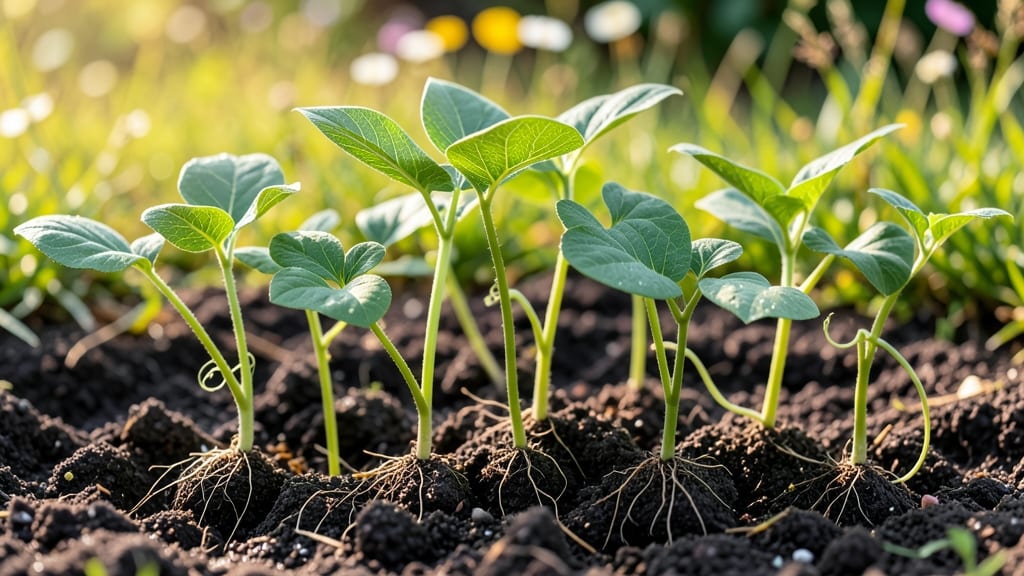
Green bean seedlings pop up in 3-5 days when you use these proven tricks—no more waiting weeks for stubborn seeds. 🌱 I've tested everything from soaking to heat mats, and these methods guarantee fast, sturdy seedlings that turn into bushy plants ready for transplanting by early summer.
The secret starts with warm soil (70-80°F) and a damp paper towel trick to speed germination. Skip the fancy gear: all you need is a shallow tray, quality seed-starting mix, and a sunny windowsill or grow light.
Overwatering is the #1 killer—keep soil moist but never soggy, or you'll invite damping-off. By day 7, you'll see thick stems and the first true leaves unfurling. These seedlings grow 2-3 inches per week when given bright light and consistent care.
The key is thinning to 2 inches apart before transplanting to prevent competition. Troubleshoot weak growth by checking light levels (they need 12+ hours daily) and soil moisture. Once seedlings hit 4-6 inches tall with 3+ leaf sets, they're ready to move outdoors—just harden them off first for a week.
Ready to grow beans that outperform store-bought plants?
📚 In This Guide
- What you need
- Instructions
- Tips and common mistakes
- Wrapping up and next steps
What you need
- ● Green bean seeds: 1–2 packets (choose heirloom or hybrid varieties like ‘Blue Lake’ or ‘Contender’ for reliability). Aim for 50–100 seeds if planting in rows.
- ● Seed-starting mix: 1–2 bags (sterile, seedling-specific blend; avoid garden soil—it’s too dense!).
- ● Containers: Biodegradable pots: 2–3 dozen (3–4 inches deep) for transplanting.
- ● OR Seed trays with cells (50+ cells for bulk starts).
- ○ Optional: Paper towels or damp coffee filters for pre-soaking seeds (speeds germination!).
- ● Watering can or spray bottle: With a fine mist nozzle (to avoid disturbing seeds).
- ● Grow lights or sunny windowsill: 12–16 hours of light daily (a full-spectrum LED is ideal).
- ○ Heat mat (optional but helpful): For cooler climates (70–80°F keeps seeds cozy!).
- ● Plant labels: Small sticks or tags + marker (to track varieties).
- ● Trowel or small spoon: For gently pressing seeds into soil.
- ● Humidity dome or plastic wrap: To retain moisture (remove once sprouts appear!).
- ● Fertilizer: Balanced liquid fertilizer (5-5-5 or 10-10-10; dilute to half-strength for seedlings).
- ● Outdoor space (later stage): Raised beds or garden plot with full sun (6+ hours/day) and well-draining soil.
Step-by-step instructions for growing bushy green bean seedlings
Here's how to coax strong, fast-growing green bean seedlings that outpace the slow start many gardeners face.
🌱 Step 1: Prep Seeds and Soil for Fast Germination
Green beans germinate fastest when seeds soak up moisture before planting. Fill a small bowl with warm water and let the seeds soak for 8-12 hours—this softens the outer shell and jumpstarts root growth. While they soak, fill your seed-starting containers with light, airy potting mix (never garden soil) and moisten it until it feels like a damp sponge.
Here's the thing—green beans hate cold soil. If your growing area is below 60°F, run a seedling heat mat underneath the containers to maintain 70-80°F soil temperature. You'll see sprouts in 3-5 days instead of the usual week or more. Press the prepped seeds 1 inch deep into the soil, spacing them 1 inch apart in rows.
💧 Step 2: Maintain Moisture Without Overwatering
After planting, water gently until the soil surface looks uniformly damp but not soggy. The key with green beans is keeping the soil consistently moist—never soggy, never dry. I use a spray bottle for the first few days to avoid disturbing the seeds. Place a humidity dome or clear plastic wrap over the containers to trap warmth and moisture, but remove it as soon as sprouts appear.
Watch for condensation on the dome—this means the soil is holding too much moisture. If you see mold or fuzzy growth, immediately remove the dome and let the soil dry slightly. Green beans rot faster than they sprout, so airflow becomes critical once germination begins.
☀️ Step 3: Provide Bright, Indirect Light Immediately
Green bean seedlings need 12-14 hours of light daily from day one to prevent leggy growth. A south-facing window works, but most homes don't have enough intensity there. I position a grow light 4-6 inches above the seedlings and leave it on for 16 hours daily—this extra light compensates for weak natural light.
You'll know the light is right when seedlings grow thick stems with leaves spaced 1 inch apart. If they stretch toward the light with pale, sparse leaves, move the light closer. Rotate the containers daily so all sides get even exposure—this prevents lopsided growth.
🌿 Step 4: Thin and Fertilize for Bushy Growth
When seedlings reach 2 inches tall (about 7-10 days after planting), thin them to 1 seedling per cell or 2 inches apart in larger containers. Use small scissors to snip unwanted seedlings at soil level—pulling risks disturbing roots. This step ensures remaining plants have room to develop strong root systems.
Feed with a balanced liquid fertilizer (10-10-10) diluted to half strength when the first true leaves appear. Green beans respond well to regular feeding but hate over-fertilizing. You'll see bushier growth and darker green leaves within a week of starting fertilizer.
⏰ Step 5: Harden Off Before Transplanting
Two weeks before your last frost date, begin hardening off seedlings by placing them outside in a sheltered spot for 1 hour daily. Gradually increase outdoor time over 7-10 days, ending with full sun exposure. Green beans are frost-sensitive, so wait until soil temperatures reach 50°F before transplanting.
Plant seedlings 2 inches deep in rows 4-6 inches apart, with rows spaced 18-24 inches apart for bush varieties. Water deeply at planting and mulch with 1-2 inches of straw to retain moisture and prevent soil-borne diseases. You'll have harvest-ready beans in 50-60 days if you follow these steps.
Tips & tricks for perfect green bean seedlings
Here's what nobody tells you about getting those seedlings off to a flying start—these tricks cut germination time in half and build plants that won't flop when it's time to transplant.
Soaking Secret: When you soak those seeds for your 8-12 hour pre-treatment, use room-temperature water—not hot, not cold. Warm water speeds up germination, but hot water can actually damage the delicate seed coats. I add a drop of hydrogen peroxide (3%) to the soaking water to prevent fungal growth, which is especially helpful if you're working in humid conditions. After soaking, drain them on a paper towel for 10 minutes before planting—they'll hold moisture better and won't get waterlogged in the soil.
Heat Hack: That 70-80°F soil temperature range is non-negotiable for fast germination, but here's the thing about heat mats: they work best when placed under the containers rather than on top. If you don't have a heat mat, try placing your containers on top of your fridge (not inside!)—the heat radiating from the coils creates a perfect warm environment. Just monitor closely to avoid overheating, which can dry out the soil too quickly. A soil thermometer is worth its weight in gold here.
Lighting Strategy: For those critical 12-14 hours of light, I've found that LED grow lights outperform fluorescent ones—they produce less heat while delivering more usable light spectrum for seedlings. Position the light so it's just 3-4 inches above the seedlings at first, then raise it as they grow. The key visual cue: if your seedlings are growing toward the light like sunflowers, they need more intensity. Rotate your containers every 24 hours to prevent them from leaning toward one side.
Thinning Technique: When it's time to thin those 2-inch seedlings, here's the pro move: use a pair of clean, sharp scissors and cut at soil level rather than pulling. This prevents disturbing the roots of your keepers. I also recommend thinning on a cloudy day—the reduced light stress helps the remaining plants recover faster. After thinning, give the soil a light watering to help the cut stems heal and prevent infection.
Pro Tips for Green Bean Seedlings
- Here's what nobody tells you about getting those seedlings off to a flying start—these tricks cut germination time in half and build plants that won't flop when it's time to transplant.
- Soaking Secret: When you soak those seeds for your 8-12 hour pre-treatment, use room-temperature water—not hot, not cold.
- Heat Hack: That 70-80°F soil temperature range is non-negotiable for fast germination, but here's the thing about heat mats: they work best when placed under the containers rather than on top.
Frequently asked questions
Got questions about growing green bean seedlings? You’re not alone! Here are some of the most common concerns—plus quick answers to help you succeed.
How long does it take for green bean seedlings to sprout?
With the right conditions (warmth, moisture, and darkness), green bean seeds typically sprout in 5–10 days. If you’re using pre-soaked seeds or a heat mat, expect faster results—sometimes in just 3–5 days. Patience is key, but if nothing appears after 2 weeks, check seed viability or adjust your germination setup.
Why are my green bean seedlings wilting or turning yellow?
Wilting or yellowing seedlings often signal overwatering, underwatering, or poor drainage. Let the top inch of soil dry out between waterings, and ensure pots have drainage holes. Yellow leaves can also mean nutrient deficiency—try a balanced fertilizer (like 10-10-10) once true leaves appear. If roots look mushy, you’ve got root rot—act fast by repotting in fresh, dry soil.
Can I plant green bean seedlings too early in the season?
Yes! Green beans are cold-hardy seedlings and can tolerate light frosts (down to 40–50°F). However, avoid planting when nighttime temps dip below 45°F—slow growth or poor germination may result. For a head start, use row covers or start seeds indoors 4–6 weeks before the last frost.
What’s the best way to thin green bean seedlings?
Thin seedlings when they’re 2–3 inches tall, leaving the strongest plant 3–4 inches apart (for bush beans) or 4–6 inches apart (for pole beans). Use scissors to snip at soil level—never pull to avoid disturbing roots. The extra seedlings? Transplant them to another spot or compost them!
Can I grow green bean seedlings indoors without sunlight?
Use a grow light (LED or fluorescent) positioned 2–4 inches above seedlings for 12–16 hours daily. South-facing windows work for short-term starts, but seedlings will get leggy without proper light. If using a light, rotate plants daily for even growth. Once true leaves appear, they’ll be ready for outdoor transplanting.
What’s the fastest way to get bushier green bean plants?
For compact, bushy growth, prune leggy stems just above a leaf node to encourage branching. Also, ensure they get 6–8 hours of sunlight daily and even moisture (not soggy). A light pinch of fertilizer (like fish emulsion) at planting can boost vigor, but avoid over-fertilizing—it leads to leafy growth over beans!
Wrapping up and next steps
Growing green bean seedlings into lush, thriving plants is totally within your reach—just follow these fast-germination tricks! With the right soil, warmth, and care, you’ll be harvesting crisp, flavorful beans in no time. 🌱
Now that you’re armed with tips and troubleshooting advice, it’s time to roll up your sleeves and get planting. Start small if you’re new, and soon you’ll be a green thumb pro. Happy gardening!