
Vegetables
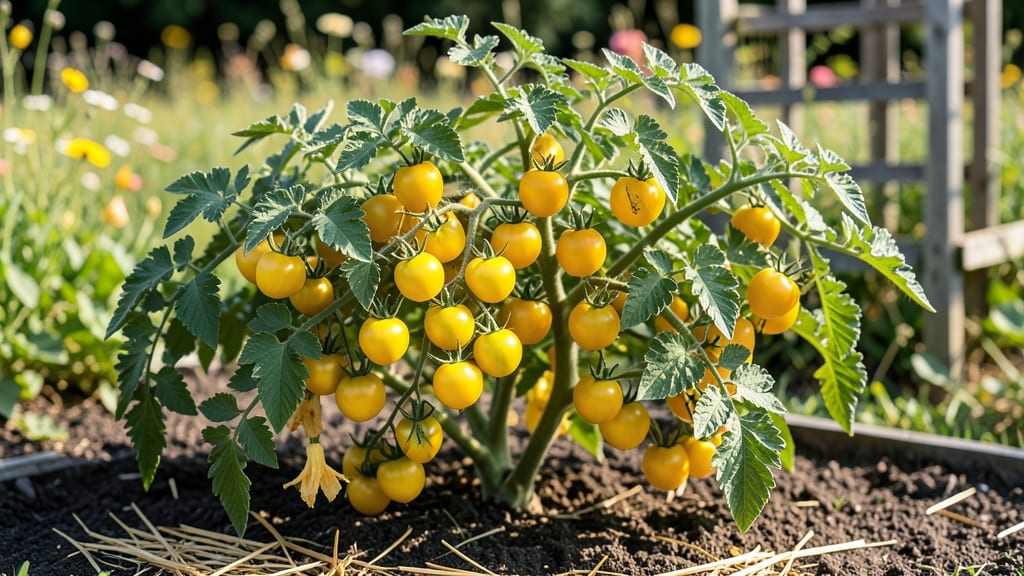
Golden sweet grape tomatoes turn summer into a candy store. 🌱 These tiny, golden-orange heirlooms pack more sweetness than most tomatoes twice their size, and they keep producing for months—even in containers.
I grew mine last year and ended up with enough for salsas, snacks, and sharing with neighbors who couldn’t believe how good they tasted. The secret to their success is simple: 6+ hours of sun daily, well-draining soil, and consistent watering that keeps roots happy without drowning them.
They’re not fussy about soil pH but thrive in rich, slightly acidic mixes. Spacing plants 18–24 inches apart gives them room to sprawl (or cage them if you prefer vertical growth). By midsummer, you’ll be harvesting pints of these bite-sized gems every few days. The flavor?
A perfect balance of sweet and tangy, with just enough acidity to keep it interesting. Prune regularly to encourage more fruit and watch as vines stretch toward the sky. Works in zones 5–10, though in cooler climates, treat them as annuals.
Pair them with basil or marigolds to boost flavor and deter pests. Ready to grow your own sweet treasure?
📚 In This Guide
- What you need
- Instructions
- Tips and common mistakes
- Wrapping up and next steps
What you need
- ● Seeds or seedlings: 5–10 golden sweet grape tomato seeds (or 3–5 healthy seedlings from a nursery). Choose heirloom or hybrid varieties labeled for sweetness.
- ● Containers or garden bed: Containers: 5–10 gallon pots (1 per plant) with drainage holes. Use fabric grow bags or ceramic pots for flexibility.
- ● Garden bed: A sunny spot (6+ hours of light) with well-draining soil. Raised beds work great for perennial varieties!
- ● Potting mix: 10–15 lbs of high-quality, organic seed starting mix or well-draining potting soil (avoid garden soil—it compacts too easily).
- ● Fertilizer: Balanced organic fertilizer (10-10-10 or 5-5-5) for planting.
- ● Slow-release tomato-specific fertilizer (e.g., 3-4-6 or 4-7-10) for ongoing growth.
- ● Support system: Cage or trellis (4–6 ft tall) for indeterminate varieties (they’ll vine!).
- ● Stakes or tomato clips for determinate types (shorter, bushier plants).
- ● Mulch: 2–3 inches of straw, wood chips, or shredded leaves to retain moisture and suppress weeds.
- ● Basic tools: Trowel, pruners, watering can (or hose with gentle nozzle), and gloves.
- ○ Optional (but helpful!): pH test kit (ideal soil pH: 6.0–6.8).
- ● Drip irrigation system or self-watering pots for consistency.
- ● Row covers or shade cloth (if growing in hot climates or early/late seasons).
- ● Epsom salt (1 tbsp per plant monthly for magnesium boost).
- ● Compost or worm castings (for extra nutrients).
- ● Know your USDA hardiness zone (zones 8–11 are ideal for perennials; cooler zones may need overwintering care).
- ● Check the last frost date in your area (start seeds indoors 6–8 weeks before it!).
- ● Ensure your plants get full sun (they’re sun-worshippers!).
Step-by-step instructions for growing golden sweet grape tomatoes
Let’s make this simple—no fancy tricks, just reliable methods that work every time.
🌱 Step 1: Choose the Right Location and Prepare the Soil
Golden Sweet Grape Tomatoes thrive in full sun—at least 6-8 hours daily. If your garden gets afternoon shade, pick a spot where they’ll get morning sun instead. I always test the soil first by squeezing a handful—if it crumbles easily, it’s ready. If it stays clumpy, mix in 2-3 inches of compost to loosen it up.
These tomatoes love well-draining soil with a slightly acidic to neutral pH (around 6.0-7.0). Work in a balanced organic fertilizer (like 10-10-10) at planting time to give them a nutrient boost. Avoid fresh manure—it can burn tender roots. Once the soil is prepped, rake it smooth so roots can spread easily.
☀️ Step 2: Plant at the Right Time and Support Them Early
Start seeds indoors 8-10 weeks before your last frost date or transplant young plants after all danger of frost has passed. Golden Sweet Grape Tomatoes grow fast, so don’t wait too late—they need time to establish before summer heat hits. I like to plant them in early spring for a fall harvest, too.
Set plants 18-24 inches apart in rows 3 feet apart to give them room to sprawl. Since these are indeterminate vines, install a 5-6 foot tall trellis or stake right away. I tie the main stem loosely to the support with soft plant ties—don’t cinch too tight, or you’ll restrict growth. Prune suckers (those little shoots in the leaf axils) regularly to keep energy focused on fruit production.
💧 Step 3: Water Deeply and Consistently
Water deeply once or twice a week, aiming for 1-1.5 inches of water per week. Let the top 2 inches of soil dry out between waterings—this prevents blossom-end rot and keeps roots strong. I water in the morning so the foliage dries quickly, reducing disease risk. Avoid wetting the leaves if possible—water at the base instead.
Mulch around the plants with 2-3 inches of straw or shredded leaves to retain moisture and keep roots cool. This is especially important in hot climates where soil can dry out fast. If you see the leaves wilting slightly in the afternoon, that’s normal—just a sign they’re thirsty. But if they’re crispy or yellowing, you’re over- or under-watering.
✂️ Step 4: Prune and Harvest for Maximum Yield
Prune regularly to encourage more fruit production. Remove any suckers (those little shoots growing between the stem and branches) when they’re 3-4 inches long. Also, pinch off the first few flower clusters if your plants are small—this lets them focus on growing stronger before fruiting. Once they’re established, let the flowers set fruit, but keep pruning suckers to avoid overcrowding.
Harvest when the tomatoes are fully golden and slightly soft to the touch. They’ll keep ripening off the vine, so don’t wait too long—pick them when they’re at peak flavor. I harvest every 2-3 days in peak season to encourage more production. Cut the stem with pruners or gently twist them off—never pull, or you’ll damage the plant.
🌿 Step 5: Extend the Season (Optional for Year-Round Harvest)
To keep producing tomatoes into fall (or even winter in mild climates), protect them from frost. Cover plants with frost blankets or row covers when temperatures dip below 50°F. In colder zones, grow them in containers and move them indoors near a sunny window or under grow lights during winter. I’ve kept mine going until November with this method.
If you’re growing in containers, choose pots at least 5 gallons in size to give roots room to spread. Use a lightweight potting mix and fertilize lightly every 4-6 weeks to keep them fed. With a little care, you can enjoy sweet, golden tomatoes almost year-round!
Tips & tricks for growing golden sweet grape tomatoes
Here's what nobody tells you about making these sweet tomatoes thrive—simple secrets that'll save you time and frustration.
Sunlight Strategy: Those 6-8 hours of daily sun are non-negotiable, but here's the thing: morning sun is more valuable than afternoon in hot climates. If you're in Zone 9 or hotter, position plants where they get morning sun and afternoon shade to prevent stress. I've seen plants wither when baked all day—trust me, the leaves will thank you.
Soil Test Hack: The pH test (6.0-7.0) is crucial, but here's how to check without fancy equipment. Grow blueberries in the same soil—if they thrive, your tomatoes will too. Blueberries love acidic soil (4.5-5.5), so if they're happy, your tomatoes' ideal range is just slightly higher. This works because both plants share similar soil preferences.
Watering Timing: The 1-1.5 inches per week guideline is perfect, but timing matters more than you think. Water in the morning when temperatures are cooler—this gives foliage time to dry completely before evening humidity sets in. I've seen fungal issues disappear completely after switching to morning watering, even when following the exact same quantity.
Pruning Visual Cue: When pruning suckers at 3-4 inches, look for the tiny shoots growing between the main stem and branches. These should be at about a 45-degree angle from the main vine. If you wait until they're thicker than a pencil, you're already too late—the plant has wasted energy growing them. I prune mine every Tuesday and Saturday to stay on top of this.
Pro Tips for Golden Sweet Grape Tomato
- Here's what nobody tells you about making these sweet tomatoes thrive—simple secrets that'll save you time and frustration.
- Sunlight Strategy: Those 6-8 hours of daily sun are non-negotiable, but here's the thing: morning sun is more valuable than afternoon in hot climates.
- Soil Test Hack: The pH test (6.0-7.0) is crucial, but here's how to check without fancy equipment.
Frequently asked questions
Got questions about growing your own golden sweet grape tomatoes? You’re not alone!
This vibrant, perennial variety is a game-changer for home gardeners, but it’s natural to have a few doubts before diving in. Below, we’ve rounded up the most common questions—and answers—to help you grow like a pro.
How long does it take for golden sweet grape tomatoes to produce fruit?
Once established, these tomatoes typically start producing fruit 60–90 days after transplanting (or 70–100 days from seed). With proper care—like consistent watering and sunlight—they’ll keep yielding sweet, golden clusters for months, especially in warm climates. Patience pays off with a year-round harvest if grown as a perennial!
Can I grow golden sweet grape tomatoes in containers, or do I need a garden bed?
These tomatoes thrive in containers 5+ gallons deep with good drainage. Use a lightweight potting mix and place them in a sunny spot (6+ hours of direct light). Just ensure the pot stays stable—these vining plants can get heavy with fruit. Pro tip: Add trellis support early to save space and improve air circulation.
What’s the best way to prune golden sweet grape tomatoes for maximum yield?
Pruning encourages more fruit production and better airflow. Remove suckers (shoots in leaf axils) up to the first flower cluster to redirect energy to fruit. Trim back leggy growth in late summer to rejuvenate the plant for a second flush of tomatoes. Avoid over-pruning—aim for a balanced, bushy shape rather than a bare skeleton.
How do I protect golden sweet grape tomatoes in cold weather?
While these tomatoes are perennial in USDA Zones 9–11, they’ll need winter prep in cooler climates. Mulch heavily (straw or leaves) to insulate roots, and wrap the base with burlap or frost cloth. In freezing temps, move potted plants to a garage or greenhouse. With care, they’ll bounce back in spring—like a tomato superhero!
Are golden sweet grape tomatoes better eaten raw, cooked, or both?
These tomatoes are versatile and delicious in any form! Their sweet, honey-like flavor shines raw in salads or as a snack. They also caramelize beautifully when roasted, grilled, or simmered into sauces. Try them in:
- Caprese skewers with mozzarella and basil
- Salsas or pico de gallo
- Homemade tomato jam or chutney
- Fresh sushi rolls (yes, really!)
Experiment to find your favorite way to enjoy their sun-kissed sweetness!
Wrapping up and next steps
Growing golden sweet grape tomatoes is a rewarding journey that brings vibrant flavor and year-round harvests to your garden—even for beginners! 🌱 With the right soil, sunlight, and care, these perennials can thrive, offering sweet, sun-kissed fruits that taste like summer all year.
Whether you’re a hobbyist or a seasoned gardener, this guide has given you the tools to succeed.
Ready to dive in? Start small—plant a few seeds or seedlings this season and watch your garden transform. Share your progress with fellow gardeners, experiment with varieties, and enjoy the delicious (and beautiful!) rewards of your hard work. Happy growing! 🌿✨