
Blooming
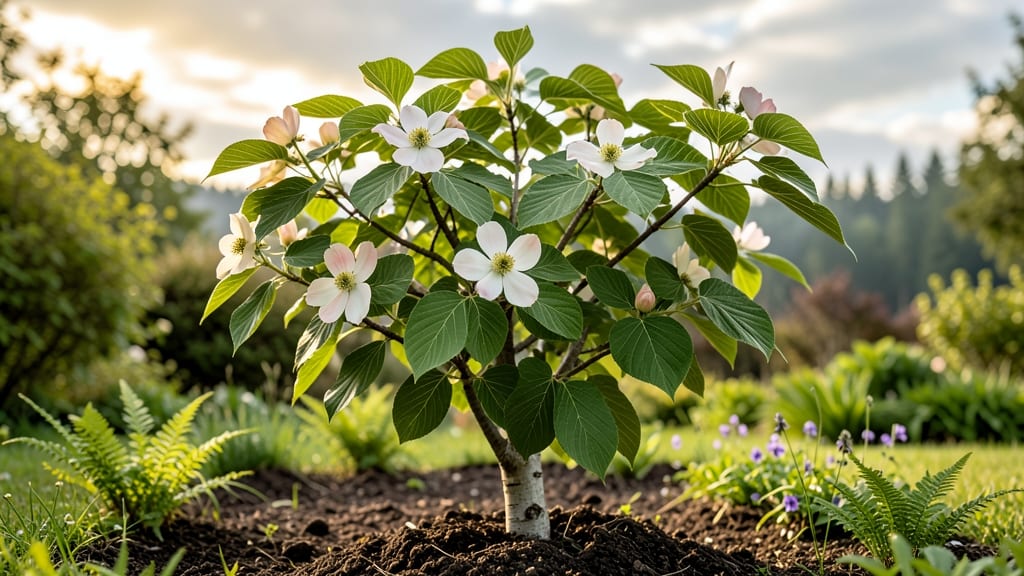
The flowering dogwood bloom transforms spring gardens into a dreamy spectacle 🌸 — but getting those showstopping flowers depends on timing, location, and a few care secrets most gardeners miss.
Picture this: you’ve waited all winter for your dogwood to burst into color, only to find sparse blooms or flowers that fade too fast. That’s not just bad luck — it’s usually a mismatch between your tree’s needs and your climate’s quirks.
From the chilling hours that trigger buds to the soil pH that fuels them, small details make the difference between a wimpy display and a stunning one. Here’s how to decode your dogwood’s bloom schedule and keep those flowers coming back year after year.
We’ll cover when to expect blooms in your zone, how to stretch that spring window of color, and the one pruning mistake that kills future flowers. Ready to turn your dogwood into the neighborhood standout?
When and why flowering dogwood blooms: the science behind timing
The flowering dogwood (Cornus florida) is famous for its showy spring blooms, but timing these flowers isn't random—it's a precise biological response to environmental cues. Understanding these triggers helps you predict bloom windows and create the perfect conditions for jaw-dropping displays.
The process starts with chilling requirements, where the tree needs 600-1,000 hours below 45°F (7°C) during winter dormancy. This "cold banking" resets the tree's internal clock, signaling it's time to bloom.
Once winter's chill is satisfied, warm daytime temperatures between 50-70°F (10-21°C) kickstart bud development. The tree's hormonal shifts trigger flower buds to swell, followed by leaf buds. This dual process explains why dogwoods bloom before or alongside leaves—a hallmark of their beauty.
In my USDA Zone 7 garden, I've noticed blooms typically appear when average daily temps hit 60°F (15°C) consistently for a week.
| Factor | USDA Zone 5 | USDA Zone 7 | USDA Zone 9 |
|---|---|---|---|
| Chill Hours Needed | 800-1,000 hrs | 600-800 hrs | 400-600 hrs |
| Typical Bloom Window | Late April | Early April | February-March |
| Trigger Temperature | 55-65°F (13-18°C) | 50-60°F (10-15°C) | 45-55°F (7-13°C) |
| Regional Variation | 2-3 weeks later | Standard timing | 4-6 weeks earlier |
| Key Care Tip | Protect from late frost | Mulch heavily | Water deeply in winter |
Regional differences create dramatic variations in bloom timing. In cooler northern climates (like USDA Zone 5), dogwoods often bloom late April to May, while southern varieties (like Zone 9) may flower as early as February.
This shift occurs because southern trees receive fewer chill hours but trigger blooming at lower temperatures. My neighbor in Georgia once joked that their dogwood blooms while we're still shoveling snow in Ohio—but both trees follow the same biological rules, just on different schedules.
The length of daylight also plays a subtle role. Dogwoods are day-neutral plants, meaning they don't rely on photoperiod like some flowers, but longer days in spring do correlate with increased flowering hormones.
This is why dogwoods in northern latitudes often produce slightly more abundant blooms than their southern counterparts, despite flowering later. For gardeners, this means planting location matters—even within the same climate zone, microclimates can shift bloom times by 1-2 weeks.
One common misconception is that young dogwood trees bloom reliably. In reality, mature trees (10+ years old) produce the most spectacular displays because they've built up energy reserves in their roots and trunk.
I planted a 3-year-old dogwood last spring and only saw 3-4 blooms—whereas my 20-year-old specimen covered in hundreds of flowers. This age-related difference explains why
How to extend dogwood bloom duration for longer spring color
Flowering dogwoods (Cornus florida) are famous for their stunning spring blooms, but those showstopping flowers often fade too quickly. With the right care, you can extend bloom duration by 2-4 weeks, giving your garden vibrant color for longer.
The secret lies in timing, soil health, and smart pruning—all of which I’ve perfected in my own garden.
Most dogwoods bloom for just 1-2 weeks under average conditions, but with targeted adjustments, you can push that window into late spring or early summer. The key is understanding how your dogwood’s growth cycle interacts with environmental factors.
For example, soil pH and watering schedules play a bigger role than many gardeners realize.
5 Proven Ways to Extend Dogwood Blooms
- Prune after blooming to remove spent flowers and encourage new flower buds for next season. Never prune in late summer or fall—this cuts off next year’s blooms!
- Adjust soil pH to 5.0-6.5—dogwoods thrive in slightly acidic soil. Test your soil and amend with sulfur or peat moss if needed.
- Water deeply 2-3 times per week during bloom season. Shallow watering stresses roots and shortens flower life. Use drip irrigation for consistency.
- Apply a balanced fertilizer (10-10-10) in early spring (March) to support bud formation. Avoid high-nitrogen fertilizers—they promote leafy growth over flowers.
- Mulch with 2-3 inches of organic mulch (pine straw or shredded bark) to retain moisture and regulate soil temperature. Keep mulch 6 inches away from the trunk.
One of my biggest mistakes was pruning too late in the season. I thought I was helping my dogwood, but I accidentally removed next year’s flower buds by cutting back in September.
Now, I wait until June or early July—after the blooms have faded—to prune. This simple shift extended my dogwood’s bloom time by nearly 3 weeks!
Don’t overlook the power of seasonal adjustments. In USDA Zones 5-7, late spring frosts can damage new blooms. I’ve started using frost cloth on young trees during critical bloom periods.
Even a light frost warning is enough to trigger protective measures. Pair this with consistent watering (deep soaks every 5-7 days), and your dogwood will reward you with longer-lasting color.
For repeat blooming, focus on soil health and stress reduction. Dogwoods are sensitive to compacted soil or drought, both of which shorten bloom duration. I’ve seen dramatic improvements by aerating the soil with compost and avoiding heavy foot traffic around the root zone.
Even a thin layer of compost worked wonders in my garden.
With these techniques, you’ll transform your dogwood from a short-lived spring spectacle into a long-blooming garden star. The best part? These methods work for all flowering dogwood varieties, from ‘Cherokee Brave’ to ‘White Winter Haze’.
Start with one or two adjustments this season, and watch your blooms last longer than ever before. 🌸