
Vegetables
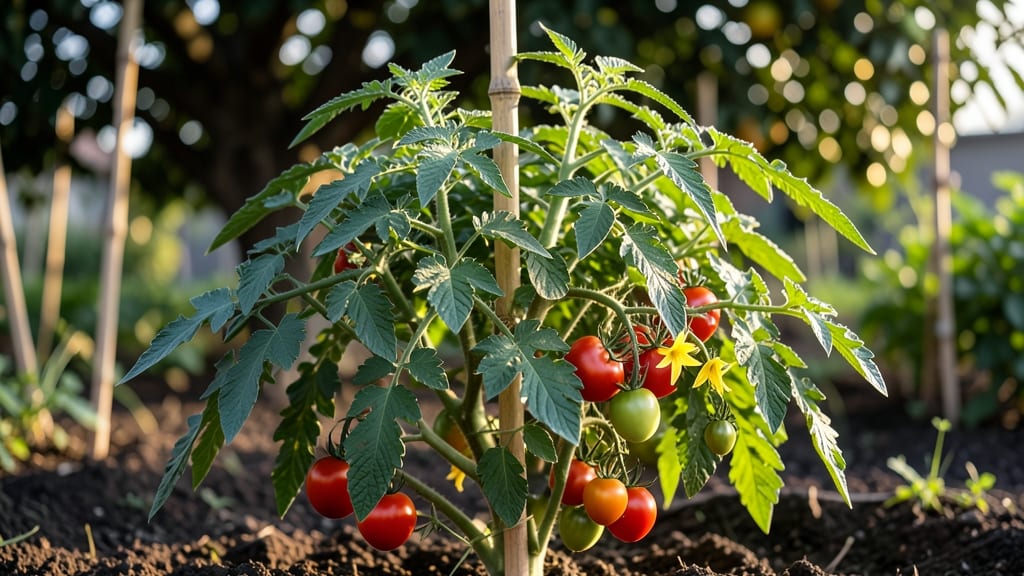
Nothing beats the first bite of a flavor bomb tomato fresh from your garden—bursting with sweetness that makes store-bought varieties taste like cardboard. 🌱 I grew my first batch last summer, and the difference was immediate: juicy, complex, and packed with flavor that lasted long after the vine finished fruiting.
These tomatoes aren't just pretty; they're a game-changer for home cooks and gardeners alike.
The secret to unlocking that explosive flavor starts with the right conditions: rich, well-draining soil, full sun (6+ hours daily), and consistent watering that keeps roots happy without drowning them. I swear by a 5-gallon container for each plant—it gives them room to thrive without sprawling everywhere.
Pruning isn't just about shape; it's about directing energy into fewer, bigger, sweeter fruits. And yes, you can grow them in pots if space is tight!
By midsummer, you'll be harvesting tomatoes that taste like they belong in a gourmet restaurant—not your backyard. The flavor peaks when they're deep red and slightly soft to the touch, with a balance of sugar and acidity that'll have you reaching for more.
And the best part? One plant produces enough for salads, sauces, and snacks all season long. No more bland, mealy tomatoes—just pure, unapologetic flavor.
Here's the thing—these tomatoes do need a little extra care to prevent common issues like blight or cracked fruit. But trust me, the payoff is worth it.
Whether you're growing in raised beds, containers, or straight in the ground, this variety delivers restaurant-quality tomatoes with minimal fuss. Let's get those seeds in the soil!
📚 In This Guide
- What you need
- Instructions
- Tips and common mistakes
- Wrapping up and next steps
What you need
- ● Tomato Seeds or Seedlings: Choose flavor-packed varieties like 'Sungold,' 'Cherry Roma,' or 'Brandywine' (4–6 plants for a small garden, 8+ for bigger harvests).
- ○ Organic seeds (optional but recommended for heirloom flavors).
- ● Containers or Garden Bed: 5-gallon pots (minimum) or raised beds (6" deep, well-draining).
- ○ Fabric grow bags (optional, for better aeration).
- ● Potting Mix: 1 part high-quality organic potting soil (e.g., Miracle-Gro Organic Choice).
- ● 1 part compost (homemade or store-bought).
- ● 1 part perlite or vermiculite (for drainage).
- ● Fertilizer: Balanced 10-10-10 or 5-5-5 organic fertilizer (follow package rates).
- ○ Fish emulsion or compost tea (optional, for extra flavor boost).
- ● Tools: Trowel or hand shovel.
- ● Garden gloves (to protect from thorns).
- ● Watering can or hose with soaker nozzle (gentle watering = happier plants!).
- ● Stakes or cages (for indeterminate varieties).
- ● Sunlight: 6–8 hours of direct sunlight daily (no skimp here—tomatoes are sun-worshippers!).
- ● Temperature: Ideal soil temp: 60–90°F (use a seedling heat mat if starting indoors).
- ● Water: Consistent moisture (1–2 inches per week; drip irrigation is ideal).
- ● Patience: Seedlings take 6–8 weeks to transplant; full harvest in 60–90 days (varies by variety).
Step-by-step instructions for growing flavor bomb tomatoes
Here’s how to coax that legendary sweetness from your tomato plants—no shortcuts, just proven techniques.
🌱 Step 1: Choose the Right Variety and Site
Start with heirloom or hybrid "flavor bomb" varieties like 'Sugar Snap,' 'Sun Gold,' or 'Brandywine.' These aren’t just any tomatoes—they’re bred for concentrated sugars and complex flavors. Plant in a spot with full sun (6-8 hours daily) and well-draining soil with a pH of 6.0-6.8. I always test my soil first—amended soil is the foundation of flavor.
Tomatoes need space to thrive. Place each plant 18-24 inches apart in rows 3 feet apart to allow airflow and prevent disease. Crowded plants develop weak stems and split fruit—neither helps flavor. If you’re growing in containers, use 5-gallon pots minimum for each plant, and ensure they have drainage holes.
☀️ Step 2: Optimize Light and Heat for Sweetness
Flavor bomb tomatoes need intense sunlight—no shade here. If your climate gets hotter than 90°F, provide afternoon shade to prevent sunscald, which ruins flavor and texture. I use shade cloth during peak summer afternoons, and the difference in taste is night and day.
Heat also plays a role. Tomatoes develop more sugars when daytime temps are 70-85°F and nighttime temps stay above 55°F. If your summers run cooler, extend the growing season with row covers or a low tunnel. Watch for blossom end rot—a sign of calcium deficiency—if nights dip below 50°F. Prevent it by keeping soil consistently moist and adding crushed eggshells at planting.
💧 Step 3: Water Deeply and Strategically
Consistent moisture is non-negotiable for flavor. Water deeply 1-2 times per week, soaking the soil to 12-18 inches deep. Shallow watering stresses plants and dilutes flavor. I use a soaker hose or drip irrigation to deliver water at the base, avoiding wet foliage, which invites disease.
Check soil moisture by sticking your finger 2 inches down—if it’s dry, water. If it’s still damp, wait. Overwatering leads to blossom drop and cracked fruit, both of which ruin flavor. Mulch with straw or wood chips to retain moisture and keep roots cool. This step alone can double your sweetness payoff.
✂️ Step 4: Prune and Support for Maximum Flavor
Pruning isn’t just about aesthetics—it’s about redirecting energy into fewer, sweeter fruits. Remove suckers (the shoots that grow between the main stem and branches) weekly. I prune mine aggressively, keeping only 1-2 main stems per plant. This focuses the plant’s resources on producing larger, more flavorful tomatoes instead of a bushy mess.
Use cages or stakes to support the plants as they grow. Heavy, ripe tomatoes can snap weak stems, and broken fruit loses flavor fast. Train vines to grow upward by gently tying them to supports every 2-3 weeks. Prune lower leaves to improve airflow and reduce disease risk. The goal? Healthy plants = sweeter tomatoes.
🌿 Step 5: Fertilize for Sweetness, Not Just Size
Flavor bomb tomatoes need balanced nutrition, but too much nitrogen leads to leafy growth at the expense of sweet fruit. Use a low-nitrogen, high-phosphorus fertilizer (like 5-10-10) at planting, then switch to a low-nitrogen organic fertilizer (like fish emulsion or compost tea) when flowers appear.
Side-dress with compost or worm castings mid-season to boost natural sugars. Avoid synthetic fertilizers heavy in nitrogen—they bulk up plants but dull flavor. I also add Epsom salt (1 tablespoon per gallon of water) every 2 weeks during fruiting to enhance sweetness. Watch for over-fertilization signs like excessive leaf growth or bitter-tasting fruit.
Tips & tricks for growing flavor bomb tomatoes
These game-changing strategies will help you transform ordinary tomatoes into garden-grown masterpieces.
Soil Science Matters: Before planting, mix in 2-3 inches of compost into the top 12 inches of soil. This creates a nutrient-rich zone where roots can access steady food supply. I also add a handful of bone meal at planting time—it's packed with phosphorus that tomatoes crave for sweet fruit development. The key is creating that perfect balance of organic matter and minerals right where the roots will explore most.
Heat Management Hack: When daytime temps climb above 90°F, I don't just throw shade cloth over plants—I create a partial shade system that allows morning sun while blocking intense afternoon rays. This prevents sunscald while still giving plants the 70-85°F daytime range they need for maximum sugar production. You'll notice the difference in flavor within just a few weeks of implementing this.
Pruning Precision: In Step 4, when removing suckers, I use a clean, sharp pair of pruners and make cuts just above the leaf joint where the sucker emerges. This prevents disease entry points and encourages faster healing. Remember to keep only 1-2 main stems—this might seem drastic, but it's what creates those large, intensely sweet tomatoes we're after. The trade-off is worth it for that restaurant-quality flavor.
Fertilizer Timing: The switch from low-nitrogen, high-phosphorus fertilizer at planting to low-nitrogen organic options when flowers appear is crucial. I make this transition when I see the first flower clusters form. This shift prevents leafy growth at the expense of fruit sweetness. The Epsom salt treatment (1 tablespoon per gallon of water every 2 weeks) during fruiting is my secret weapon for boosting sugar content—just be careful not to overdo it or you'll get bitter fruit.
Pro Tips for Flavor Bomb Tomatoes
- These game-changing strategies will help you transform ordinary tomatoes into garden-grown masterpieces.
- Soil Science Matters: Before planting, mix in 2-3 inches of compost into the top 12 inches of soil.
- Heat Management Hack: When daytime temps climb above 90°F, I don't just throw shade cloth over plants—I create a partial shade system that allows morning sun while blocking intense afternoon rays.
Frequently asked questions
Got questions about growing or using flavor bomb tomatoes?
You’re not alone! Here are answers to the most common queries—from picking the perfect variety to troubleshooting common issues.
What makes a tomato a "flavor bomb," and how can I pick the best varieties?
"Flavor bomb" tomatoes are prized for their intense sweetness, low acidity, and complex flavor profiles—think juicy, aromatic, and almost dessert-like! Look for heirloom varieties like Black Krim, Brandywine, or Sungold (cherry tomatoes). Hybrid options like Sweet 100 or Celebrity also deliver big flavor. Check seed packets for descriptors like "sweet," "honey," or "rich"—those are your best bets!
How long does it take for flavor bomb tomatoes to ripen after planting?
Patience is key! From seed, expect 80–100 days for most varieties, while transplants may fruit in 60–80 days. Warmth speeds things up—tomatoes need consistent temps above 55°F (13°C) to thrive. Keep an eye out for color changes (deep red, yellow, or pink) and a slight softness when ripe. Pro tip: Use a tomato thermometer—ideal ripeness hits 60–68°F (15–20°C) internally!
Can I grow flavor bomb tomatoes in containers, and what size pot should I use?
Dwarf or determinate varieties (like Tiny Tim or Patio Princess) thrive in containers. Use a pot at least 5 gallons with drainage holes, filled with well-draining potting mix. Place in full sun (6+ hours/day) and stake or cage plants for support. Warning: Avoid cheap plastic pots—they overheat roots! Opt for fabric or ceramic instead.
Why are my flavor bomb tomatoes tasting bland, and how can I fix it?
Bland tomatoes often stem from over-fertilizing with nitrogen (prioritize phosphorus/potassium instead) or lack of sunlight. Try these fixes:
- Prune aggressively to redirect energy to fruit (remove suckers and lower leaves).
- Maximize sunlight—move containers or thin nearby plants if needed.
- Boost flavor naturally: Reduce watering slightly as fruit ripens, or add compost or fish emulsion at flowering.
If pests (like aphids) are present, spray with neem oil to avoid stressing the plant.
Are flavor bomb tomatoes more expensive than regular tomatoes, and are they worth it?
Yes, heirloom/flavor bomb varieties often cost $3–$5 per seed packet (vs. $1–$2 for hybrids), but the payoff is unmatched taste. Store-bought tomatoes can’t compare—homegrown flavor bombs are juicier, sweeter, and more aromatic. Cost-saving tip: Buy seeds in bulk or swap with gardening groups! Plus, you’ll save money by avoiding pricey grocery-store tomatoes.
What’s the best way to store flavor bomb tomatoes to keep them fresh?
Never refrigerate unripe tomatoes—they lose flavor and texture! Store them at room temp (55–75°F / 13–24°C) in a paper bag with a few apple slices (ethylene gas speeds ripening). Once ripe, keep them on the counter for 3–5 days. For longer storage, freeze in sauce form (peel, chop, and blanch first) or dehydrate slices.
Wrapping up and next steps
Growing flavor bomb tomatoes is your ticket to a garden bursting with unforgettable sweetness—no fancy equipment or green thumb required! Whether you’re a first-time gardener or a seasoned pro, these vibrant varieties prove that the best flavors come from the earth itself.
Now that you’re armed with the right tools, tips, and answers, it’s time to roll up your sleeves and dig in!
🌱 Next step: Grab your seeds, pick your favorite flavor profile, and plant your first row today. Before you know it, you’ll be savoring sun-ripened tomatoes so sweet, they’ll make store-bought ones taste like cardboard. Happy growing—your taste buds are waiting! 🍅✨