
Flowers
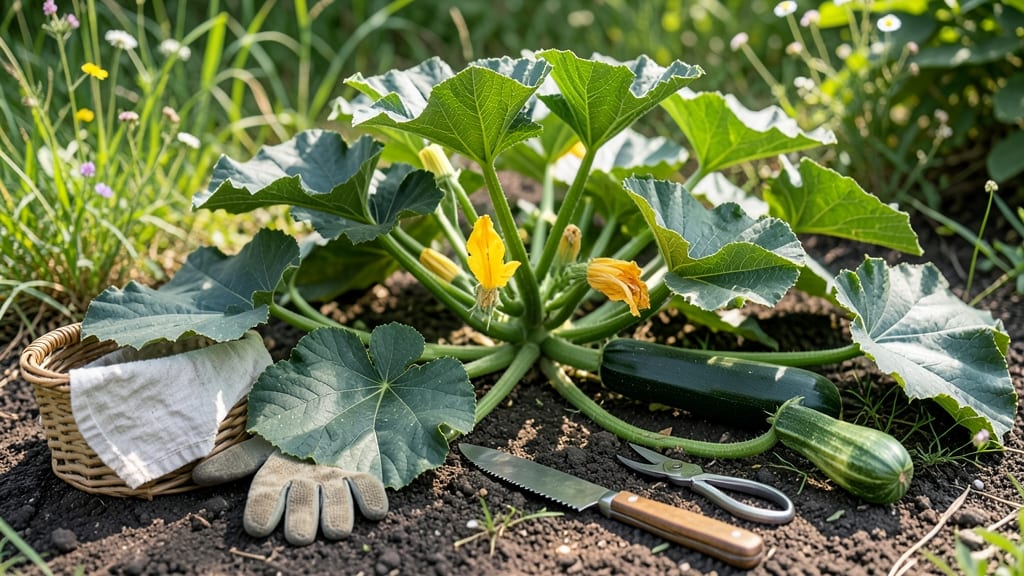
Do you pick zucchini when the flower falls off? That’s your cue to harvest—if you wait too long, you’ll end up with oversized, seedy vegetables instead of the tender, flavorful ones you crave.
I’ve seen gardeners hesitate, wondering if they should pick now or wait a few more days. The truth is, timing is everything—harvest too early, and you stunt the plant’s productivity; too late, and you’re left with bitter, woody zucchini that’s nearly inedible.
In this guide, I’ll break down the exact signals to watch for—like fruit size, skin firmness, and the telltale wilt of the flower—so you never miss the perfect moment. You’ll also learn how often to harvest and what to do if you’ve already let a few slip past their prime.
Whether you’re a first-time gardener or a seasoned grower, these tips will help you keep your zucchini plants producing like machines all summer long.
The science behind zucchini harvest timing: when to pick after flower drop
The moment a zucchini flower drops is a critical signal for harvest timing, but it’s not the exact moment to pick. Understanding the biological process behind this cue helps you determine the perfect harvest window for peak flavor and texture.
After pollination, the flower wilts and falls off, signaling the fruit has begun developing. However, the fruit needs 4-7 days more to reach ideal maturity.
Zucchini development follows a predictable timeline post-flower drop. The flower’s wilting indicates fertilization has occurred, but the fruit’s cell division and growth continue. Waiting too long after the flower falls risks overripe fruit, while harvesting too soon means underdeveloped zucchini.
The sweet spot balances size, firmness, and nutritional quality.
The 4-7 day window after flower drop is when zucchini reaches its peak harvest maturity. During this time, the fruit grows rapidly, developing tender flesh and minimal seeds. Harvesting within this window ensures you get sweet, firm zucchini with the best texture for cooking or eating raw.
This timing also encourages the plant to produce more flowers and fruit.
Zucchini flavor and texture change dramatically based on harvest timing. When picked at 4-7 days post-flower drop, the fruit has thin, tender skin and few seeds. The flesh remains crisp and sweet, ideal for grilling, sautéing, or spiralizing.
Waiting beyond this window leads to woody texture and bitter taste as seeds develop and flesh thickens.
Biologically, zucchini fruit development involves cell elongation and starch conversion into sugars. The 4-7 day window aligns with when these processes optimize the fruit’s palatability. After this period, the plant redirects energy toward seed maturation, reducing the fruit’s quality.
Understanding this process helps you time harvests precisely for the best results.
For consistent harvests, monitor your zucchini plants daily after flowers drop. Look for size progression and skin firmness as secondary cues. Some varieties, like round zucchini, may mature slightly faster than long varieties.
Adjust your timing based on these visual clues while keeping the 4-7 day rule as your guide.
Harvesting at the right time also boosts plant productivity. Removing mature zucchini signals the plant to produce new flowers and fruit. This continuous cycle ensures a steady harvest throughout the growing season.
Neglecting to pick can lead to overloaded vines, which may stress the plant and reduce future yields.
If you’re unsure whether to harvest, use the "thumb test". Gently press the zucchini—if it yields slightly but doesn’t feel mushy, it’s ready. Combine this with the 4-7 day rule for foolproof timing. This method works for all zucchini varieties, from classic green to yellow or striped types.
Remember, zucchini growth is light-dependent. Plants receiving 6-8 hours of sunlight daily will produce fruit faster than those in partial shade. Adjust your harvest schedule based on your local climate and sun exposure.
In hotter regions, zucchini may mature slightly quicker, while cooler areas may extend the 4-7 day window.
By mastering the science behind zucchini harvest timing, you’ll enjoy homegrown zucchini at its best—sweet, tender, and full of flavor. Pay attention to the flower drop signal, monitor growth, and harvest within the critical window for a rewarding gardening experience. 🌱
How to tell if your zucchini is ready to harvest (beyond the flower)
Harvesting zucchini at the right moment ensures peak flavor and tender texture. While the flower dropping is a key signal, it’s not the only cue. Understanding fruit size, skin texture, and stem separation will help you avoid common mistakes like harvesting too early or too late.
Let’s break down the exact visual and tactile clues to look for.
Most gardeners know zucchini should be 6-8 inches long when harvested, but the flower’s condition is equally important. A wilted or fallen flower indicates the fruit is nearing maturity, but it’s not the only factor.
For example, round varieties like ‘Eight Ball’ may be ready slightly earlier than long varieties like ‘Black Beauty’. Always check multiple cues to avoid disappointment.
🌱 Numbered Highlights: The 5 Key Cues for Harvest-Ready Zucchini
- 1. Fruit Size: Aim for 6-8 inches long (or 4-6 inches wide for round varieties). Smaller zucchini are tender and sweeter, while larger ones become seedy and tough.
- 2. Flower Condition: The flower wilts or falls off 4-7 days before peak harvest. If it’s still fully open and vibrant, wait a few more days.
- 3. Skin Texture: Gently press the fruit—it should yield slightly (like a ripe avocado) but not feel mushy. A very firm skin means it’s underripe.
- 4. Stem Separation: Twist the zucchini gently at the stem. If it detaches cleanly with minimal resistance, it’s ready. A tight connection means it needs more time.
- 5. Color Consistency: Look for a deep, even green hue. Yellowing or uneven patches signal overripeness.
✅ Pro Tip: Harvest in the morning when fruits are cool and hydrated for the best texture.
Harvesting too early results in underdeveloped fruit with poor flavor, while waiting too long leads to bitter, seedy zucchini that’s less enjoyable to eat. For example, if your ‘Gold Rush’ zucchini (a yellow variety) reaches 6 inches but the flower is still clinging, wait 1-2 more days.
Always prioritize skin texture and stem separation over size alone.
Different zucchini varieties mature at slightly different rates, so adjust your timing accordingly. Round zucchini like ‘Patio Star’ often mature faster (ready in 45-50 days) compared to long varieties like ‘Defender’ (ready in 50-60 days).
Keep a harvest journal to track your plants’ unique rhythms. This helps you refine your timing for future seasons.
One common mistake is assuming a fallen flower means instant harvest readiness. In reality, the flower drops 3-5 days before the zucchini reaches peak flavor. Use this time to monitor the fruit’s growth rate—if it’s growing rapidly, harvest sooner; if it’s slowing down, wait a day or two.
Consistency in watering and sunlight also impacts maturity.
Once you’ve mastered these cues, you’ll enjoy sweet, tender zucchini every time. Remember, regular harvesting encourages more production—your plants will reward you with a bountiful harvest all season long. Happy harvesting! 🌿