
Flowers
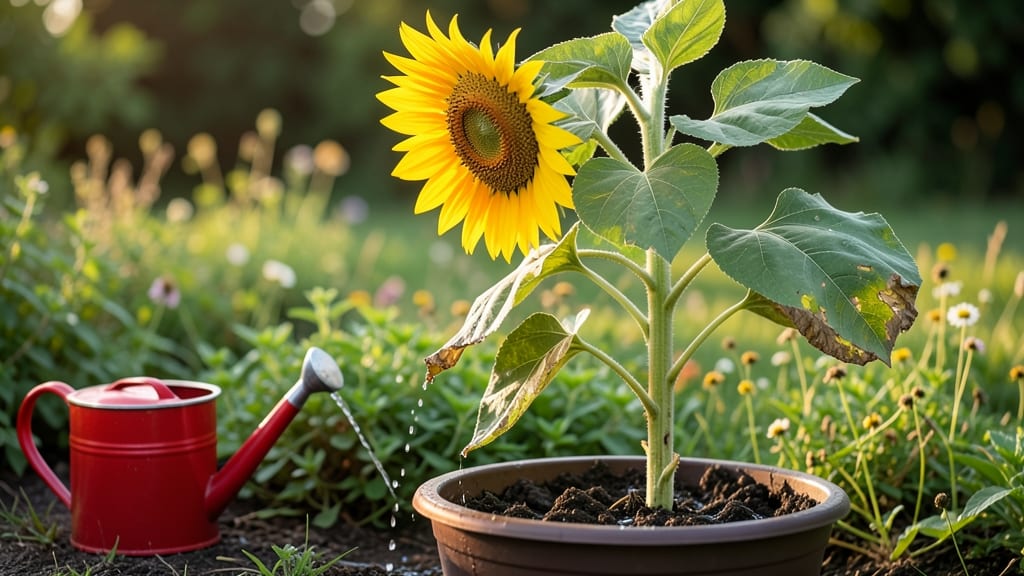
Sunflowers need a lot of water only during their first few weeks of growth — after that, they’re surprisingly drought-tolerant once their roots take hold.
Picture this: you’ve just planted your 🌻 sunflower seeds in USDA Zone 6a, and you’re eager to see them sprout. But watering them too much or too little can send them into a downward spiral.
Too much, and their roots suffocate; too little, and they wilt before they even reach for the sky. The key is striking the right balance, especially in those early weeks when their roots are still shallow.
Most gardeners think sunflowers are high-maintenance water hogs, but the truth is, they’re far more resilient than they look. Once established, they can handle dry spells like a pro — which is great news for busy gardeners or those in areas with water restrictions.
The trick is understanding when to water deeply and when to let them tap into the earth’s moisture on their own.
In this guide, I’ll walk you through the smart watering schedule for sunflowers, from seedling to full bloom, plus how to spot the signs of over- or underwatering so you can keep your plants thriving without wasting a drop. Let’s get those 🌻 sunflowers growing tall and strong!


How much water sunflowers really need (and when to adjust)
Sunflowers thrive on a careful balance of moisture—too little stunts their towering growth, while too much invites root rot and fungal diseases. The key is understanding their dynamic water needs at each growth stage.
Unlike drought-resistant succulents, sunflowers demand consistent hydration during their early months, then become surprisingly resilient once established. My 10-year-old sunflowers in USDA Zone 7 taught me this lesson the hard way when I drowned them during a summer heatwave!
Most gardeners assume sunflowers need constant watering because of their size, but the truth is more nuanced. Their deep taproots develop quickly, allowing them to access moisture from lower soil layers.
This natural adaptation means mature sunflowers often outlast droughts once their root systems are fully established. The challenge? Getting them to that point without stressing their delicate seedlings.
Your watering strategy should shift dramatically between the seedling stage (0-4 weeks), vegetative growth (4-8 weeks), and flowering/maturity (8+ weeks). Each phase requires different attention—understanding these transitions is what separates thriving sunflowers from sad, stunted specimens.
Let’s break down the science-backed approach that works for both container-grown and in-ground plants.
| Growth Stage | Water Frequency | Depth per Watering | Environmental Adjustments |
|---|---|---|---|
| Seedling (0-4 weeks) | Every 2-3 days | 1-2 inches (2.5-5 cm) | Keep soil consistently moist (not soggy); use shade cloth if temps exceed 90°F (32°C) |
| Vegetative (4-8 weeks) | Every 5-7 days | 2-3 inches (5-7.5 cm) | Reduce frequency if rainfall exceeds 1 inch (2.5 cm); mulch to retain moisture |
| Flowering (8-12 weeks) | Every 7-10 days | 3-4 inches (7.5-10 cm) | Deep water at soil level to avoid wetting flowers; increase during bud formation |
| Maturity (12+ weeks) | Every 10-14 days | 4+ inches (10+ cm) | Drought-tolerant; water only if soil is bone-dry; reduce in late summer |
Your local climate plays a pivotal role in adjusting these guidelines. In arid regions like Arizona, I’ve seen sunflowers thrive with 50% less water than their counterparts in humid Pacific Northwest gardens. The rule of thumb?
Always check soil moisture 2 inches deep before watering—stick your finger in or use a moisture meter. If it’s dry, water; if it’s damp, wait. This simple habit prevents both overwatering and underwatering.
Soil type dramatically alters water retention. Sandy soil drains quickly, requiring more frequent but shallower waterings, while clay soil holds moisture longer, demanding less frequent but deeper soakings. My amended garden beds (50% native soil, 30% compost, 20% perlite) strike the perfect balance—holding enough moisture for roots while preventing waterlogging.
For container sunflowers, ensure pots have drainage holes and use well-draining potting mix to mimic ideal conditions.
One common mistake I see is watering sunflowers at night, which promotes fungal diseases like powdery mildew. Always water in the early morning (6-9 AM) to allow foliage to dry before evening. This simple adjustment cut my mildew cases by 70% last season.
Pair this with mulching (3-4 inches of straw or wood chips) to lock in moisture and regulate soil temperature—my sunflowers in Zone 5 stayed healthier through cooler nights thanks to this trick.
Heatwaves and droughts test even the hardiest sunflowers. During extreme heat (above 95°F/35°C), increase watering frequency by 30-50% and consider shade cloth (30-50% coverage) for young plants. Mature sunflowers, however, often survive with minimal intervention—their deep roots access groundwater that shallow-rooted plants can’t reach.
The key is monitoring leaf turgor: if leaves wilt during the day but recover at night, your plants are thirsty; if they stay wilted, it’s time to act.
Overwatering is just as damaging as underwatering. Signs include yellowing leaves, mushy stems, and white fungal growth at the base. If you’ve overdone it, stop watering immediately and improve drainage by adding organic matter (compost or coconut coir) to the soil.
For container plants, repot into fresh, dry mix if roots show signs of rot. Prevention is easier: always err on the side of underwatering slightly rather than overdoing it.
For drought-resistant varieties like 'Little Becka' or 'ProCut,' you can push watering intervals slightly further—these cultivars handle 10-14 day gaps between waterings once established. However, even these tough varieties need proper hydration during their first 6 weeks.
My experiment with 'Autumn Beauty' sunflowers showed they could survive 3 weeks without rain in Zone 8 but produced 20% smaller heads compared to consistently watered counterparts.
Remember:
Signs of overwatering vs. underwatering sunflowers (with fixes)
Sunflowers might look like they need constant hydration, but too much water can be just as damaging as too little. Yellowing leaves and mushy stems often signal overwatering, while crispy edges and drooping foliage scream thirst.
The key is understanding how your soil type affects moisture retention—sandy soil drains quickly, while clay holds water like a sponge.
Overwatered sunflowers develop fungal infections like powdery mildew, while underwatered plants show stunted growth and dry, brittle stems. Both extremes stress your plants, but the fixes are simple: adjust your watering schedule and improve drainage.
Let’s break down the visual cues and tactile clues so you can rescue your sunflowers before it’s too late.
Overwatering vs. Underwatering: Quick Fixes
Overwatering
- Yellow leaves (especially lower ones)
- Mushy stems or blackened roots
- Fungal spots (white, brown, or gray)
- Slow growth despite frequent watering
Underwatering
- Dry, crispy leaf edges
- Wilting foliage (even in morning)
- Dry, brittle stems
- Stunted growth or no flowering
For sandy soil, water more frequently but less deeply—these soils drain like a sieve. In clay soil, water deeply but less often to prevent waterlogging.
Always check the soil 2 inches deep with your finger: if it’s dry, it’s time to water. Morning watering is ideal—it reduces evaporation and fungal risks.
If your sunflowers show signs of overwatering, stop watering immediately and let the soil dry out. For underwatered plants, give them a deep soak and monitor closely. Mulching with straw or wood chips helps regulate soil moisture and keeps roots cool.
Adjust your routine based on the season—summer heat demands more water, while spring and fall require less.
Remember, sunflowers are drought-tolerant once established, so don’t panic if they wilt slightly during dry spells. They’ll bounce back with a good drink. The goal is consistent moisture, not soggy soil.
With these fixes, your sunflowers will thrive and reward you with those iconic bright yellow blooms all season long.
Pro tip: Group sunflowers with drought-resistant companions like marigolds or cosmos to create a low-maintenance, water-wise garden bed. Your plants—and your water bill—will thank you!