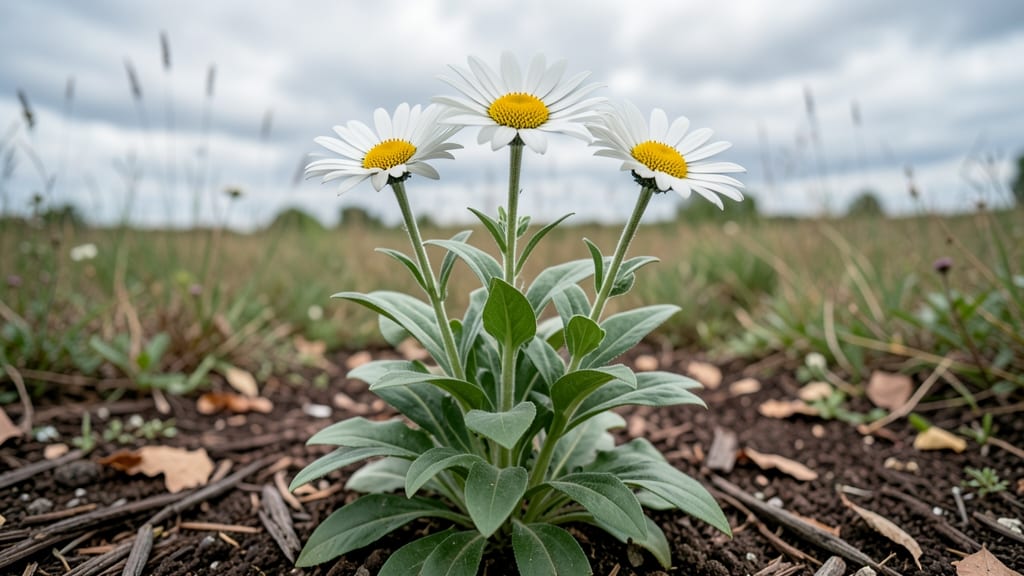
Daisies flower in spring through fall, but the exact timing depends on whether you’re growing perennials like Shasta daisies or annuals like gerbera daisies.
Picture this: your garden bursts into color in May, but by July, the blooms start fading—unless you know how to pick the right varieties and care for them. That’s the secret to extending those cheerful faces from early summer right up until frost.
Perennial daisies, like the classic Shasta daisy, typically bloom from June to August, while annuals like African daisies can stretch their show from May through October. The key? Choosing varieties that overlap in bloom seasons and giving them the right conditions.
In this guide, I’ll break down the flowering windows by popular daisy types, share seasonal care tips to keep them blooming longer, and help you plan a garden that stays vibrant from spring to fall.
When daisies bloom: flowering months by popular variety
Daisies bring effortless charm to gardens, but their flowering windows vary dramatically by variety and climate. Some burst into bloom in early spring, while others shine in late fall. Understanding these differences helps you create a year-round color show—even in USDA zones 3-10.
Let’s explore the blooming seasons of 10 popular daisies and how to adapt care for your region.
First, know that perennials return yearly but may need seasonal deadheading to prolong blooms, while annuals offer one season of vibrant color but require succession planting for continuous displays.
For example, Gerbera daisies (annuals) thrive in summer heat but wilt in frost, while Shasta daisies (perennials) bounce back each spring with minimal care. Let’s dive into their peak bloom months and regional adjustments.
🌼 Daisy Flowering Timeline by Variety 🌼
| Variety |
Type |
Peak Bloom Months (USDA 6a) |
USDA Zones |
Notes |
| Gerbera Daisy |
Annual |
June–September |
8–11 |
Heat-loving; deadhead for prolonged blooms. Avoid frost. |
| Oxeye Daisy |
Perennial |
July–September |
3–9 |
Drought-tolerant; attracts pollinators. Cut back in early spring. |
| Shasta Daisy |
Perennial |
June–August |
5–9 |
Classic white blooms; divide clumps every 3–4 years. |
| Coneflower (Echinacea) |
Perennial |
July–October |
3–8 |
Late-season favorite; thrives in poor soil. Deadhead for second flush. |
| African Daisy (Osteospermum) |
Annual/Perennial |
May–Frost |
8–11 (perennial in zones 10–11) |
Heat-resistant; pinch back for bushier growth. |
| Black-Eyed Susan |
Perennial |
July–September |
3–9 |
Golden-yellow blooms; wildlife magnet. Tolerates dry conditions. |
| Painted Daisy |
Perennial |
April–June |
5–9 |
Early bloomer; thrives in part shade. Spreads via self-seeding. |
| Swiss Chard (Floret Varieties) |
Annual |
June–October |
2–11 |
Edible flowers; harvest young blooms for salads. |
| Feverfew |
Perennial |
June–September |
4–9 |
Medicinal; white daisy-like flowers. Spreads aggressively. |
| Dendranthema (Chrysanthemum) |
Perennial/Annual |
September–November |
5–9 |
Fall favorite; pinch in early summer for compact growth. |
How to extend daisy blooms: seasonal care for longer flowers
Daisies thrive on consistency, but their natural blooming windows can feel too short.
The secret to extending their flowering time lies in understanding their seasonal needs. Perennial daisies like Shasta or Gerbera often bloom in late spring to early fall, while annuals like African Daisy shine from summer to frost.
With the right care, you can push these windows by 4-6 weeks—or even longer!
Start with deadheading, the simplest trick to encourage more blooms. When you remove spent flowers, you signal the plant to redirect energy into new buds. For continuous blooming, pair this with soil nutrition tweaks and light adjustments.
Let’s break down the steps to keep your daisies in peak bloom from spring to fall.
-
1
Deadhead weekly to remove spent blooms. Use clean pruners and cut just above the lowest set of leaves. This prevents seed formation and encourages new flower production. For Shasta daisies, do this every 3-5 days during peak bloom.
-
2
Fertilize in stages: Use a balanced 10-10-10 fertilizer in early spring to boost growth, then switch to a low-phosphorus formula (like 5-5-5) during summer blooming. Apply every 4-6 weeks and water deeply afterward to prevent root burn.
-
3
Adjust light exposure for seasonal changes. In summer, ensure 6+ hours of direct sun daily. For fall bloomers like Chrysanthemum daisies, gradually reduce light to 4-5 hours as days shorten to trigger autumn flowering.
-
4
Layer varieties for sequential blooming. Plant early spring bloomers like Oxeye Daisy alongside summer favorites such as Gerbera. Add fall varieties like Autumn Joy Sedum (a daisy relative) to bridge gaps. This creates a non-stop color show from May to October.
-
5
Mulch strategically to regulate soil temperature. Use 2-3 inches of organic mulch (like shredded bark) in early spring to protect roots. In summer, switch to straw mulch to retain moisture and cool roots. Remove mulch in fall to allow soil to cool for winter dormancy.
Don’t overlook watering habits—they’re critical for extending blooms. Water deeply in the morning to reduce evaporation and fungal risks. In hot climates, increase frequency to every 5-7 days, but avoid wetting foliage. For container-grown daisies, check soil moisture daily during peak summer heat.
With these techniques, your daisies can bloom 2-3 weeks earlier in spring and 3-4 weeks later in fall. For example, Shasta daisies often start blooming in June but can be coaxed into May with early fertilization.
Pair this with fall-blooming varieties like Autumn Joy Sedum, and you’ll enjoy daisy-like flowers until November.
Pro tip: Keep a gardening journal to track which varieties perform best in your climate. Note the exact dates of first and last blooms each year. Over time, you’ll refine your approach to create a year-round daisy display that rivals any meadow! 🌼✂️🌿
★★★★★4.6(4 reviews)