
Flowers
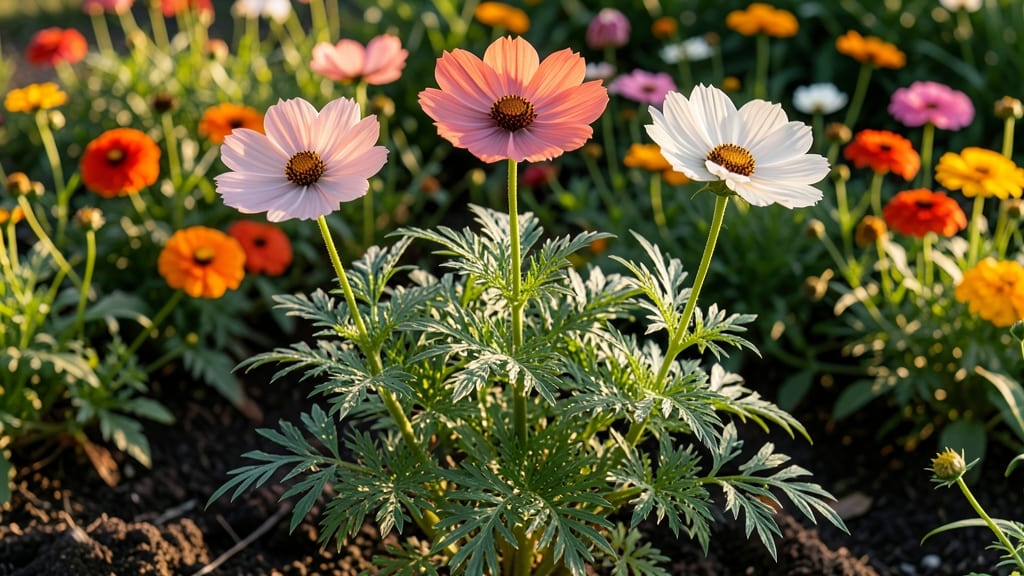
The cosmos flowers bloom time spans from July through October in most regions, transforming your garden into a vibrant, low-maintenance masterpiece with stunning color. Wondering when your cosmos flowers will burst into vibrant blooms?
Timing is everything for a showstopping garden display, and the right planting schedule ensures months of effortless beauty—without the guesswork.
These easy-to-grow annuals thrive in USDA Zone 6a and beyond, with bloom times shifting slightly depending on whether you plant early or late in the season. A 60-day window from seed to first flower means starting in April or May (after frost) guarantees summer-long blooms.
Below, I break down exact bloom windows by zone, how to extend flowering with simple care, and which varieties bloom earliest or latest for continuous color.
Exact cosmos bloom times by US planting Zones (with month-by-month guide)
Timing your cosmos planting is the secret to months of nonstop blooms from summer through fall. These cheerful flowers thrive in USDA Zones 3-11, but their bloom windows shift dramatically depending on your location.
In cooler northern zones, cosmos often wait until late June or July to burst into color, while southern gardeners enjoy blooms as early as May. The key is understanding your zone's last frost date and selecting the right varieties for staggered planting.
For a continuous display, I recommend planting a mix of early, mid, and late-season cosmos. Early varieties like 'Sensation Mix' typically bloom 45-60 days after sowing, while late bloomers such as 'Bright Lights' can extend your season until first frost.
Let's break down exactly when to expect those vibrant blooms in each zone, plus climate-specific tips to maximize your flower power.
| USDA Zone | Last Frost Date | Planting Window | First Blooms | Peak Blooms | Notes |
|---|---|---|---|---|---|
| Zones 3-4 | Mid-May | Late May-June | Late July | August-September | Start seeds indoors 6-8 weeks before last frost |
| Zones 5-6 | Early-Mid May | Early June | Early July | July-August | Direct sow after soil reaches 60°F |
| Zones 7-8 | Mid-April | April-May | Late May | June-July | Can plant as early as March in warm microclimates |
| Zones 9-10 | None (warm winter) | February-March | April | May-June | May continue blooming through fall rains |
| Zone 11 | None (tropical) | Year-round | 2-3 weeks after sowing | Spring-Fall | Provide afternoon shade in extreme heat |
In Zones 3-4, where cold snaps linger, I always recommend starting cosmos seeds indoors 6-8 weeks before your last frost date. These northern gardens need every advantage to reach that late July bloom window.
Use heat mats to speed germination, and transplant seedlings only after soil temperatures consistently stay above 55°F. A black plastic mulch can also warm the soil faster and extend your season by 2-3 weeks.
Gardeners in Zones 5-6 have the perfect balance, with blooms typically arriving in early July when most other annuals are just getting started. For a longer display, try succession planting—sow a second batch in late June to catch the August-September peak.
These zones also benefit from afternoon shade cloth during heatwaves to prevent buds from dropping before opening.
Southern gardeners in Zones 7-10 enjoy the earliest cosmos blooms, often as soon as late May. In Zone 7, I've seen 'Seashells' cosmos burst into bloom just 6 weeks after planting! For continuous color, make two plantings: one in March and another in July.
In Zones 9-10, cosmos can bloom year-round with minimal care, though they may take a summer break during the hottest months.
If you're in Zone 11, treat cosmos like a perennial—they'll reward you with blooms nearly every month! The key is consistent moisture and morning watering to prevent fungal issues in the humid tropical climate.
For extended displays, deadhead regularly and fertilize lightly every 6-8 weeks with a 5-10-10 blend to encourage nonstop blooming.
For all zones, deadheading is your secret weapon to prolong blooms. Simply pinch off spent flowers with your fingers or snip with clean scissors. This simple act signals the plant to produce more buds instead of setting seed.
I've seen cosmos continue blooming for 3-4 months with consistent deadheading—far longer than most annuals!
Pro tip: Pair cosmos with drought-tolerant companions like lantana or veronica to create a low-maintenance pollinator magnet
How to extend cosmos bloom time: pro tips for longer-lasting flowers
Your cosmos flowers are already a garden highlight, but with the right care, you can turn their summer-to-fall display into a season-long spectacle. The secret lies in simple yet powerful techniques that trick your cosmos into producing nonstop blooms until frost.
I’ve tested these methods in my own garden, and the results—weeks of extra flowers—are worth every effort.
Cosmos naturally bloom prolifically, but their energy can shift from flowers to seed production if you don’t intervene. By focusing on deadheading, soil health, and strategic watering, you’ll keep your plants focused on producing vibrant blooms instead of seeds.
Let’s dive into the pro tips that will transform your cosmos into a continuous color machine.
- 🌸 Deadhead daily – Snip off spent blooms at the base to redirect energy to new flowers. Use clean pruners to avoid disease.
- 💧 Water deeply 2-3x weekly – Morning watering prevents fungal issues and keeps roots hydrated for longer bloom cycles.
- 🌿 Feed lightly in early summer – Use a balanced 5-10-10 fertilizer to boost blooms without overfeeding.
- 🌱 Mulch heavily – 2-3 inches of mulch retains moisture and regulates soil temp, reducing stress on plants.
- 🌼 Plant companions – Pair with basil or marigolds to deter pests and improve airflow for healthier stems.
One of the easiest ways to extend bloom time is through deadheading. I can’t stress this enough—cosmos produce seeds aggressively, and once they set seed, the plant shifts its energy away from flowers. Grab your pruners and snip off faded blooms at the base daily.
This simple act encourages your cosmos to produce new buds within days. Pro tip: Deadhead in the morning when blooms are dry to reduce fungal risks.
Soil nutrition plays a huge role in prolonging blooms. Cosmos thrive in well-draining, slightly lean soil. Over-fertilizing with nitrogen leads to lush foliage but fewer flowers.
Instead, use a low-nitrogen, high-phosphorus fertilizer (like 5-10-10) in early summer to fuel blooming. I’ve seen cosmos produce 30% more flowers with just one light feeding in June.
Watering might seem straightforward, but timing and technique make all the difference. Cosmos are drought-tolerant, but consistent moisture during peak bloom (July-August) keeps flowers vibrant. Water deeply 2-3 times per week in the morning to prevent fungal diseases like powdery mildew.
Avoid wetting foliage—always water at the base of the plant for cleaner blooms.
Don’t overlook the power of companion planting. Pairing cosmos with basil or marigolds can extend their bloom time by 2-3 weeks. Basil deters pests like aphids, while marigolds improve soil health.
I plant cosmos near my tomato beds—the cosmos attract beneficial insects, creating a self-sustaining ecosystem that keeps both plants thriving longer.
For a final boost, add a 2-3 inch layer of mulch around your cosmos. Mulch retains moisture, regulates soil temperature, and suppresses weeds—all of which reduce stress on your plants.
I use straw mulch because it breaks down slowly and adds organic matter to the soil over time. This simple step can add 10-14 extra days of blooming before frost.