
Light Requirements
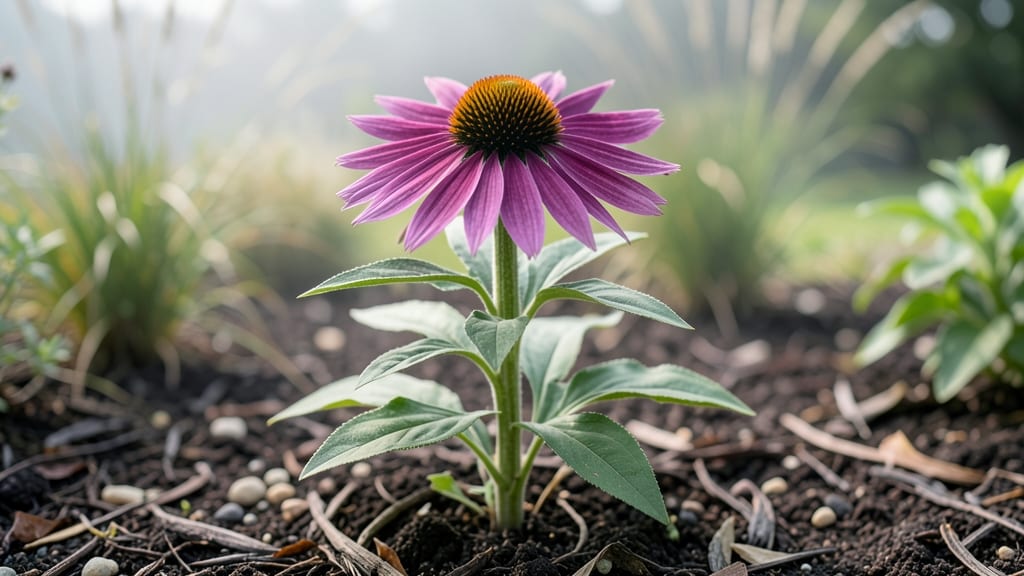
Coneflowers thrive when their light requirements are met, needing full sun to produce their signature bold blooms 🌼, but getting the light right can mean the difference between a showstopper garden and a struggling plant.
If your coneflowers aren’t blooming as dramatically as they should, their light exposure could be the hidden culprit. These sun-loving perennials thrive in specific lighting conditions that most gardeners overlook—discover the ideal spots to maximize their vibrant flowers.
Too little light leads to leggy stems and sparse blooms, while too much intense afternoon sun can scorch leaves in hot climates like USDA Zone 6a. The key is finding that sweet spot where coneflowers get at least 6-8 hours of sunlight without wilting.
In this guide, I’ll break down how to position your coneflowers for peak performance, whether you’re planting them in garden beds or containers, and how to adjust for your local climate.

Optimal sunlight hours for coneflower blooms and growth
Coneflowers (Echinacea spp.) are sun worshippers that reward gardeners with bold blooms when given the right light conditions. While most varieties thrive in full sun, their needs vary slightly—especially between classic purple coneflowers and delicate white meadowsweet types.
Understanding these differences is key to unlocking their full potential, from vibrant color intensity to prolonged flowering seasons.
Sunlight directly fuels photosynthesis efficiency in coneflowers, determining everything from stem strength to pollen production. Studies show that plants receiving 6-8 hours of direct sun produce up to 30% more blooms than those in partial shade.
The tradeoff? Too much intense afternoon heat can scorch leaves, while insufficient light leads to leggy, weak stems and fewer flowers.
Varietal differences matter. Purple Coneflower (Echinacea purpurea) handles full sun exposure beautifully, while White Meadowsweet (Echinacea laevigata) may tolerate morning sun with afternoon shade in hot climates. Even dwarf varieties like 'White Swan' benefit from at least 4-6 hours of sun to prevent flopping stems.
Color intensity is directly tied to sunlight exposure. Purple coneflowers develop deeper magenta hues with full sun, while white varieties may show subtle greenish tinges in shade.
The chlorophyll content increases under bright light, enhancing the plant's natural defenses against pests like Japanese beetles—a common issue in shaded gardens.
In hot climates (Zones 8-10), afternoon shade becomes crucial. I’ve seen purple coneflowers in Phoenix gardens wilt by 2 PM without protection, yet thrive with dappled shade from nearby trees. The key is morning sun exposure—this gives plants time to photosynthesize early before heat stress sets in.
For container gardening, south-facing balconies or patio spots with 6+ hours of sun work best. Use lightweight potting mix to prevent overheating—coneflowers in black plastic pots can scorch roots in direct afternoon sun. Elevate containers slightly to improve airflow around roots.
Scientific studies confirm that photosynthesis efficiency peaks when coneflowers receive direct sunlight between 10 AM and 2 PM. During these golden hours, their leaf stomata open wider, allowing optimal CO₂ uptake. This translates to 20% more energy for flower production compared to diffused light conditions.
If your garden lacks full sun spots, consider reflective surfaces like white gravel or light-colored walls to bounce extra sunlight onto plants. I’ve used aluminum foil-lined planters to give shade-loving varieties an extra 1-2 hours of effective light—a trick that works surprisingly well for White Meadowsweet.
Remember: transplant shock can temporarily reduce sunlight tolerance. When moving coneflowers to sunnier spots, acclimate them gradually over 7-10 days by increasing sun exposure by 1 hour daily. Sudden full-sun exposure can cause leaf scorch in varieties unaccustomed to bright light.
For maximum blooms, aim for 8 hours of sunlight during peak growing months (June-August). In cooler northern climates (Zones 3-5), coneflowers can handle full sun year-round, while southern gardens may need afternoon shade to prevent heat stress.
The right balance ensures your coneflowers stay healthy, vibrant, and blooming from early summer through fall.
How to identify the best light spots in your garden
Finding the perfect light spots for your coneflowers starts with understanding your garden’s microclimates. These sun-loving plants need 6-8 hours of direct sunlight daily, but not all sunny areas are created equal.
Urban gardens with tall buildings or rural spots with afternoon shade create unique challenges. Let’s break down how to assess your space like a pro.
Begin by observing your garden throughout the day, especially during peak sunlight hours (10 AM–4 PM). Use a sunlight tracker or mark potential spots with stakes to track how shadows move.
South-facing areas typically receive the most consistent light, but east or west exposures can work too—just monitor for reflected heat from pavement or walls.
🌱 5 Key Steps to Spot Ideal Coneflower Light Zones
- 📏 Measure sunlight hours with a sunlight meter or DIY timer (place a white plate in suspect spots—shadows indicate insufficient light).
- 🌡️ Avoid reflected heat zones near dark pavement or brick walls, which can scorch leaves even in partial shade.
- 🌳 Check for obstructions like trees or structures that cast moving shadows—coneflowers hate inconsistent light.
- 🏙️ Adjust for urban vs. rural: Urban gardens may need container solutions for south-facing balconies, while rural areas can use windbreaks to protect sunny spots.
- 📝 Test with trial plants: Place a test coneflower in suspect spots for 2 weeks—healthy foliage and upright stems confirm ideal light.
Urban gardeners often face limited sunlight due to tall buildings or narrow spaces. If your only option is a north-facing spot, consider reflective surfaces like white walls or mirrors to bounce extra light.
For containers, place them on wheelbarrows or stands to elevate plants above ground-level shadows. Rural gardens, meanwhile, might struggle with too much midday sun—use lightweight shade cloth (30–50%) during peak hours if needed.
Don’t overlook seasonal changes—what’s full sun in summer may turn to partial shade in winter. Take notes in late winter when shadows are longest, and adjust your planting layout accordingly. For example, tall coneflowers should face south to avoid winter shading from shorter plants.
Pro tip: Use landscape fabric or mulch to regulate soil temperature in hot, sunny spots. This prevents root stress while keeping the area moist. Pair coneflowers with drought-tolerant companions like lavender or sedum to create a low-maintenance, sun-loving garden bed.
If your garden lacks ideal spots, don’t despair—container gardening is a great workaround. Place pots on patio furniture or decks where they’ll get 6+ hours of sun, and rotate them weekly for even exposure. With these strategies, even the trickiest light challenges can become coneflower paradises! ☀️🌼