
Size
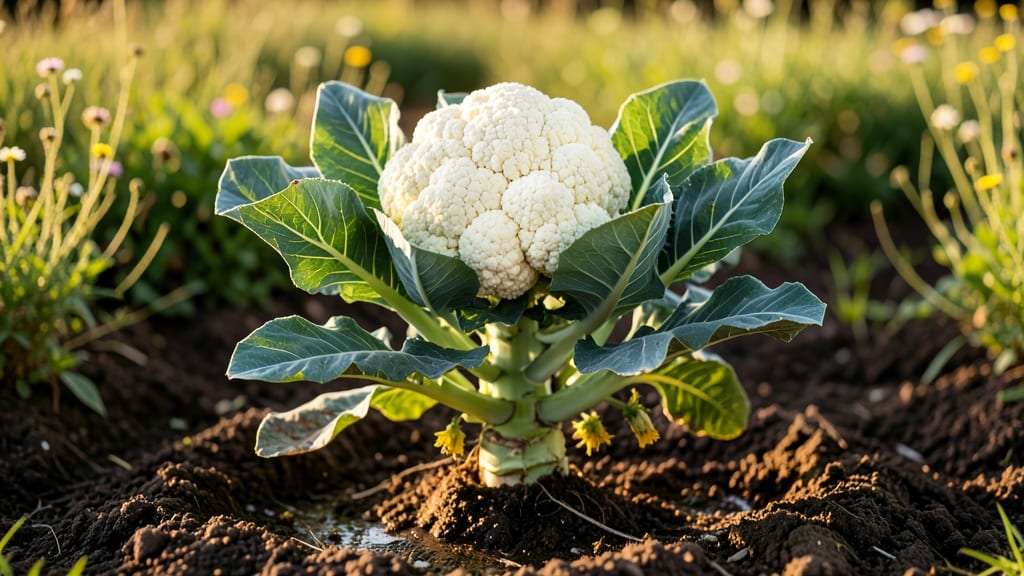
Growing cauliflower to harvest takes between 50 and 120 days, depending on the variety you choose and how you care for it.
Wondering why your 🥬 plants aren’t ready to harvest? The growth timeline varies dramatically by variety—from as little as 50 days for fast-maturing types to 120+ days for heirloom giants. This means if you plant too late in the season, you might miss the harvest window entirely.
Understanding the exact days to maturity helps you plan your garden layout and succession planting. For example, early varieties like Snowball Yield can be ready in 60-70 days, while larger heirlooms like Romanesco may take 90-120 days to reach peak harvest.
In this guide, I’ll break down the full growth cycle, from seed to harvest, and share 5 proven techniques to speed up your cauliflower’s development—so you can enjoy fresh heads in the shortest time possible.


Cauliflower growth timeline by variety: days to harvest from seed
Not all cauliflowers take the same time to reach harvest—some varieties mature in 50 days, while others need 120+ days to form those perfect curds. The key to planning your garden lies in understanding these variety-specific timelines and adjusting your planting schedule accordingly.
Whether you're growing fast-maturing hybrids for quick harvests or heirloom giants for winter storage, knowing these timelines helps you avoid disappointment.
For cooler climates, you'll need to adjust your transplant timing by starting seeds indoors earlier or using season extenders. Fast-maturing varieties like Snowball Y Improved can be planted directly in the garden as soon as soil is workable, while slower varieties like Romanesco often require a head start indoors.
Let’s break down the exact days to harvest for each category.
| Variety | Days to Harvest | Best For | Notes |
|---|---|---|---|
| Snowball Y Improved | 50-60 days | Fast harvests, short seasons | Direct sow or transplant early |
| Purple of Sicily | 60-70 days | Colorful harvests, mild climates | Heat-tolerant, great for containers |
| Romanesco | 90-110 days | Heirloom, fractal patterns | Start indoors 8-10 weeks before last frost |
| Early Snowball | 65-75 days | Early spring planting | Cold-hardy, ideal for Zone 5+ |
| Graffiti | 70-80 days | Multi-colored, ornamental | Great for cut-and-come-again harvests |
| Cheddar | 80-90 days | Orange curds, late summer | Needs consistent moisture |
| Purple Cape | 100-120+ days | Large heads, storage varieties | Plant in early spring for fall harvest |
If you're growing fast-maturing varieties like Snowball Y Improved, you can enjoy a harvest in just 50-60 days from seed. These are perfect for gardeners with short growing seasons or those who want to squeeze in multiple plantings.
For example, if your last frost date is May 15, you could direct-sow these seeds in early April and harvest by early June. The key here is to plant early—don’t wait until the soil warms up.
For mid-season varieties like Purple of Sicily or Graffiti, plan for 70-90 days to harvest. These varieties strike a balance between speed and size, making them ideal for most home gardens.
If you're in a cooler climate (USDA Zone 5 or below), start these seeds indoors 6-8 weeks before your last frost date and transplant them outdoors after the soil reaches 50°F (10°C). This timing ensures they mature before summer heat sets in, which can stress cauliflower plants.
Slow-growing varieties like Romanesco or Purple Cape require 90-120+ days and are best suited for gardeners with longer growing seasons. Romanesco, with its stunning fractal patterns, is a favorite among heirloom enthusiasts but needs 8-10 weeks of indoor starting time to avoid late-season bolting.
For these varieties, consider using season extenders like row covers or cold frames to protect young plants from early frosts or late heat waves.
One common mistake gardeners make is assuming all cauliflower varieties have the same timeline. For instance, planting a 100-day variety like Purple Cape as if it were a 60-day Snowball will leave you disappointed when it doesn’t mature in time.
Always check the seed packet for days-to-maturity and adjust your planting schedule accordingly. In cooler climates, you might need to start seeds indoors 10-12 weeks before the last frost to ensure a timely harvest.
Pro tip: Use a garden journal to track your cauliflower’s progress. Note the day you planted, when you transplanted, and any milestones like head formation. This helps you refine your timing for next year.
For example, if your Snowball Y Improved took 58 days to harvest instead of the expected 50, you’ll know to plant even earlier next time if you want to harvest sooner.
Don’t forget that transplant shock can delay maturity by a week or more. To minimize stress, harden off seedlings for 7-10 days before transplanting and water them deeply the day before and after moving them outdoors.
This simple step can shave off critical days from your growth timeline, especially for slower varieties.
For gardeners in Zone 6 and below, consider planting a mix of fast and mid-season varieties. This way, you’ll have a staggered harvest that extends from early summer into fall. For example, sow Snowball
How to speed up cauliflower growth: 5 proven techniques
If your cauliflower plants are taking longer than expected to reach harvest size, you're not alone. The key to faster growth lies in optimizing your growing conditions and care routine.
With the right techniques, you can shorten harvest time by 10-20 days, even with slower-maturing varieties. Let's explore the most effective methods to accelerate your cauliflower's development.
First, focus on soil preparation. Cauliflower thrives in well-draining, nutrient-rich soil with a pH between 6.5 and 7.0. Test your soil and amend it with compost or aged manure if needed. This foundational step ensures your plants have the energy they need to grow quickly from the start.
One of the most effective ways to boost cauliflower growth is through proper fertilization. Use a balanced fertilizer with higher nitrogen content (like 5-10-10) during the early growth stages.
Apply it every 3-4 weeks to encourage lush foliage and strong head formation. For even faster results, consider using a liquid fish emulsion every 2 weeks.
Heat stress can slow down or even stop cauliflower growth, especially in summer. Protect your plants with 30-50% shade cloth during the hottest part of the day.
This prevents bolting (premature flowering) and helps maintain steady growth. Additionally, water deeply in the morning to keep the soil consistently moist without encouraging fungal diseases.
Strategic blanching is another technique that can accelerate head formation. When your cauliflower heads begin to develop, gently tie the outer leaves around the forming head.
This creates a lighter environment that encourages tighter curds and faster maturation. Remember to check your plants regularly and adjust the leaf ties as the head grows.
For gardeners with short growing seasons, consider planting fast-maturing varieties like 'Snowball Y' (50-60 days) or 'Purple of Sicily' (60-70 days). These varieties are bred for quick harvests and can give you a head start.
Combine these varieties with the growth acceleration techniques above to maximize your yield in minimal time.
By implementing these five proven techniques, you'll create optimal growing conditions that help your cauliflower reach harvest size faster. Keep an eye on your plants and adjust your care routine as needed—your efforts will be rewarded with plump, flavorful heads in record time! 🌱