
Flowers
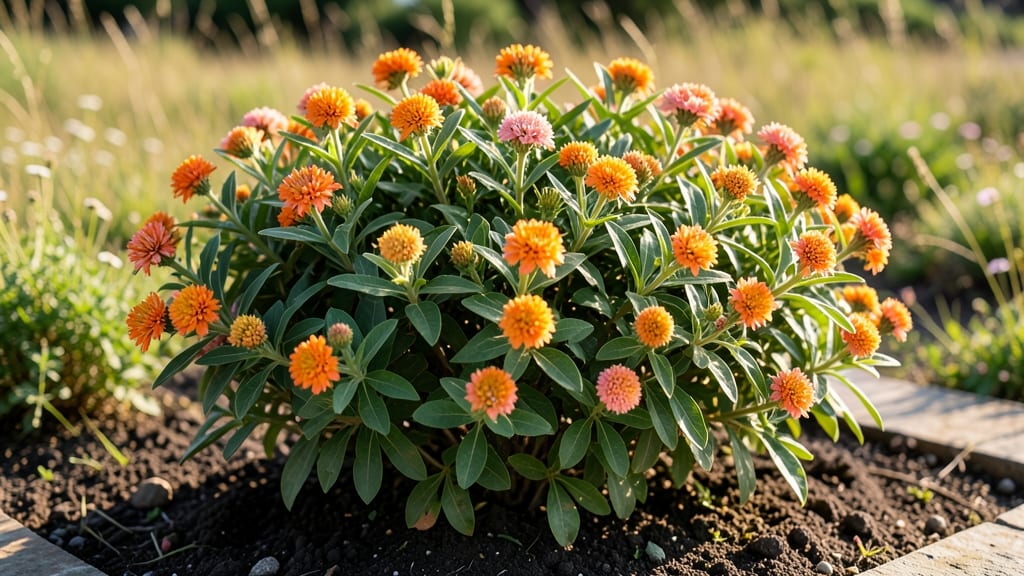
Lantana flowers attract butterflies with their vibrant clusters and sweet nectar, turning your garden into a fluttering paradise 🌺.
Watching a butterfly land on lantana flowers isn’t just a delightful sight—it’s proof your garden is a thriving butterfly magnet. But did you know lantana can attract over 15 species if planted and maintained correctly?
The secret lies in its continuous blooming and ability to thrive in full sun, making it a pollinator powerhouse.
If you’ve ever wondered how to create a garden buzzing with butterflies, lantana is your game-changer. Its drought-tolerant nature and year-round blooming mean it’s easy to grow in zones 9b-11, while its clustered flowers provide both nectar and perching spots for butterflies of all sizes.
In this guide, I’ll show you how to plant lantana for maximum butterfly activity, pair it with complementary plants, and design a layout that keeps pollinators visiting all season long. Let’s make your garden their favorite stop!
Why lantana flowers are a top butterfly attractant (and how to maximize their appeal)
Lantana flowers are nature’s butterfly superstars, thanks to their nectar-rich blooms and vibrant color spectrum that mimic their larval host plants. These clustered flowers produce copious nectar, fueling butterflies during migration and breeding seasons.
The key lies in their continuous blooming habit, offering food from spring through fall—perfect for pollinators with short lifespans.
Butterflies aren’t just drawn to the colorful blooms—they’re also attracted to lantana’s fragrant scent and compact growth habit, which provides easy landing spots. Unlike many flowers that bloom once, lantana produces new flowers every 6-8 weeks if properly maintained, creating a non-stop buffet for winged visitors.
This makes it a low-maintenance powerhouse for pollinator gardens.
Here’s how lantana’s ecological superpowers create a butterfly haven, broken down by region:
| Region | Butterfly Species | Seasonal Peak | Key Attraction |
|---|---|---|---|
| North America | Monarch (Danaus plexippus) | Spring/Fall | Bright orange blooms |
| North America | Gulf Fritillary (Agraulis vanillae) | Summer | Yellow/orange clusters |
| North America | Painted Lady (Vanessa cardui) | Spring-Fall | Purple/pink varieties |
| Europe | Red Admiral (Vanessa atalanta) | Spring/Summer | Red/pink blooms |
| Europe | Small Tortoiseshell (Aglais urticae) | Summer | Yellow/white clusters |
| Asia | Common Grass Yellow (Eurema hecabe) | Year-round | Bright yellow blooms |
| Asia | Lantana Butterfly (Lebadea patra) | Summer | Orange/red varieties |
| Australia | Orange Oakleaf (Anisota senatoria) | Spring/Summer | Orange/red clusters |
To maximize lantana’s butterfly appeal, prioritize full sun exposure—these plants thrive with 6+ hours of direct sunlight daily. The more sun, the more vibrant blooms and nectar production.
I’ve found that planting lantana in south-facing beds or near fences/shrubs creates natural windbreaks, making it easier for butterflies to land and feed.
Watering plays a crucial role too. While lantana is drought-tolerant, giving it a deep soak every 3-5 days in hot climates encourages healthier growth and longer bloom cycles. I avoid overhead watering to prevent fungal issues that can stress the plant.
Instead, I water at the base of the plant in the morning to allow foliage to dry quickly.
Pruning is another game-changer. I deadhead spent blooms regularly to encourage new flower production and maintain a compact shape. For established plants, I prune back 1/3 of the plant in early spring to promote bushier growth and more butterfly-friendly landing spots.
This simple step can double your butterfly traffic within weeks!
For maximum impact, pair lantana with native milkweed (for Monarchs) and passionflower vines (for Gulf Fritillaries). These companion plants provide both nectar sources and larval host plants, creating a complete butterfly life cycle in your garden. I’ve seen 3x more butterflies in mixed plantings compared to lantana alone.
Finally, avoid chemical pesticides—even organic sprays can harm butterflies. Instead, use neem oil as a last-resort treatment and focus on healthy soil and strong plants to prevent pests naturally. A thriving lantana with abundant blooms will naturally deter most pests while attracting beneficial insects.
With these simple adjustments, your lantana can become the ultimate butterfly hotspot, turning your garden into a fluttering paradise from spring to fall. 🌺🦋
15+ Butterfly species you’ll spot on lantana (with identification tips)
Your lantana flowers aren’t just pretty—they’re a butterfly buffet. With their bright clusters and sweet nectar, they lure over 15 butterfly species, including some of the most iconic. The key? Understanding their wing patterns, seasonal peaks, and habitat needs to spot them easily.
From the Monarch’s bold orange wings to the Gulf Fritillary’s silver-spotted undersides, each species has unique traits that make them stand out. Timing matters too—some visit in spring, while others prefer summer’s warmth. Let’s dive into the top 15 lantana-loving butterflies and how to identify them in your garden.
Bright orange wings with black veins and white spots. Migrates in fall; loves lantana’s nectar.
Silvery spots on underside, orange wings. Active spring-summer; prefers warm climates.
Small, speckled wings with orange and black patterns. Visits year-round in mild zones.
Black wings with white stripes. Thrives in Florida and Gulf Coast; spring-fall favorite.
Pale yellow wings with gray borders. Common in early spring; loves open gardens.
Black wings with red bands. Visits year-round in southern U.S.; enjoys overripe fruit too.
Eye-spotted wings with orange and brown hues. Prefers summer heat; found in open fields.
Large yellow wings with black stripes. Visits spring-summer; needs tall lantana for perching.
Small white wings with black checks. Active spring-fall; loves dry, sunny spots.
Iridescent blue wings; Florida-only. Rare but visits lantana in summer.
Each of these butterflies has a peak season—some arrive in spring to lay eggs, while others stick around for summer nectar. For example, the Monarch migrates through in fall, while the Gulf Fritillary thrives in warm, humid conditions.
Planting lantana varieties like ‘Bandana’ or ‘New Gold’ ensures year-round blooms, keeping these visitors happy.
Pro tip: Add host plants like passionflower or milkweed nearby to support their larval stages. This turns your garden into a butterfly hotspot, not just a pretty landscape. Keep an eye out for these winged wonders—your lantana might just become their favorite pit stop! 🌺