
Succulent
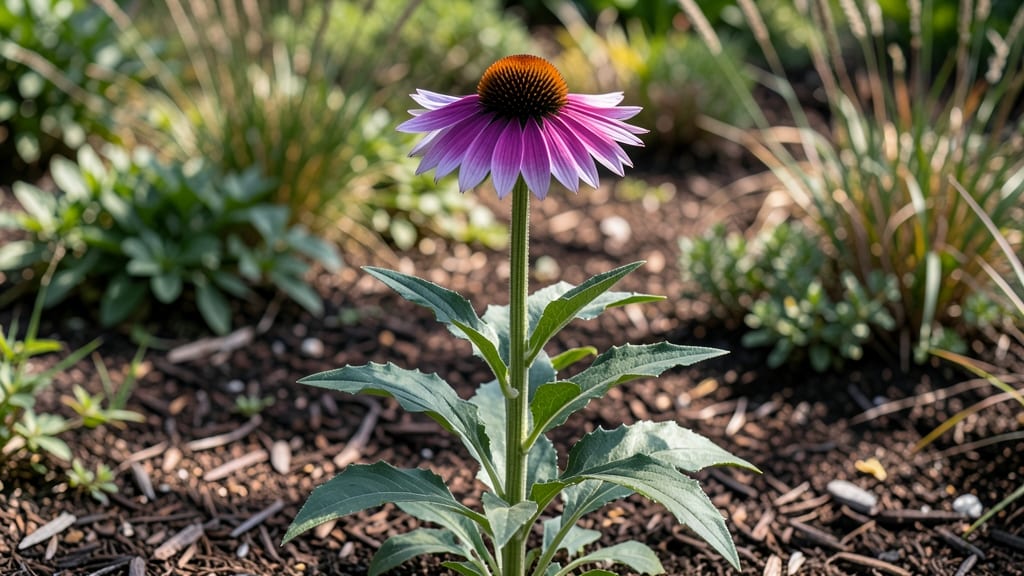
Growing blue coneflower echinacea 🌼 means months of effortless purple blooms that hummingbirds and bees can’t resist—if you nail the soil, sunlight, and timing.
If you’ve ever dreamed of a garden bursting with vibrant purple blooms that attract pollinators and thrive with minimal fuss, this hardy perennial is your go-to. The key? Planting it in well-draining soil after the last frost, giving it full sun, and spacing it just right to avoid overcrowding.
Unlike fussy annuals, blue coneflower echinacea is a low-maintenance powerhouse that rewards patience with long-lasting flowers from summer into fall. But even the toughest plants need the right care—like pruning spent blooms and protecting roots in winter—to keep them flourishing year after year.
Ready to turn your garden into a pollinator paradise? I’ll walk you through every step—from planting in April-May to winter prep—so your echinacea stays vibrant and healthy for seasons to come.
How to grow blue coneflower echinacea: planting and soil secrets for maximum blooms
If you’ve ever dreamed of a garden bursting with vibrant purple blooms that attract pollinators and thrive with minimal fuss, the blue coneflower echinacea (Echinacea purpurea) is your secret weapon. This hardy perennial rewards gardeners with months of long-lasting flowers when planted in the right conditions.
The key to unlocking its full potential lies in soil preparation, sunlight exposure, and proper spacing—all factors that directly impact bloom quantity and plant health.
Unlike many flowers that demand constant attention, blue coneflower echinacea thrives with low-maintenance care once established. However, skipping critical steps like soil amendment or correct sunlight positioning can lead to leggy stems, fewer blooms, or even plant decline.
Let’s dive into the planting and soil secrets that will transform your garden into a pollinator paradise filled with vibrant purple cones from early summer through fall.
Pro Tip: True blue coneflower doesn’t exist—what we call "blue" is actually a deep purple hue with a yellow-green center. The color intensity deepens in full sun, so choose your planting spot wisely for the most dramatic display.
The soil you choose is the foundation of your blue coneflower echinacea’s success. These plants prefer well-draining soil with a slightly alkaline pH (6.0-7.0). If your garden soil is heavy clay or overly acidic, amend it with compost or sand to improve drainage and add organic matter.
A simple soil test (available at garden centers) can reveal if your soil needs lime to raise pH or sulfur to lower it.
For container gardening, use a lightweight potting mix combined with perlite to ensure excess water drains quickly.
Avoid garden soil in pots, as it compacts and suffocates roots. Blue coneflower echinacea in containers may need more frequent watering but will still reward you with bold blooms if given the right conditions.
When it comes to sunlight, blue coneflower echinacea is a sun worshipper. Plant it in a spot where it receives at least 6 hours of direct sunlight daily. In hotter climates, provide afternoon shade to prevent wilting or sunburn.
The more sun your plants get, the darker and more vibrant their purple blooms will become—a stunning contrast to the yellow-green cone at their center.
Spacing is another often-overlooked factor that impacts bloom quantity. Plant blue coneflower echinacea 18-24 inches apart to allow proper air circulation, which reduces the risk of fungal diseases like powdery mildew. Crowding plants also leads to competition for nutrients, resulting in smaller, weaker blooms. If you’re planting in groups, consider creating a pollinator-friendly border with native grasses or wildflowers to attract bees and butterflies.
Timing your planting correctly ensures your blue coneflower echinacea gets off to a strong start. Spring planting (after the last frost date) gives roots several months to establish before winter, while early fall planting allows roots to settle before dormancy.
Avoid planting in late summer or early fall in warm climates, as the heat can stress young plants before they’ve had time to adapt.
Once planted, water deeply but infrequently to encourage deep root growth. Blue coneflower echinacea is drought-tolerant once established, but young plants need consistent moisture during their first growing season.
A 3-inch layer of mulch around the base helps retain moisture and suppress weeds, giving your plants a competitive edge.
With these planting and soil secrets, your blue coneflower echinacea will thrive and reward you with months of stunning blooms that butterflies and bees can’t resist. The key is patience—these perennials often take 2-3 years to reach their full **3-4
Year-round care tips: watering, pruning, and winter protection for blue coneflower
Keeping your blue coneflower echinacea thriving through every season is easier than you think! This hardy perennial rewards consistent care with bold purple blooms from summer through fall—and even into winter if protected properly.
The key lies in understanding its watering needs, strategic pruning techniques, and smart winter preparation. Let’s break down how to maintain your echinacea’s health year-round, whether you’re in a hot, dry climate or a cold northern zone.
One of the biggest misconceptions about echinacea is that it’s a "low-maintenance" plant that thrives on neglect. While it’s drought-tolerant, proper care—especially watering and pruning—ensures longer bloom times and stronger stems.
For example, skipping pruning can lead to leggy growth and fewer flowers, while overwatering in winter can rot the roots. Let’s tackle each season step by step to keep your plants looking their best.
- 💧 Spring: Water deeply once a week to encourage root growth. Avoid wetting foliage to prevent fungal diseases.
- ✂️ Late Spring: Prune dead or damaged stems to 2-3 inches above the base. This promotes bushier growth and more blooms.
- ☀️ Summer: Reduce watering to every 5-7 days unless in extreme heat. Deadhead spent blooms to extend flowering season.
- 🍂 Fall: Cut back all stems to 2-3 inches tall after the first frost. Apply 2-3 inches of mulch to insulate roots.
- ❄️ Winter: In USDA Zone 5 or colder, add a thick layer of straw or leaves over mulch for extra protection. Avoid watering unless soil is completely frozen.
Let’s start with watering, which is critical during the growing season (spring and summer). Echinacea has deep roots, so it prefers deep, infrequent watering rather than shallow, frequent sessions. Aim for 1-1.5 inches of water per week, delivered directly to the soil base (not the leaves).
This encourages roots to grow deeper, making your plants more drought-resistant. In containers, water every 5-7 days, as potted soil dries out faster. Always water in the early morning to reduce evaporation and fungal risks.
When it comes to pruning, timing is everything. Late spring is the best time to prune dead or damaged stems back to the base. However, avoid heavy pruning in early spring, as new growth needs energy to establish.
For bushier plants, cut back one-third of the oldest stems in early spring to encourage fresh growth. And here’s a pro tip: Never prune in fall—this can stimulate new growth that won’t harden off before winter, leading to frost damage.
As temperatures drop, winter protection becomes your top priority. Echinacea is cold-hardy (USDA Zones 3-9), but young plants or those in harsh climates need extra care. Start by cutting back all stems to 2-3 inches tall after the first frost.
Then, apply a 2-3 inch layer of mulch (straw, shredded leaves, or wood chips) around the base. For Zone 5 and colder, add an insulating layer of straw or burlap on top of the mulch.
This creates a protective barrier against freezing temperatures and prevents heaving (when roots freeze and push up out of the soil).
One common mistake I see is overwatering in winter, which can lead to root rot. Only water if the ground is completely frozen—your echinacea will survive on stored moisture. In mild winters, you might not need to water at all.
And remember, never prune in winter unless you’re removing dead or diseased stems, as this can stress the plant. With these simple steps, your blue coneflower echinacea will bounce back stronger in spring, ready to dazzle with its vibrant blooms once again.