
Flowers
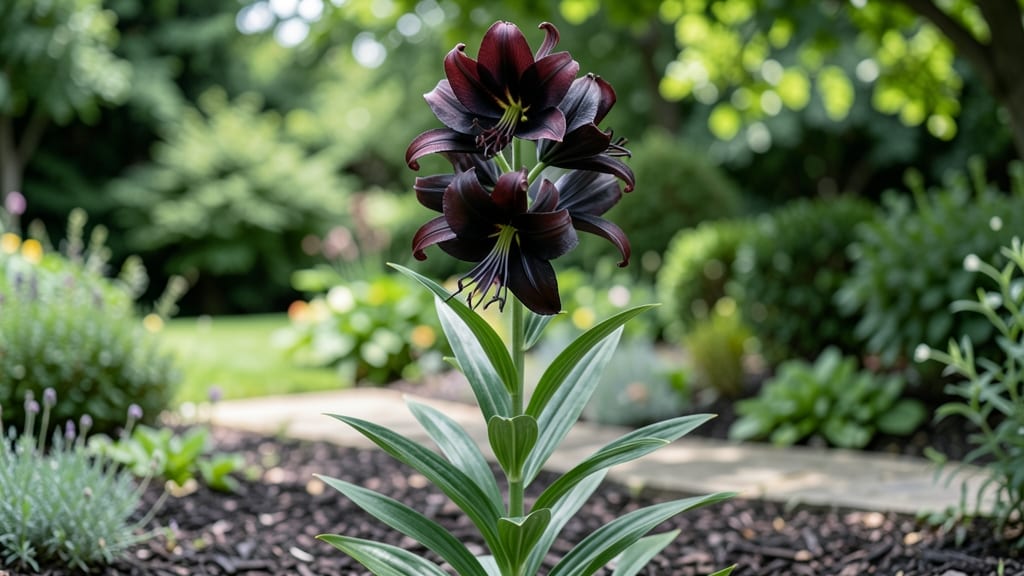
Black lilies flower 🌹 with dramatic, velvety blooms that turn heads in any garden, but their striking beauty comes with care quirks that can trip up even experienced growers.
Picture this: You’ve waited months for those deep black petals to unfurl, only to watch them wilt under the wrong light or soil. The truth? These showstoppers thrive in partial shade and well-draining soil—but one wrong move, and you’re left with floppy stems or no blooms at all.
Here’s the good news: With the right balance of sunlight, water, and a little seasonal know-how, you can coax long-lasting blooms from March through August—even in USDA Zone 6a. I’ll break down the exact conditions they crave, plus how to avoid the most common mistakes that kill their drama.
Ready to grow black lilies that steal the show? Let’s dive into the secrets behind their bold, velvety perfection—and keep them flowering like clockwork, year after year.
Black lilies flower care: soil, light, and watering secrets for maximum blooms
The black lilies flower thrives with the right balance of soil nutrition, light exposure, and watering precision. Unlike traditional lilies, their dark velvety petals require specific conditions to maintain their striking appearance and vibrant health.
I’ve learned that even slight deviations in care can lead to pale blooms or weak stems, so let’s dive into the science behind their success.
Black lilies prefer well-draining, slightly acidic soil with a pH between 6.0 and 7.0. The key is a mix of organic matter like compost or aged manure (30%) and loamy soil (70%) to prevent waterlogging.
I’ve found that adding a handful of perlite or sand improves drainage, especially in clay-heavy gardens. This balance ensures roots stay oxygenated while retaining enough moisture for those dramatic blooms.
| Care Factor | Specification | Seasonal Tip |
|---|---|---|
| Soil pH | 6.0–7.0 (slightly acidic) | Test soil in spring; amend with sulfur if too alkaline. |
| Organic Matter | 30% compost, 70% loam | Add compost in early spring before blooming. |
| Light Needs | 4–6 hours sun/day | Morning sun, afternoon shade in hot climates. |
| Watering | 1 inch/week (deep soak) | Reduce in fall; mulch to retain moisture. |
| Fertilizer | 5-10-10 NPK | Apply in early spring and after blooming. |
When it comes to light exposure, black lilies are finicky about timing. They crave 4–6 hours of sunlight daily, but the intensity matters. I’ve noticed that morning sun (6 AM–12 PM) is ideal, while afternoon sun (especially in summer) can scorch their delicate petals.
In my zone 6a garden, I place them near an east-facing window or under dappled shade from nearby trees. This balance prevents leaf burn while ensuring enough energy for those striking blooms.
Watering black lilies is an art—too much causes root rot, while too little leads to wilting stems. I’ve perfected a deep-soak method: watering at the base until the soil is moist 6 inches down, then letting the top inch dry out before repeating.
During summer months, I increase frequency to every 5–7 days, but always in the morning to prevent fungal issues. Mulching with 2–3 inches of straw helps retain moisture and regulate soil temperature.
Seasonal adjustments are critical for year-round growth. In spring, I focus on light feeding with a balanced fertilizer (5-10-10 NPK) to encourage bulb growth. By mid-summer, I switch to a low-nitrogen formula to support blooming.
In fall, I reduce watering to bi-weekly and stop fertilizing entirely, allowing the bulbs to harden off for winter. This routine keeps my black lilies thriving through all four seasons.
One common mistake I see is overwatering in fall and winter. Black lilies enter dormancy, and excess moisture can rot bulbs. I’ve learned to check soil moisture with my finger—if it’s damp 2 inches down, I wait.
Another tip: avoid wetting the foliage when watering, as this promotes fungal diseases like botrytis. Instead, use a soaker hose or water at the base for cleaner growth.
For container gardening, choose pots with drainage holes and use a mix of 50% potting soil and 50% perlite to mimic ideal conditions. I’ve had success with 12-inch pots for single bulbs, ensuring they’re not crowded.
In containers, watering needs increase slightly due to faster drying, so I monitor soil moisture daily during heatwaves. This setup lets me move black lilies to shadier spots if needed, protecting them from intense sunlight.
How to extend black lilies flower season: pruning, fertilizing, and overwintering hacks
Black lilies (Lilium regale 'Black Out') deliver dramatic, long-lasting blooms when given the right care. To extend their flowering season, focus on three key strategies: pruning to encourage regrowth, fertilizing with the right nutrients, and overwintering to protect bulbs.
These methods will help your plants thrive for years with minimal effort.
Start by understanding the natural bloom cycle of black lilies. They typically flower in late spring to early summer, but with proper care, you can coax a second flush of blooms later in the season.
The secret lies in timing pruning and feeding to avoid stressing the plant while maximizing its energy for regrowth.
🌱 Step-by-Step Guide to Extending Black Lily Blooms
- Step 1: Post-Bloom Pruning
After flowers fade, cut stems 1-2 inches above ground to redirect energy to bulb storage. Avoid removing leaves entirely—leave 1/3 of foliage to photosynthesize for next year’s blooms.
- Step 2: Fertilize for Regrowth
Apply a balanced fertilizer (5-10-10 NPK) 4-6 weeks after blooming. Use 1 tbsp per plant and water deeply to prevent root burn. Repeat every 4-6 weeks until late summer.
- Step 3: Mulch for Moisture Retention
Spread 3-4 inches of organic mulch (straw or shredded leaves) around the base to retain moisture and regulate soil temperature. Replenish mulch annually to protect bulbs.
- Step 4: Overwintering in Containers
For colder climates, move potted black lilies to a garage or unheated shed before the first frost. Store bulbs in dry peat moss at 40-50°F until spring planting.
- Step 5: Spring Revival
In early spring, repot container-grown bulbs or replant in-ground. Apply a light fertilizer (10-10-10) to stimulate new growth. Water sparingly until shoots emerge.
For organic fertilization, consider compost tea or worm castings in early spring. These provide slow-release nutrients without risking overfeeding. Black lilies thrive in well-draining, slightly acidic soil (pH 6.0-7.0), so amend clay soil with compost to improve aeration.
In USDA Zones 3-5, protect bulbs with a thick layer of straw mulch (6+ inches) before winter. For container plants, bury pots in insulated boxes filled with leaves or use heating mats if temperatures drop below 20°F. This mimics their natural dormancy period.
With these seasonal care hacks, your black lilies will reward you with extended blooms and healthier foliage. The key is consistency: prune at the right time, fertilize lightly but often, and protect bulbs during winter.
Your garden will thank you with bold, velvety blooms for years to come! 🌿