
Vegetables
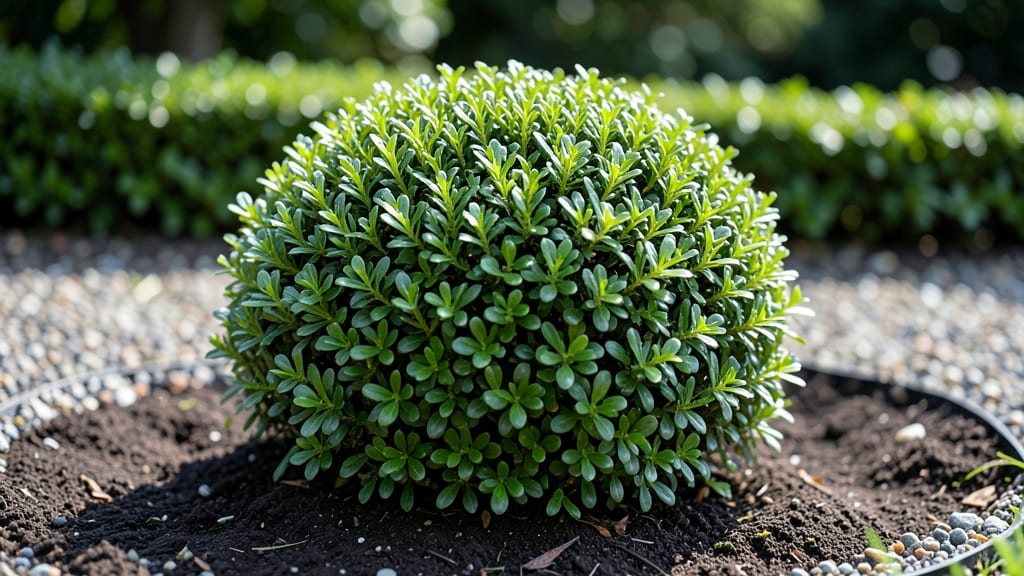
Winter Gem boxwood stays stunningly green when other shrubs turn crispy brown—here’s how to keep yours thriving through the cold. 🌿 I’ve had mine survive subzero nights with just a few simple tricks, and the results are worth the effort: glossy foliage that brightens gray winter days.
This compact evergreen handles Zone 5 winters with ease, but heavy snow or ice can bend branches. I protect mine by shaking off accumulation (gently!) and wrapping young plants in burlap if your area gets harsh freezes.
Pruning in late winter—after the worst cold passes—keeps the shape neat without stressing the plant. The real magic? Winter Gem’s dense, disease-resistant** growth means fewer pests and less fuss.
Just watch for spider mites on dry days (a quick spray of water usually clears them) and avoid overwatering—wet soil freezes harder. With proper care, your boxwood will greet spring looking better than ever. Works for foundation plantings, hedges, or container displays.
Here’s exactly how to prep yours for the season ahead.
📚 In This Guide
- What you need
- Instructions
- Tips and common mistakes
- Wrapping up and next steps
What you need
- ● Winter Gem Boxwood plants (1–3 per desired planting spot; choose Buxus sempervirens ‘Winter Gem’ for compact, glossy foliage).
- ● Well-draining potting mix (2–3 bags, 1 cubic foot each) or native soil amended with compost (5–10 gallons).
- ● Organic mulch (2–3 inches of pine bark, shredded leaves, or straw to insulate roots).
- ● Slow-release fertilizer (10-10-10 or 14-14-14, 1–2 pounds per 100 sq. ft. of planting area).
- ● Burlap or frost cloth (for wrapping plants during extreme cold snaps; 1–2 yards per plant).
- ● Garden trowel or spade (for planting and soil prep).
- ● Gloves (heavy-duty, waterproof for winter work).
- ● Watering can or hose with adjustable nozzle (for gentle hydration).
- ● Pruning shears (sharp, bypass-style for clean cuts).
- ● Measuring tape or ruler (to ensure proper spacing: 3–4 feet apart for mature size).
- ○ Optional: Soil pH test kit (to confirm slightly acidic soil, pH 6.0–7.0, ideal for boxwood).
- ○ Optional: Anti-desiccant spray (like Wilt-Pruf, to protect foliage from winter drying).
- ● A sunny to partially shaded spot (6+ hours of sunlight daily for best color retention).
- ● Proper drainage (avoid low-lying areas where water pools).
- ● Patience for establishment—Winter Gem Boxwood thrives best after 1–2 years in the ground!
Instructions for caring for winter Gem boxwood through cold months
Here's how I keep my Winter Gem boxwoods lush and frost-resistant all season long.
☀️ Step 1: Position for Winter Sunlight Protection
Move your boxwoods to a location that shields them from harsh winter winds and salt spray if you're near roads. I place mine against a north-facing wall or fence—this blocks the worst winter winds while still allowing them to receive filtered sunlight. Winter Gem boxwoods tolerate shade, but 3-4 hours of morning sun keeps their vibrant green color.
Watch for snow accumulation on branches. Shake off light snow after storms to prevent breakage. Heavy snow loads can bend branches permanently, so I gently tap them with a broom handle when accumulation reaches 3-4 inches. This prevents the weight from causing lasting damage to their delicate structure.
💧 Step 2: Adjust Watering for Winter Dormancy
Reduce watering significantly during winter—boxwoods need far less moisture when temperatures stay below 40°F. I water only when the soil feels completely dry to the touch, typically every 3-4 weeks unless we have a dry spell. Overwatering in winter can lead to root rot, especially in heavy clay soils.
Check soil moisture by inserting your finger 2 inches deep. If it's bone dry, give a slow, deep watering. If it's still damp, wait another week. Mulch helps retain moisture, so I top up the 3-inch layer of mulch around the base if it's broken down from winter rains.
✂️ Step 3: Prune for Shape and Frost Resistance
Light pruning in late winter (February) encourages fresh, dense growth. I remove any dead, broken, or crossing branches first—these are easy to spot as they'll be brown or shriveled. Use clean, sharp pruners to make cuts just above a leaf bud or lateral branch. This prevents disease from entering through ragged cuts.
Shape your boxwoods lightly by trimming back any leggy growth that's stretching toward the light. Never remove more than one-third of the plant's total volume in a single pruning session. Winter Gem boxwoods respond well to shaping, but harsh cuts can stress them, making them more susceptible to frost damage.
🌿 Step 4: Protect Against Frost and Salt Damage
If you're in a harsh winter climate with temperatures below -10°F, consider wrapping young boxwoods with burlap or frost cloth for extra protection. I focus on newly planted specimens, as established Winter Gem boxwoods handle cold well. Remove any protective coverings during the day to prevent overheating from sunlight.
After winter storms, rinse off any accumulated salt spray with fresh water. Salt can burn foliage and stress the plant. I use a gentle hose spray on a mild setting to avoid damaging the delicate needles. This simple step keeps your boxwoods looking their best come spring.
⏰ Step 5: Monitor for Winter Stress Signs
Watch for signs of winter burn, which appears as brown or yellow patches on foliage. This can happen if your boxwoods are exposed to too much sun and wind. If you notice this, move the plant to a slightly shadier spot or add temporary shade cloth for the harshest winter days.
Check the soil around your boxwoods for heaving—when soil freezes and thaws, it can push roots out of the ground. Gently press any exposed roots back into the soil and add a thin layer of mulch to protect them. This prevents root damage and ensures your boxwoods emerge strong in spring.
Tips & tricks for perfect winter Gem boxwood care
These practical tips will help your Winter Gem boxwoods thrive even when winter tries to test their resilience.
Sunlight Strategy: Those 3-4 hours of morning sun are crucial for maintaining vibrant color, but don't overlook the importance of timing. Position your boxwoods to receive sunlight during the cooler morning hours when temperatures are milder. This prevents the delicate foliage from getting sunburned during the harshest winter afternoons. I've noticed that plants facing east get the perfect balance of light without the risk of afternoon heat stress.
Snow Removal Technique: When snow accumulates to 3-4 inches, don't just shake it off—gently tap branches with a broom handle instead. This method prevents sudden weight shifts that can cause permanent damage to the flexible branches. I've seen many boxwoods suffer from broken branches after heavy snowstorms where people simply shook them too vigorously. A few gentle taps will remove most of the snow while protecting your plant's structure.
Watering Wisdom: The 3-4 week watering schedule works best when you check soil moisture at 2 inches deep—this is deeper than most people think. I've learned the hard way that surface moisture can be misleading. Use your finger to test the moisture level at this depth, and only water when it feels completely dry. This prevents both underwatering and the root rot that comes from overwatering during winter dormancy.
Pruning Precision: When shaping in February, remember that one-third is the maximum you should remove in a single session. I've seen many gardeners get overzealous and end up with stressed plants that struggle to recover. Make your cuts just above a leaf bud or lateral branch—this encourages healthy new growth. Also, always use clean, sharp pruners to make precise cuts that heal quickly and reduce the risk of disease.
Pro Tips for Winter Gem Boxwood In Winter
- These practical tips will help your Winter Gem boxwoods thrive even when winter tries to test their resilience.
- Sunlight Strategy: Those 3-4 hours of morning sun are crucial for maintaining vibrant color, but don't overlook the i...
- Snow Removal Technique: When snow accumulates to 3-4 inches, don't just shake it off—gently tap branches with a broom...
Frequently asked questions
Got questions about keeping your Winter Gem Boxwood thriving in cold weather? You’re not alone!
Here are some of the most common concerns—and expert answers to help you care for this frost-resistant evergreen with confidence.
Can Winter Gem Boxwood survive harsh winters without extra protection?
Winter Gem Boxwood is bred for cold hardiness (USDA Zones 5-9), but extreme winds or heavy snow can stress plants. While it typically thrives with minimal intervention, a light burlap wrap or mulch layer around the base can shield roots from temperature swings. Avoid plastic—it traps moisture and causes rot!
When is the best time to prune Winter Gem Boxwood in winter?
Prune after the first hard frost but before new growth starts (late winter/early spring). Avoid heavy cuts in fall—they stimulate tender growth that may freeze. Focus on shaping or removing dead branches. Pro tip: Use sharp shears and sterilize them with rubbing alcohol to prevent disease.
Why are the edges of my Winter Gem Boxwood turning brown in winter?
Brown, crispy edges are often caused by winter burn (sun exposure + cold winds). To fix it:
- Apply an anti-desiccant spray (like Wilt-Pruf) in late fall.
- Site plants where they’re sheltered from afternoon sun.
- Water deeply before the ground freezes to hydrate roots.
Are there drought-tolerant alternatives to Winter Gem Boxwood for winter color?
If you need low-maintenance evergreens with winter interest, consider:
Plant
Zone Hardiness
Key Feature
Dwarf Inkberry Holly
5-9
Dark foliage, berries, deer-resistant.
Emerald Green Arborvitae
3-8
Tight, columnar shape; thrives in dry soil.
Dwarf Plum Yew
4-8
Soft texture, tolerates shade and poor soil.
How do I prevent pests like boxwood mites from ruining my Winter Gem in winter?
Boxwood mites thrive in dry conditions. Combat them with:
- Hose off plants in late winter to dislodge eggs.
- Apply neem oil or insecticidal soap in early spring.
- Encourage beneficial insects (like ladybugs) by planting nearby flowers.
Wrapping up and next steps
Winter Gem boxwood isn’t just a hardy plant—it’s a bold statement of resilience and beauty in the coldest months. 🌿 With its glossy leaves and structured form, it transforms winter landscapes into living art, proving that frost doesn’t have to dull your garden’s charm.
Whether you’re a seasoned gardener or a curious beginner, embracing this evergreen is a rewarding way to add year-round elegance to your outdoor space.
Ready to elevate your winter garden? Start by selecting the perfect spot, gathering your supplies, and giving your Winter Gem boxwood the care it deserves. Plan your planting today—your future winter masterpiece awaits!