
Flowers
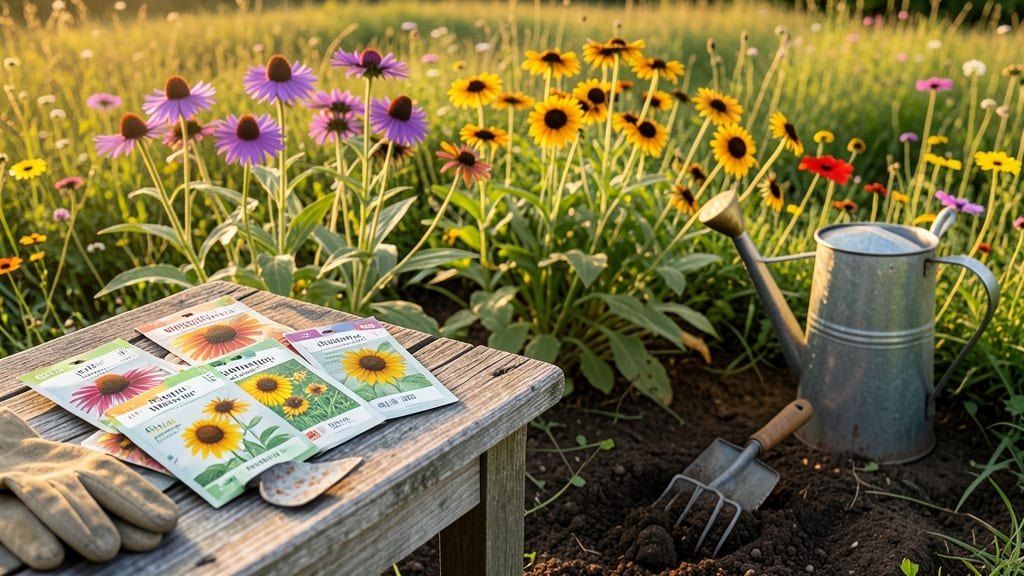
Planting wildflowers in Virginia at the right time ensures vibrant blooms from spring to fall 🌼 — and skipping the ideal window means frost or heat will ruin your efforts before they even begin.
Virginia’s climate varies wildly from the coastal plains to the Appalachian foothills, so a one-size-fits-all approach won’t work. Whether you’re in USDA Zone 6a or 8a, timing your seeds correctly is the difference between a meadow bursting with color and a patch of dirt.
Most gardeners focus on spring planting, but fall is actually the best time for many native wildflowers — it gives roots time to establish before winter. I’ll break down the exact months for each zone, plus soil prep tricks to help your wildflowers thrive.
You’ll learn which wildflower varieties do best in your area, how to adjust for microclimates, and simple maintenance tips to keep your garden blooming for years. Let’s get those seeds in the ground the right way!
Virginia’s USDA zones and ideal wildflower planting months by season
Virginia spans USDA zones 5a through 8a, creating distinct planting windows for wildflowers that thrive in its varied climate. Whether you're in the cooler Appalachian mountains (zones 5a-6a) or the warmer coastal plains (zones 7b-8a), timing matters to avoid frost damage or missed bloom seasons.
I’ll break down the best months for planting annuals and perennials in each zone, plus frost date considerations to help you plan like a pro.
For spring planting (March-May), focus on annual wildflowers like cosmos and zinnias, which bloom fast but need warm soil. Fall planting (August-September) suits hardy perennials like black-eyed Susans and coneflowers, giving roots time to establish before winter.
Summer planting is rare but works for heat-tolerant species like blanket flower in zones 7a and above.
Here’s your zone-by-zone planting guide, including last frost dates and ideal windows for maximum blooms:
In zone 5a, where winters are harsh, prioritize fall planting for perennials like purple coneflower, which establishes roots before freeze. Skip spring planting for tender annuals—wait until soil warms to 60°F+ (April–May).
For zones 7b–8a, you can plant annuals as early as February if you use row covers to protect seedlings from rare cold snaps.
Pro tip: Check your local last frost date using the National Weather Service or Old Farmer’s Almanac. Plant 6–8 weeks before your average last frost for spring blooms, or 4–6 weeks before your first frost for fall perennials.
In zone 8a, you might even squeeze in a summer planting of heat-loving wildflowers like blanket flower or salvia.
For annual wildflowers, direct-sow seeds after frost in spring or midsummer for fall color. Perennials like black-eyed Susans can handle fall planting in zones 6a–8a, while milkweed thrives in spring or early summer across all zones.
Always lightly cover seeds (1/4 inch max) and keep soil moist but not soggy during germination.
If you’re in zone 6a or below, consider starter plants for annuals like cosmos to outpace slow soil warming. In warmer zones (7b–8a), you can sow seeds year-round with consistent moisture. Just remember: drought-tolerant wildflowers need deep watering during establishment, even if they thrive once mature.
Extend your blooms by planting successive batches every 2–3 weeks in spring for continuous color. For example, cosmos seeds sown in March, April, and May will give you blooms from summer through fall. In zone 8a, you might even get w
Best wildflower species for Virginia’s climate and their planting preferences
Virginia’s native wildflowers thrive when planted at the right time and in the right conditions. The top 10 species I recommend for Virginia gardens are not only beautiful but also support local pollinators.
Each variety has unique planting preferences, from soil types to sunlight needs, so let’s dive into the best options for your region.
For example, the Purple Coneflower (Echinacea purpurea) is a drought-tolerant perennial that blooms from summer to fall, making it perfect for USDA zones 4-8. Meanwhile, the Black-Eyed Susan (Rudbeckia hirta) thrives in zones 5-8 and offers bright yellow blooms that attract butterflies.
Below, I’ve ranked these wildflowers by their hardiness, bloom time, and soil needs to help you choose the best fit for your garden.
| Wildflower | USDA Zones | Bloom Time | Planting Depth | Spacing | Soil Preference |
|---|---|---|---|---|---|
| Purple Coneflower | 4-8 | Summer-Fall | 1/4 inch | 12-18 inches | Well-draining |
| Black-Eyed Susan | 5-8 | Summer-Fall | 1/8 inch | 12-24 inches | Average to dry |
| Butterfly Weed | 5-9 | Summer-Fall | 1/4 inch | 18-24 inches | Well-draining |
| Coreopsis | 4-9 | Spring-Summer | 1/8 inch | 12-18 inches | Average |
| Virginia Bluebells | 3-8 | Spring | 1/4 inch | 12-18 inches | Moist, well-draining |
| Goldenrod | 3-9 | Summer-Fall | 1/8 inch | 18-24 inches | Average to dry |
| Milkweed | 4-9 | Summer | 1/2 inch | 12-18 inches | Well-draining |
| Aster | 4-8 | Fall-Winter | 1/4 inch | 12-24 inches | Moist, well-draining |
| Bee Balm | 4-9 | Summer-Fall | 1/4 inch | 18-24 inches | Moist, well-draining |
| Wild Bergamot | 3-9 | Summer-Fall | 1/8 inch | 12-24 inches | Well-draining |
When planting these wildflowers