
Plants
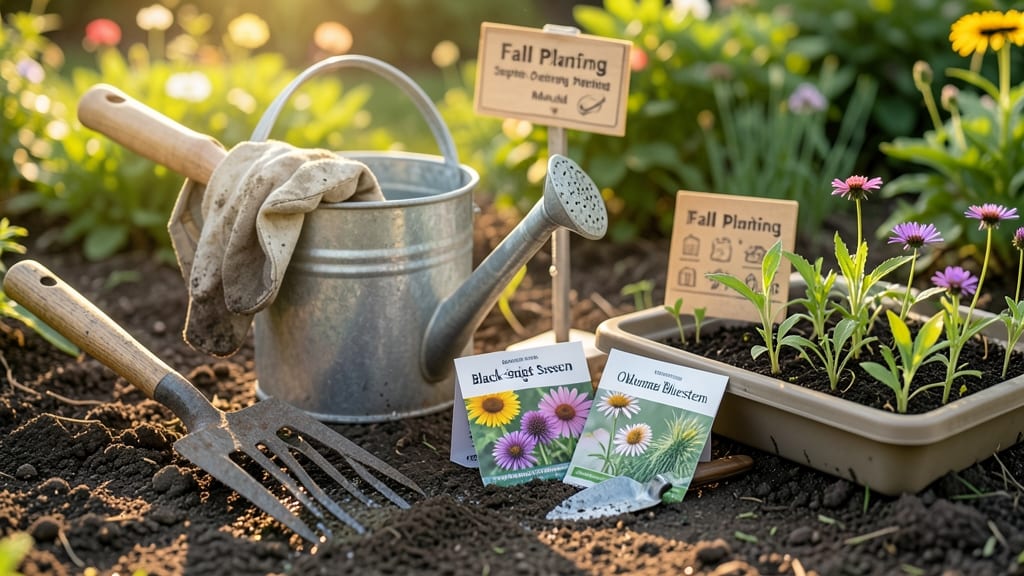
Planting wildflower seeds in Oklahoma at the right time means the difference between a burst of color and a patch of dirt—because timing here is everything.
Oklahoma’s unpredictable climate can make wildflower gardening a gamble—unless you plant at the perfect time. Missing the window by even a few weeks could mean poor germination or weak blooms, but getting it right guarantees vibrant meadows that thrive year after year.
With USDA zones 6a–8a and frost dates that shift from February to April, the best months depend on where you live. Spring planting in March or April gives seeds a head start, while fall sowing in October or November lets them establish roots before winter.
Below, I’ll break down the exact frost-date windows for your region, soil prep secrets, and the top native wildflowers—like black-eyed Susans and Indian paintbrush—that bloom reliably in Oklahoma’s sunny, dry conditions.
Oklahoma’s frost-date zones: best planting months by region
Oklahoma’s USDA hardiness zones 5b through 8a create a diverse planting landscape, where frost dates shift dramatically from the panhandle to the southeast. Understanding these zones helps you choose the perfect planting window for wildflowers, ensuring strong germination and vibrant blooms.
In zone 5b, like parts of northern Oklahoma, the last frost can linger until mid-April, while zone 8a, found in the southeast, may see frost as late as November 15. This variability means your planting schedule should align with your specific region.
For spring planting, aim for March through early April in most of Oklahoma, but adjust for earlier frost zones like Lawton or Altus (zone 7a) where you can start as early as February.
In fall, October is ideal for southern Oklahoma, while northern areas should wait until mid-to-late October to avoid early frosts. Timing is everything—plant too early, and seeds may rot; too late, and they won’t establish roots before winter.
Here’s how your city’s zone impacts planting:
- Oklahoma City (zone 7a): Last frost March 20–April 5, first frost November 5–15
- Tulsa (zone 7b): Last frost March 15–April 1, first frost November 10–20
- Panhandle (zone 5b–6a): Last frost April 1–15, first frost October 20–November 1
- Southeast (zone 8a): Last frost March 1–15, first frost November 15–30
Native wildflowers like black-eyed Susans and Indian paintbrush thrive when planted at the right time. For example, spring-blooming varieties benefit from fall planting, while summer-bloomers like blanket flower should go in early spring. Misjudging the window can lead to weak seedlings or failed germination, especially in Oklahoma’s unpredictable rainfall patterns.
Soil temperature is another critical factor. Most wildflower seeds need soil temps between 60–70°F to germinate. In spring, this typically aligns with April, while fall planting works best when soil cools to 50–60°F by October.
Use a soil thermometer to confirm—this small tool can save you from costly mistakes.
Let’s break down the ideal planting months by zone and region in this summary table:
Notice how southern Oklahoma’s later frost dates allow for earlier spring planting and later fall planting. For example, McAlester (zone 8a) can plant wildflowers as early as mid-February, while Altus (zone 5b)
Spring vs. fall planting: which works best for Oklahoma wildflowers?
Choosing between spring and fall planting for Oklahoma wildflowers depends on your climate zone and the species you’re growing. Both seasons have distinct advantages, but Oklahoma’s hot summers and variable rainfall make timing critical.
I’ll break down the pros and cons to help you decide which window works best for your garden.
Spring planting (March–April) aligns with Oklahoma’s last frost dates, giving seeds a head start before summer’s intense heat. However, early spring rains can sometimes overwater seeds, leading to rot.
Fall planting (October–November) avoids summer stress and allows seeds to establish roots before winter dormancy, but requires precise timing to avoid early frosts.
Spring Planting (March–April)
✅ Pros
- Longer growing season for established plants
- Better moisture retention in early spring
- Ideal for heat-sensitive species like black-eyed Susans
- Easier to monitor for weeds and pests
❌ Cons
- Risk of late frosts damaging young seedlings
- Competition from weeds increases in spring
- Summer drought stress if not established early
- Higher watering demands during germination
Fall Planting (October–November)
✅ Pros
- Avoids summer heat stress entirely
- Seeds germinate early spring with consistent moisture
- Fewer weeds compete in fall/winter
- Better drought tolerance for established roots
❌ Cons
- Timing must be precise before first frost
- Slower germination in cooler temperatures
- Limited species options for fall planting
- Harder to monitor in winter months
For spring planting, focus on native perennials like Indian paintbrush and purple coneflower, which thrive with Oklahoma’s hot summers. These species benefit from the extended growing season and can self-seed for years.
In contrast, fall planting works best for annuals like coreopsis or blanket flower, which need cooler temperatures to establish roots before summer.
My top recommendation for Oklahoma gardeners is to split your planting: sow half your seeds in spring (March) and half in fall (October). This strategy ensures year-round blooms and reduces drought stress by staggering growth cycles. Just remember to water deeply after planting and mulch lightly to retain moisture.
If you’re new to wildflower gardening, start with fall planting—it’s lower risk and often more reliable in Oklahoma’s unpredictable climate. Once you’ve mastered the timing, experiment with spring sowing for bold summer displays. Either way, native species will reward you with low-maintenance beauty that thrives without fuss.