
Flowers
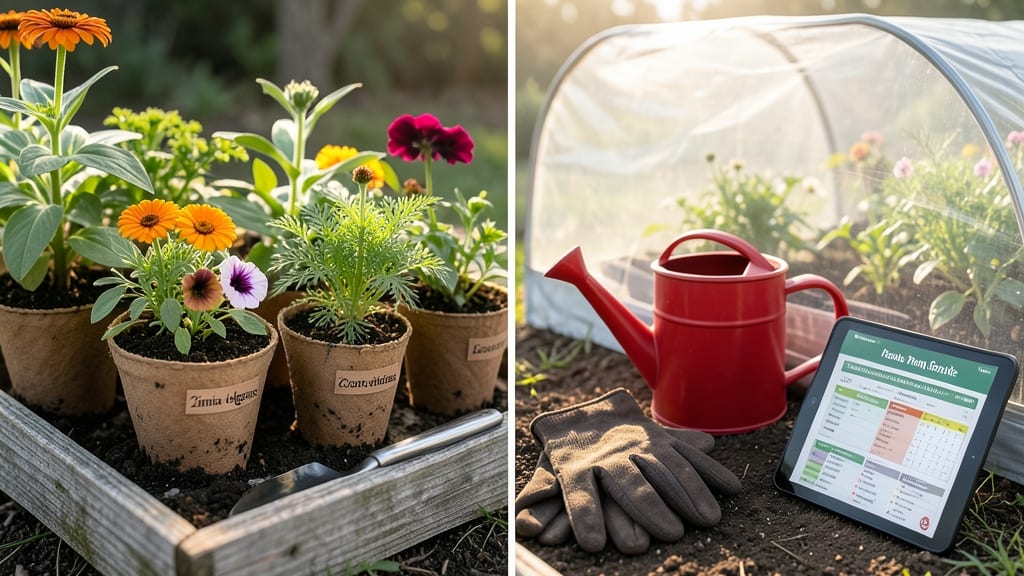
Planting flowers in Michigan at the right time means catching that narrow window between frost and heat—usually mid-April to early June for most annuals and perennials.
Michigan’s unpredictable spring weather can turn a gardener’s best-laid plans into a guessing game—but timing your flower planting right ensures vibrant blooms all season long.
With USDA Zones 5b and 6a, knowing the exact frost dates and ideal planting windows is the difference between a thriving garden and a sad, frost-bitten disappointment.
For example, hardy varieties like tulips and daffodils can go in the ground as early as March in southern Michigan, while tender annuals like marigolds and zinnias wait until after the last frost in May or June.
Getting this right means fewer replants and more color from spring through fall.
Below, I break down the best planting months for your region, soil prep tips, and which flowers thrive when planted early versus late—so you can skip the trial-and-error and enjoy a garden that pops all season.
Michigan frost dates & best flower planting windows by month
Michigan’s last frost dates vary dramatically across regions, with Detroit typically seeing its final frost around May 10-15, while Grand Rapids and Ann Arbor average May 5-10. These dates separate successful gardens from frost-killed dreams, so I’ve tailored planting windows to each city’s microclimate.
For cold-hardy bulbs like tulips and daffodils, timing starts much earlier—often in October or November—to establish roots before winter.
Annuals like marigolds and zinnias thrive when planted after the last frost, while perennials such as coneflowers can handle cooler soil. My planting schedule below accounts for Michigan’s USDA Zones 5b-6a, ensuring your flowers bloom when they should.
Pro tip: Use row covers for early spring plantings to protect tender seedlings from late frosts.
Here’s a quick reference for Michigan’s frost dates and ideal planting windows by month, broken down for Detroit, Grand Rapids, and Ann Arbor:
| City | Last Frost Date | First Frost Date | Best Month for Bulbs | Annuals (After Frost) | Perennials |
|---|---|---|---|---|---|
| Detroit | May 10-15 | October 15-20 | October-November | Late May-Early June | March-April (divide in fall) |
| Grand Rapids | May 5-10 | October 10-15 | September-October | Late May | March-April |
| Ann Arbor | May 8-12 | October 12-17 | October | Late May | March-April |
For spring-blooming bulbs, plant tulips and daffodils in October or early November—this gives roots time to establish before winter dormancy. In March or early April, add crocus and hyacinths for early color. These cold-hardy varieties reward patience with bold, early-season blooms that brighten Michigan’s often gloomy springs.
Annuals like pansies and sweet peas can handle light frosts and are perfect for early May plantings. Wait until after May 15 for heat-loving marigolds and zinnias, which prefer warmer soil temperatures above 55°F.
I recommend starting petunia and geranium seeds indoors in March for a head start.
Perennials such as black-eyed Susans and bee balm thrive when planted in early spring (March-April) or early fall (September). Divide overcrowded clumps in spring for healthier growth.
For late-summer bloomers like sedum and asters, plant in May or June—they’ll reward you with fall color when other flowers fade.
Michigan’s first frost typically arrives between October 10-20, signaling the end of the growing season. Use this time to plant spring-blooming bulbs and divide perennials. For tender annuals, either bring pots indoors or mulch heavily to extend their season.
My late-summer plantings of cosmos and snapdragons often survive until November with proper protection.
Don’t forget native Michigan flowers like wild bergamot and butterfly weed, which thrive with minimal care. These drought-tolerant perennials bloom from June to September and support local pollinators. Plant them in spring or early summer for low-maintenance color that lasts all season.
To maximize your garden’s potential, test soil pH in early spring—most Michigan soils are slightly acidic (6.0-6.5). Amend with lime for acid-loving plants like azaleas or compost for veggies and annuals. A 2-inch layer of mulch after planting helps retain moisture and suppress weeds.
Finally, keep a gardening journal to track local frost dates and planting successes. Michigan’s climate shifts yearly, so adjust your schedule based on what works best in your specific microclimate. With these planting windows and a little flexibility, your garden will burst with color from spring to fall.
Top 5 flowers to plant early vs. late in Michigan’s season
Michigan’s short growing season demands smart planting strategies. Early bloomers like pansies and sweet peas tolerate light frost, while marigolds and zinnias thrive in summer’s warmth. Understanding these planting windows ensures continuous color from spring to fall.
For early planting, focus on cold-hardy annuals and biennials that establish roots before summer heat arrives. These varieties often bloom faster and handle Michigan’s late spring frosts better than heat-loving species. The key is planting 4–6 weeks before your average last frost date (typically mid-April in southern Michigan).
Early vs. Late Planting Flowers in Michigan
Early Planting (March–April)
- Pansies: Cold-hardy to 20°F, blooms spring/fall
- Sweet Peas: Frost-tolerant, needs trellis support
- Calendula: Edible flowers, thrives in cool soil
- Lobelia: Shade-tolerant, great for containers
- Violas: Long bloom time, self-cleans
✅ Pros: Early color, frost resistance, longer season
❌ Cons: May bolt in summer heat
Late Planting (May–June)
- Marigolds: Heat-loving, deters pests naturally
- Zinnias: Long-lasting blooms, attracts butterflies
- Sunflowers: Fast-growing, great for pollinators
- Cosmos: Drought-tolerant, self-seeds easily
- Nasturtiums: Edible, thrives in poor soil
✅ Pros: Vibrant summer color, pest control
❌ Cons: Needs warmer soil, shorter season
My top 3 early-planted flowers for Michigan gardens are pansies, sweet peas, and calendula. These varieties handle light frosts and provide early-season color when other plants are still dormant. For late-season planting, I recommend marigolds and zinnias—they explode with color just as summer peaks.
To maximize success, test your soil temperature before planting late-season flowers. Soil should be at least 60°F for heat-loving varieties like zinnias. Use row covers for early plantings if frost threatens, and always water deeply after transplanting to reduce shock.
Pro tip: Pair early and late plantings for continuous blooms. For example, plant pansies in March and zinnias in June to enjoy color from spring through fall. This succession planting trick works wonders in Michigan’s short growing season.
Remember, Michigan’s USDA Zone 5b/6a means first frosts can arrive as early as September. Start seeds indoors for late plantings to give them a head start, and always check your local frost dates—they vary by region within the state.