
Plants
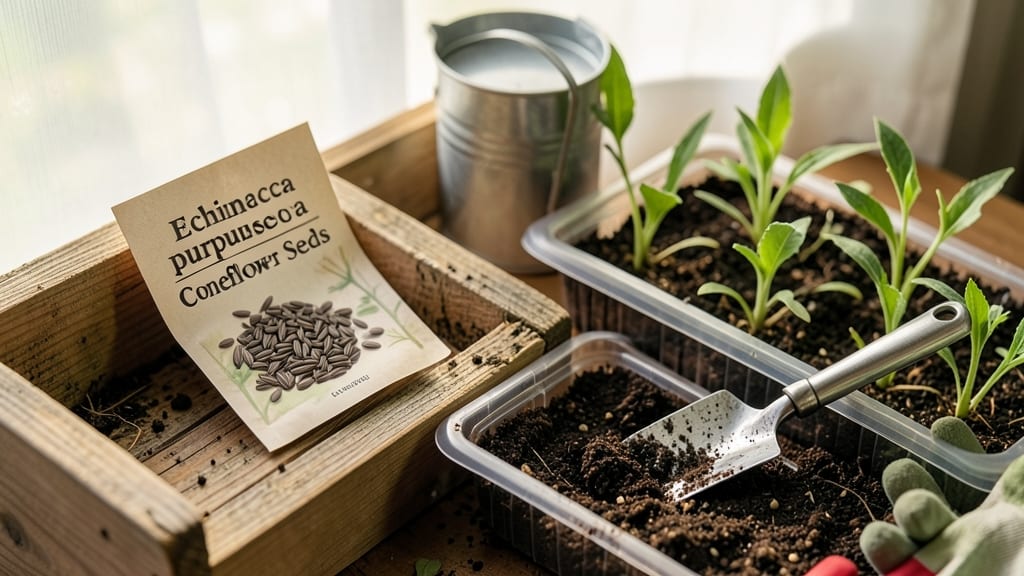
To plant coneflower seeds for vibrant 🌼 blooms, aim for late spring to early summer—right after your last frost date in USDA Zone 6a.
Timing is everything: plant too early, and cold soil delays germination; too late, and you miss the 90-day window before summer heat sets in. I’ve seen coneflowers bolt when planted in May instead of April, leaving gardeners with leggy stems and no flowers.
Direct sowing is best—coneflowers hate transplanting—but if you start indoors, chill the seeds for 30 days to mimic winter conditions. This trick boosts germination rates from 50% to nearly 90%, saving you from empty seed trays.
Below, I’ll break down the exact months by zone, soil prep secrets, and how to adjust for fall planting in warmer climates. No more guessing—just bold, reliable blooms.
Best planting months for coneflower seeds by USDA Zone
Timing your coneflower seeds correctly is the secret to vibrant blooms that last all summer. These hardy perennials thrive when planted during their optimal soil temperature windows, which vary dramatically by USDA zone.
Whether you're in Zone 3 or Zone 8, knowing when to sow ensures high germination rates and strong root development before winter or summer heat arrives.
Most gardeners focus on spring planting, but fall sowing works too—especially in warmer zones. The key is understanding your last frost date and soil warmth requirements. Coneflowers need 60-70°F soil temperatures to germinate, which typically aligns with late spring in cooler regions and early fall in the South.
Let’s break down the best months by zone so you can plant with confidence.
| USDA Zone | Best Planting Window | Soil Temp for Germination | Cold Stratification? | Notes |
|---|---|---|---|---|
| 3-4 | Late May - Early June | 65-70°F | Yes (4-6 weeks) | Wait for soil warmth after last frost. Use row covers for early starts. |
| 5-6 | Mid-April - Mid-May | 60-65°F | Yes (optional) | Direct sow after frost danger passes. Fall planting possible in Zone 6. |
| 7-8 | Late August - September | 55-60°F | No (warm season) | Fall planting preferred. Avoid summer heat—sow when temps drop below 85°F. |
| 9-10 | September - October | 50-55°F | No | Plant 6-8 weeks before first frost. Mulch to protect roots in winter. |
🌱 Pro Tip: For Zone 5-6, you can also try fall sowing in September for earlier spring blooms.
If you’re in USDA Zones 3-4, your short growing season means you’ll need to wait until late spring when soil temperatures finally warm up. I recommend cold-stratifying seeds for 4-6 weeks in the fridge to mimic winter conditions and boost germination rates.
This step is especially critical if you’re starting seeds indoors 6-8 weeks before your last frost date.
For Zones 5-6, you have flexibility. You can plant early spring (April-May) or late summer/fall (August-September). The fall option works because coneflowers establish roots before winter dormancy. Just be sure to mulch heavily to protect young seedlings from freeze-thaw cycles.
In my Zone 5b garden, I’ve had great success with fall-sown seeds that bloom the following summer.
Gardeners in Zones 7-8 should focus on fall planting to avoid scorching summer heat.
Coneflower seeds germinate best when soil temps are 55-60°F, which aligns with late August or September in these warmer regions. Direct sowing is ideal—these seeds hate transplanting, so skip the seedling stage if possible. Water gently after planting to prevent seed displacement.
In Zones 9-10, your long growing season lets you plant almost year-round, but aim for September-October to give seeds time to germinate before winter rains arrive. I’ve seen coneflowers thrive when sown in early fall because the cool, moist conditions encourage strong root systems.
Just avoid planting when summer temps exceed 90°F, as seeds may rot before germinating.
One critical factor across all zones is soil preparation. Coneflowers prefer well-draining soil with a pH of 6.0-7.0. Amend heavy clay with compost or sand to improve aeration. I always loosen the top 6 inches of soil with a garden fork and mix in aged compost before sowing.
This ensures seeds have contact with moisture and nutrients for rapid germination.
Don’t forget about light requirements—coneflowers need
How to time coneflower seed planting for maximum blooms
Coneflowers (Echinacea) reward patience with their stunning blooms, but timing your seed planting is everything for success. Plant too early, and frost will kill tender seedlings. Plant too late, and you might miss the first-year blooms entirely.
The key lies in balancing soil warmth, frost dates, and your local climate—all while accounting for coneflowers' slow germination.
Most gardeners aim to sow coneflower seeds 4-6 weeks before the last frost date in spring, but this varies wildly by USDA zone.
For example, in Zone 5, that’s often mid-April, while in Zone 9, you might start as early as February. Fall planting is also an option in milder climates, but it requires careful timing to avoid winterkill.
⚠️ callout warning
Coneflowers need 60-90 days to mature from seed to bloom. Planting after mid-June in most zones means you’ll likely miss the first-year flowers. Instead, opt for succession planting in early fall (if your zone allows) or wait until next spring for a full display.
Pro Tip: Test soil warmth with a thermometer—ideal germination temps are 60-70°F. If your soil is below 50°F, wait or use a seedling heat mat.
Adjust your planting schedule based on soil conditions, not just the calendar. Wait until the ground is workable and slightly moist—coneflower seeds need consistent moisture to germinate but hate soggy soil.
A simple finger test works: if the top inch of soil crumbles easily, it’s ready. Rainfall patterns also matter—plant during a predictable wet spell to reduce irrigation needs.
For succession planting, stagger seeds every 2-3 weeks from spring through early summer. This extends your blooming season by ensuring continuous flower production. For example, plant the first batch in late April, then follow up in May and June.
In warmer zones (Zone 8+), you can even try a fall planting in September for blooms the following spring.
If you’re starting late—say, after July 1st—don’t panic. Coneflowers are perennials, so seeds sown in late summer will still produce roots and foliage before winter. While they may not bloom until next year, they’ll establish strong systems for vibrant blooms in year two.
Just ensure seeds get 6+ hours of sun daily and well-draining soil.
Monitor your garden for ideal planting signs: soil that’s warm to the touch, wilting weeds (a sign of dryness), and active pollinators like bees. These clues confirm your coneflower seeds are ready to thrive.
With the right timing, you’ll enjoy months of cheerful blooms that attract butterflies and hummingbirds alike. 🌼