
Pruning
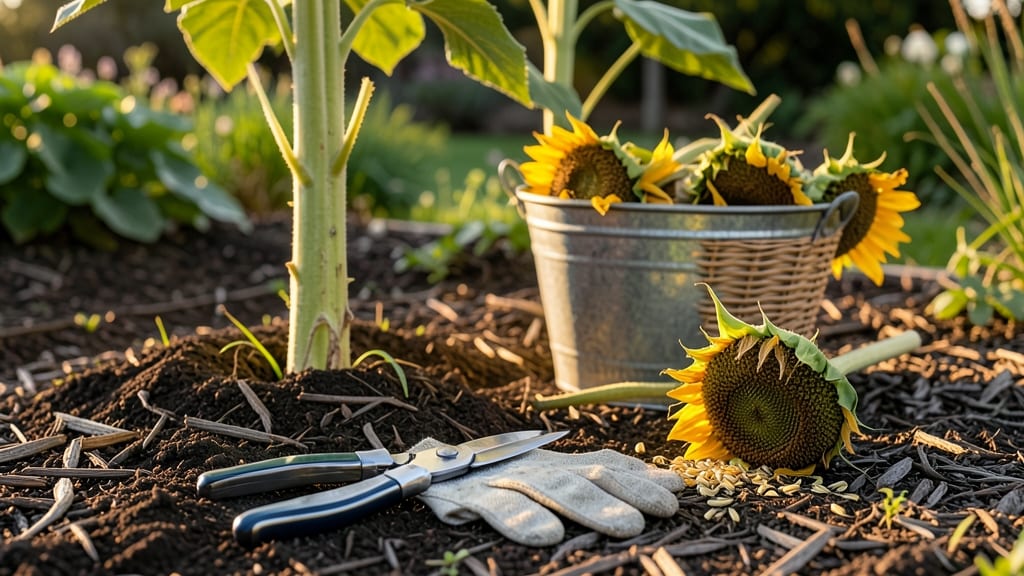
Cutting your sunflower heads off at the right time ensures you get the most seeds from your towering 🌻 plants—and waiting too long means losing your harvest to birds or rot.
Harvesting sunflower seeds at the wrong time can mean the difference between a bountiful yield and wasted effort—yet many gardeners struggle to pinpoint the perfect moment to cut those towering heads.
Here’s the key: wait until the petals have fully wilted and turned brown, but before the seed head starts cracking open. If you cut too early, the seeds won’t mature; too late, and squirrels or birds will snatch them first.
Below, I’ll walk you through the exact steps to time your cuts, how to dry seeds properly, and the best way to store them for next year’s garden—so you never miss a harvest again.
The exact time to cut sunflower heads for optimal seed harvesting
Timing is everything when harvesting sunflower seeds—cut too early, and you'll miss peak yield; too late, and seeds scatter or spoil. The ideal moment arrives when petals wilt but the seed base remains firm and green underneath. This balance ensures maximum seed viability while preventing premature loss.
Most gardeners wait until late summer to early fall (typically July-September in Zone 6a), but exact timing depends on your sunflower variety and local climate. Dwarf varieties mature faster than towering giants, while cooler temperatures can delay ripening by 1-2 weeks.
Here’s the critical visual checklist to avoid mistakes: look for brown petals at the edges, a yellowish-brown back on the seed head, and dark brown disc flowers in the center. If you squeeze the seed head gently, it should feel firm but not hard—like a ripe avocado.
Environmental factors play a huge role. High humidity can slow drying, while hot, dry weather speeds it up. In rainy climates, heads may stay green longer, so monitor closely. If petals fall off completely, seeds are likely overripe and may have already scattered.
| Maturity Stage | Petal Condition | Seed Head Feel | Back of Head | Action |
|---|---|---|---|---|
| Not Ready | Fully open, vibrant | Soft, spongy | Mostly green | Wait 1-2 weeks |
| Ideal Harvest | Drooping/brown edges | Firm, dry | Yellowish-brown | Cut immediately |
| Overripe | Fallen off | Hard, dry | Dark brown | Seeds may scatter |
Pro tip: Use a sharp pruning shears or clean knife to cut 2-3 inches below the head. Leave the stem intact—this helps with drying. Hang heads upside down in a dry, well-ventilated space (like a garage or shed) for 2-3 weeks to complete the drying process.
If you're in a humid climate, consider spreading heads on paper towels in a single layer to speed up drying. Avoid plastic bags—they trap moisture and encourage mold. Once seeds rattle inside when shaken, they're ready for storage.
For seed-saving, aim to harvest before birds or squirrels find them. These critters can strip a head clean in minutes! If you notice small holes or missing seeds, you’ve waited too long. Store dried heads in paper bags (not airtight containers) to prevent rot.
Remember: Early morning is the best time to cut—heads are dew-free and cooler, reducing stress on the plant. Avoid cutting after rain, as excess moisture can lead to mold during drying.
With practice, you’ll develop an eye for the perfect moment. Start with 1-2 test plants to refine your timing, and soon you’ll be harvesting plump, viable seeds every season. Happy harvesting! 🌻
Step-by-step guide: how to harvest and dry sunflower seeds correctly
Once your sunflower heads reach the perfect maturity stage, knowing how to harvest and dry them properly ensures high-quality seeds for next year’s garden. The process is simple but requires patience—especially during the drying phase, which can take 2-4 weeks depending on your climate.
Whether you’re saving seeds for seed-saving or simply want to enjoy roasted sunflower seeds, follow these steps to maximize your yield.
Gather your harvesting tools first: a sharp pruning shears or clean knife, a paper bag or breathable container, and a dry, well-ventilated space. Avoid plastic bags—they trap moisture and encourage mold.
If you’re growing tall sunflowers, a sturdy ladder or stool will also come in handy to safely reach those towering heads without damaging the stems.
Step-by-Step Sunflower Seed Harvesting & Drying
-
Step 1: Cut the Heads
Use clean shears to cut the flower head about 2-3 inches above the base. Leave the stem attached—it helps with drying. Do this on a dry, sunny day to minimize moisture. -
Step 2: Remove Petals
Strip off the wilted petals by hand or with your fingers. Discard them or compost. The seed head should now look like a dense, spiky ball with brown disc flowers. -
Step 3: Choose a Drying Method
Option 1: Hanging – Tie the stem to a string or hook in a dry, dark place (like a garage or shed) with good airflow. Hang upside down for 2-4 weeks.
Option 2: Flat Drying – Place heads on a screen or paper towel in a single layer. Cover loosely with a cloth to keep out pests. Turn occasionally for even drying. -
Step 4: Test for Dryness
Seeds are ready when the back of the head turns paper-thin and brown. Gently squeeze a seed—if it crushes easily, it’s dry. If it feels soft or sticky, wait another week. -
Step 5: Extract the Seeds
Rub the dry seed head between your palms or use a clean cloth to release seeds. Discard any chaff or debris. Store seeds in a paper envelope or airtight container in a cool, dark place.
After drying, it’s crucial to test seed viability before storing them long-term. Place a handful of seeds in a glass of water—viable seeds will sink to the bottom within 10 minutes, while hollow or damaged seeds will float.
Aim for at least 90% viable seeds for optimal germination. If viability is low, consider replanting or using the seeds for bird feed instead.
Store your dried seeds in a paper envelope (to allow moisture to escape) or an airtight container with a silica gel packet to absorb humidity. Label with the variety name and harvest year to avoid confusion.
In ideal conditions, sunflower seeds stay viable for 2-3 years, though germination rates may drop over time. Check stored seeds annually for pests or mold—discard any that smell musty or look discolored.
Pro tip: If you’re harvesting seeds for bird feed, you can skip the drying process and simply leave the heads on the plant until they fully brown and birds naturally strip the seeds.
This saves time but reduces your seed-saving yield for gardening. Either way, timing and technique make all the difference in your harvest’s success!