
Blooming
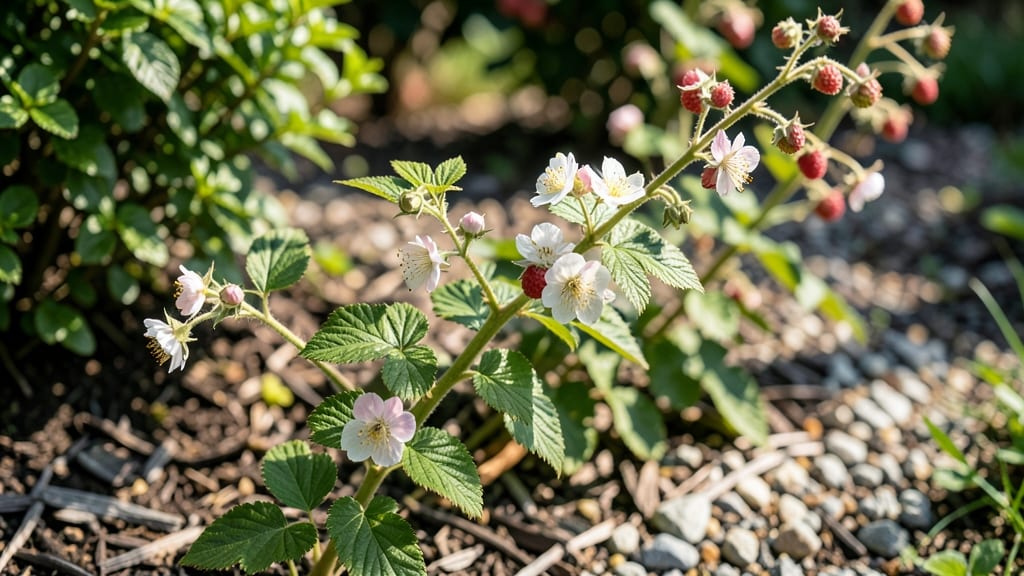
Raspberries flower when the days lengthen and temperatures rise in late spring, but the exact timing depends on whether you’re growing summer-bearing, everbearing, or fall-bearing varieties 🍇 — and your local climate.
Picture this: you’ve just pruned your raspberry canes, eager for the promise of sweet summer fruit, only to realize your bushes are blooming weeks earlier (or later) than expected. That delay can throw off your entire harvest schedule, leaving you wondering what went wrong.
For most gardeners in USDA Zone 6a, summer-bearing varieties like Heritage or Boyne Gold typically flower in May or early June, while everbearing types like Heritage or Caroline bloom twice—once in spring and again in late summer.
But heatwaves, late frosts, or even last year’s pruning mistakes can shift that window by weeks.
In this guide, I’ll break down the exact flowering timeline for each variety, how to spot early signs of blooms, and simple adjustments you can make to ensure your raspberries produce fruit like clockwork—no guesswork required.
Exact raspberry flowering timeline by variety type
Raspberries produce two types of canes: floricane (first-year canes that fruit) and primocane (second-year canes that may fruit).
Understanding these differences is key to predicting when your bushes will flower. Summer-bearing varieties bloom on floricane canes, while everbearing and fall-bearing varieties produce flowers on both cane types, creating two harvest seasons. The timing of these blooms varies by variety and climate zone.
For summer-bearing raspberries, flowering typically begins in late April to early May in most U.S. growing zones (USDA 5-8). Look for pale yellow-green buds along last year’s canes—these will open into delicate white or pink flowers within 7-10 days.
In cooler zones (USDA 3-4), blooms may arrive 2-3 weeks later, around mid-May, while warmer zones (USDA 9-10) can see flowers as early as March.
Everbearing varieties like Heritage or Caroline have a unique two-flowering cycle. The first bloom appears on floricane canes in early to mid-June, producing a small summer harvest. Then, in late July to August, primocane canes (this year’s growth) develop flowers for a fall crop.
This dual cycle means you’ll see flowers 3 months apart on the same plant!
The fall-bearing types, such as Fall Red or Autumn Bliss, focus their energy on primocane canes. Their flowers emerge in late July to early August, with fruit ripening by September or October.
Unlike summer-bearing varieties, these bushes rarely produce significant fruit on floricane canes, making their bloom timing more predictable for a single late-season harvest.
To spot upcoming blooms, watch for leaf emergence—new leaves unfurling from dormant buds signal that flowers are 2-3 weeks away. For summer-bearing types, the canes should be brown and woody with last year’s growth, while everbearing and fall-bearing bushes will show green primocanes alongside older canes.
In Zone 5 or cooler, frost-sensitive flowers may need protection if temperatures drop below 28°F during bloom.
Your local climate can shift bloom timing by up to 4 weeks. In Pacific Northwest regions, summer-bearing raspberries often flower in March due to mild winters, while Midwest gardeners may not see blooms until mid-May.
Pay attention to your area’s last frost date—flowers that appear before frost are at risk of damage, which can reduce fruit set. If you’re in a hotter zone (USDA 9-10), blooms may arrive earlier but could struggle with heat stress if temperatures exceed 85°F during flowering.
Pruning plays a crucial role in bloom timing. For summer-bearing varieties, remove all old canes after harvest to encourage next year’s floricane growth. Everbearing types require selective pruning—leave some primocanes uncut to produce fall flowers.
If you prune too aggressively, you may delay flowering by 2-4 weeks as the plant focuses on regrowing canes instead of blooming.
Fertilizing also affects bloom timing. A balanced 10-10-10 fertilizer applied in early spring (just as buds swell) promotes healthy flower development. Too much nitrogen can delay blooms by encouraging leafy growth over flowers.
Look for small white or pink buds along the canes—these are your first sign that flowering is imminent, typically 3-5 days before the flowers fully open.
If your raspberries aren’t flowering on schedule, check for stress signs like yellowing leaves or sparse canes. Overwatering, poor soil drainage, or compaction can delay blooms by 3-6 weeks. Amend your soil with compost or aged manure in fall or early spring to improve nutrient availability.
For container-grown raspberries, ensure pots have drainage holes and use a well-draining potting mix to prevent root stress.
Once you recognize the visual cues of emerging buds and canes, predicting bloom timing becomes easier. Keep a gardening journal to track when flowers appear each year—this helps you adjust care routines and anticipate harvests. With the right variety and timing, you’ll enjoy ras
How climate Zones and weather shift raspberry bloom windows
Your raspberry bushes might bloom in late April in USDA Zone 5, but the same variety could flower as early as March in Zone 8. These differences aren't random—they're driven by temperature shifts, daylight hours, and even local microclimates.
Understanding how your climate affects bloom timing helps you adjust care and predict harvests with confidence.
Cold snaps in Zones 3-5 can delay flowering by 2-4 weeks, while heatwaves in Zones 8-10 might trigger early blooms. Even within the same zone, a mountain valley could bloom 10 days earlier than a nearby hilltop garden.
These shifts matter because late blooms risk frost damage, while early flowers may struggle in drought conditions.
If you're in Zones 3-5, aim to prune canes in late winter (just before buds swell) to avoid removing next year's flowers. In Zones 6-7, watch for early spring warmth—if buds swell but temps drop, protect them with row covers.
Gardeners in Zones 8-10 often face heat stress during bloom, so mulch heavily and water deeply at the base to keep roots cool.
Temperature swings also affect fruit set. A 50°F night after flowering can double your yield in summer-bearing varieties, while consistent 80°F+ days may cause flower drop.
Everbearing types like 'Heritage' bloom on both old and new canes, so they're more flexible with climate shifts—but still benefit from seasonal adjustments like light pruning after harvest to encourage fall flowers.
To stay ahead, mark your first bloom date each year and note how it shifts. If blooms come 2 weeks early, reduce spring nitrogen to prevent leafy growth at fruit's expense.
If they're late, focus on soil warmth—cover bare soil with black plastic in March to speed up root activity. Even a 5°F difference in soil temp can delay blooms by 7-10 days.
Remember: Climate isn't destiny. With these adjustments, you can nudge your raspberries toward optimal bloom windows—whether that means protecting early flowers from frost or preserving moisture during heatwaves. The key is observation and flexibility, not rigid rules. 🌱☀️