
Blooming
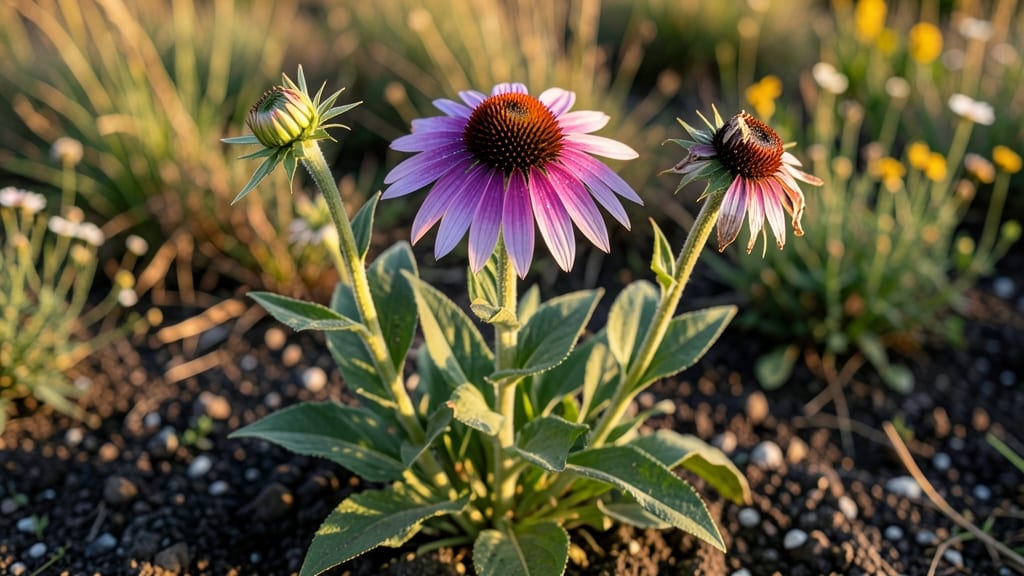
Purple coneflowers bloom from mid-summer through early fall, turning your garden into a pollinator paradise 🌼 with their vibrant purple petals and hardy stems.
If you’ve ever dreamed of a garden bursting with vibrant purple blooms that attract pollinators and thrive with minimal fuss, purple coneflowers (Echinacea purpurea) are your perfect solution—but timing is everything.
In most regions, including USDA Zone 6a, these perennials typically start flowering in July, reaching their peak in August, and often lingering until the first frost in September or October. The exact timing depends on your climate, planting window, and care routine.
Below, I’ll break down the month-by-month bloom schedule by zone, plus pro tips to extend their beauty and ensure a second flush of flowers for even longer enjoyment.
Purple coneflower bloom times by US planting zones: a month-by-month guide
Timing your garden’s purple coneflower blooms depends heavily on your USDA planting zone. These hardy perennials thrive in Zones 3–9, but their bloom windows shift dramatically from northern climates to southern regions.
Understanding these variations ensures you’ll enjoy continuous blooms from July to frost, with peak performance in mid-to-late summer.
Daylight hours and temperature thresholds are the primary drivers of bloom timing. In cooler northern zones (3–5), coneflowers often wait until late June or early July to kick off their 6–8 week flowering cycle.
Meanwhile, in warmer southern zones (7–9), you might see first blooms as early as May, stretching into October or November before frost.
Here’s how to pinpoint your coneflower’s bloom schedule based on your zone, including early, peak, and late-season windows:
In northern zones (3–5), coneflowers prioritize survival over early blooming. Cooler springs delay their 60–90 day growth cycle, so patience is key—your plants may look dormant until late June.
To encourage earlier blooms, plant in full sun and avoid over-fertilizing with nitrogen, which fuels foliage over flowers.
Southern gardeners in Zones 7–9 enjoy the advantage of earlier blooms and extended seasons. However, heat stress above 90°F can cause buds to drop prematurely.
Provide afternoon shade during peak summer and mulch heavily to retain moisture. In Zone 9, some varieties even rebloom in fall if deadheaded regularly.
Daylight length plays a surprising role in bloom timing. Coneflowers are day-neutral, meaning they flower based on plant maturity rather than daylight changes. However, longer summer days in southern zones accelerate their growth, while shorter days in fall signal them to produce seeds instead of new blooms.
For consistent blooms year after year, plant coneflowers in well-draining soil with 6+ hours of sun daily. In drought-prone zones (6–9), their deep taproots make them nearly self-sufficient once established.
Water deeply but infrequently—once per week during dry spells—to encourage robust root systems that support longer bloom cycles.
Pro tip: If your coneflowers bloom late or sparsely, they may need a spring fertilizer boost in March or April. Use a low-nitrogen, high-phosphorus formula (like 5-10-10) to promote flowering over leafy growth.
Avoid fertilizing after mid-July, as it can delay fall dormancy and leave plants vulnerable to frost.
With the right zone-specific care, your purple coneflowers will reward you with months of vibrant blooms—just in time to attract pollinators and brighten your garden as summer fades into fall. 🌼
How to extend purple coneflower blooms: pruning, deadheading, and season-long care tips
Purple coneflowers (Echinacea purpurea) are famous for their long-lasting blooms, but with the right care, you can extend their flowering season by 4-6 weeks. The key lies in strategic pruning, deadheading, and consistent season-long maintenance.
Many gardeners miss these simple steps, which can drastically shorten bloom time—especially in hot or dry climates. Let’s dive into the proven techniques to keep your coneflowers in full bloom from June through October.
First, understand that purple coneflowers naturally produce one main bloom cycle, but with proper care, they’ll reward you with a second flush of smaller flowers later in the season. The secret? Timing everything right.
Over-pruning too early or skipping deadheading can signal the plant to focus on seed production instead of more blooms. Even 10 minutes of focused care weekly can transform your garden from a single summer burst to a continuous display.
Now that you know when to expect blooms, let’s tackle the three key techniques to extend their season. Start with deadheading, which involves removing spent blooms just above the next set of leaves. This redirects the plant’s energy from seed production to new flower buds.
Use clean, sharp bypass pruners to avoid damaging stems, and always work in the morning when blooms are dry to prevent fungal spread.
Next, pruning for a second flush is where many gardeners go wrong. Never cut back more than one-third of the plant’s height after the first bloom cycle—this can shock the plant and reduce future blooms. Instead, trim only the top 2-3 inches of stems that have finished flowering.
This encourages basal growth and triggers a second round of smaller, but equally stunning, blooms. Time this pruning for mid-to-late July for the best results.
Don’t overlook the power of soil and nutrients. Purple coneflowers thrive in well-draining, slightly alkaline soil (pH 6.0-7.0). Before planting, amend your soil with compost or aged manure to provide a slow-release nutrient boost.
During the growing season, apply a balanced fertilizer (5-10-10) in early June and again in early July. Avoid high-nitrogen fertilizers, which promote leafy growth at the expense of flowers. Instead, opt for phosphorus-rich feeds to encourage blooming.
Finally, watering and mulching play a surprising role in extending blooms. While coneflowers are drought-tolerant, they perform best with consistent moisture—especially during bud formation. Water deeply once a week (or more in extreme heat) and always at the base of the plant to avoid wetting the foliage.
Apply a 2-3 inch layer of mulch (like straw or shredded leaves) to retain moisture and regulate soil temperature. This simple step can add 2-3 extra weeks to your blooming season.
With these strategies, your purple coneflowers will become the star of your late-summer garden, attracting pollinators and adding vibrant color right up until frost. The best part? These methods are low-maintenance and organic-friendly, making them perfect for busy gardeners who want maximum impact with minimal effort. 🌼✂️💧