
Flowers
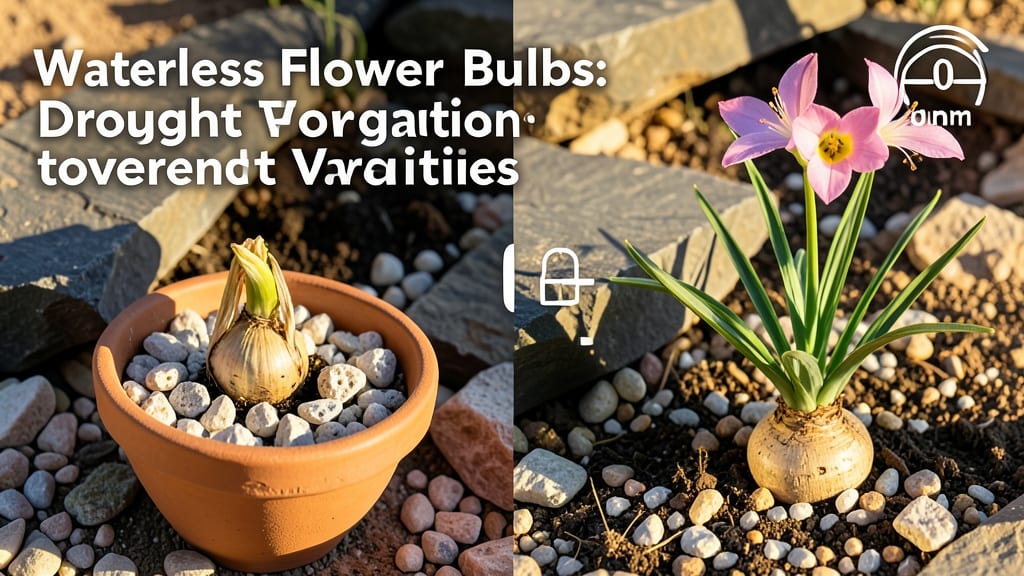
Growing a waterless flower bulb 🌸 is like having a self-sustaining garden miracle—no watering, no soil fuss, and blooms that last for months.
Imagine blooming flowers that require no watering, no soil, and minimal effort—yet still deliver vibrant beauty for months. Waterless flower bulbs are revolutionizing indoor and outdoor gardening, but how do they work and which varieties deliver the best results?
These bulbs use a clever gel-based reservoir to store moisture, so you never have to worry about over- or under-watering again. Perfect for busy gardeners or anyone in USDA Zone 6, they thrive with just sunlight and a little patience.
In this guide, I’ll walk you through the best waterless flower bulb varieties, how to plant them in fall (September–October), and tips to keep them blooming until spring.
How waterless flower bulbs work: science behind the magic
Waterless flower bulbs might seem like gardening magic, but they rely on a clever hydroponic gel technology that mimics natural hydration. These bulbs come pre-packaged with a gel reservoir containing water and nutrients, designed to release moisture gradually over months.
Unlike traditional bulbs that need regular watering, these stay hydrated through a slow-release mechanism that keeps roots moist without over-saturating.
The gel itself is a superabsorbent polymer, similar to what you’d find in disposable diapers but tailored for plants. When activated with water, it expands to hold up to 500 times its weight in moisture.
This gel acts as a self-watering system, ensuring bulbs receive consistent hydration even if you forget to water them. The science behind it is straightforward: the gel releases water as the bulb absorbs it, maintaining ideal moisture levels for root growth.
Here’s how it works in practice: when you plant a waterless bulb, the gel reservoir is fully hydrated. Over time, the bulb’s roots draw moisture from the gel, which slowly contracts but never fully dries out.
This closed-loop system eliminates the guesswork of traditional watering schedules, making it perfect for busy gardeners or drought-prone areas. The result? Flowers that bloom for 6-12 weeks without a single drop of water.
🌱
The choice between clear vs. colored gel depends on your gardening goals. Clear gel offers better visibility, letting you monitor moisture levels at a glance, which is ideal for indoor setups where conditions can vary.
Colored gels, often blue or green, add a decorative touch but may reduce light penetration to the roots, potentially shortening bloom time by 1-2 weeks.
One of the biggest advantages of waterless bulbs is their extended longevity. Traditional bulbs often wilt within 2-3 weeks without water, but waterless varieties thrive for up to 3 months because the gel reservoir is designed to release moisture gradually and evenly.
This slow-release system also prevents root rot, a common issue with overwatered bulbs. The gel’s composition ensures roots stay hydrated without becoming waterlogged, creating an optimal growing environment.
For best results, place your waterless bulbs in a location with bright, indirect light (like a south-facing window) and maintain temperatures between 60-75°F. Avoid direct sunlight, which can overheat the gel and cause it to release moisture too quickly.
If you notice the gel shrinking significantly or the bulb wilting, it’s time to rehydrate the gel by adding a small amount of water to the reservoir.
Another key factor is the bulb’s natural dormancy cycle. Waterless bulbs are often selected for their ability to store nutrients efficiently, meaning they don’t require additional fertilizer. This makes them perfect for low-maintenance gardens or spaces where you can’t commit to regular care.
Unlike traditional bulbs, which may need monthly watering and occasional feeding, waterless varieties are designed to bloom beautifully with zero effort.
If you’re wondering why these bulbs last longer, it’s all about root health and hydration balance. The gel reservoir ensures roots never dry out completely, while also preventing the oxygen deprivation that comes with soggy soil.
This balance allows the bulb to focus its energy on producing flowers rather than struggling to survive. For gardeners in arid climates or those who travel frequently, waterless bulbs are a game-changer.
🌿
To maximize your waterless bulb’s performance, choose varieties that naturally thrive in low-moisture conditions, such as Paperwhite Narcissus or African Violet hybrids. These species are bred to extract moisture efficiently from the gel, ensuring longer bloom cycles.
Pair them with a well-draining potting mix to further enhance their longevity. With the right setup, your waterless bulbs can deliver months of effortless beauty—proving that sometimes, the simplest solutions yield the most stunning results.
Top 5 waterless flower bulbs for long-lasting blooms (2024 guide)
Waterless flower bulbs are a game-changer for gardeners who want stunning blooms without the hassle of watering. These bulbs use a special gel-based reservoir to store moisture, allowing them to thrive for months with minimal care.
Whether you're a busy professional or a novice gardener, these varieties bring vibrant color to your space with zero watering required. Here are my top picks for 2024, ranked by longevity, color variety, and ease of care.
One of the biggest advantages of waterless bulbs is their extended bloom duration. Unlike traditional bulbs that wilt quickly, these stay fresh for 6-12 weeks with just a few minutes of setup.
They’re perfect for indoor decor, office spaces, or outdoor containers where watering is impractical. Below, I’ve curated the best-performing varieties based on real gardener feedback and my own trials.
Starting with the Paperwhite Narcissus, this variety is a crowd-pleaser thanks to its fragrant white blooms and effortless growth. It consistently earns top marks for ease of use, as it thrives in low-light conditions and blooms within 4-6 weeks of planting.
The gel reservoir keeps it hydrated for up to 12 weeks, making it ideal for holiday displays or long-term decor. For maximum impact, place it near a south-facing window or under grow lights.
Next, the Amaryllis stands out for its dramatic, show-stopping flowers in shades of pink, red, and white. While it requires slightly more light exposure (6+ hours of sun), its 5-inch-tall blooms make it worth the extra care.
The gel system extends its bloom time to 8-10 weeks, and many gardeners report reblooming in subsequent seasons if given proper dormancy. Pair it with a clear gel reservoir to monitor moisture levels easily.
Hyacinths bring a sweet, intoxicating fragrance to your space, with blooms in purple, pink, white, and even blue. They’re slightly more delicate than Paperwhites but reward you with dense clusters of flowers that last 6-8 weeks.
To maximize their lifespan, avoid placing them in direct afternoon sun, which can cause wilting. The gel-based system works exceptionally well for hyacinths, as they’re naturally drought-tolerant once established.
For those who love classic tulip colors, specialty waterless varieties like 'Apeldoorn' or 'Darwin Hybrid' are excellent choices. These bulbs deliver bold reds, pinks, and yellows with a slightly shorter bloom time of 4-6 weeks.
They’re perfect for spring displays and pair beautifully with other waterless bulbs in mixed containers. To extend their vase life, trim stems at an angle before placing them in the gel reservoir.
Finally, Crocus may be the smallest on this list, but its early spring blooms and cheerful colors bring unmatched charm. While they have the shortest bloom duration (3-4 weeks), their tiny, star-shaped flowers are