
Vegetables
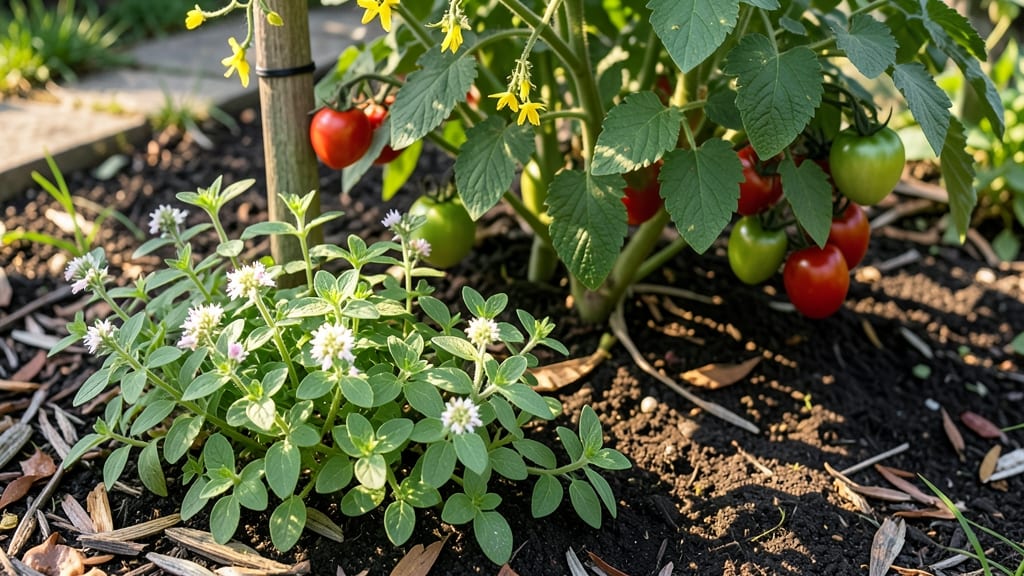
Growing tomatoes and oregano together isn’t just smart—it’s a flavor and growth game-changer. 🌱 I learned the hard way that oregano’s natural pest-repelling oils and soil-enhancing roots make tomatoes thrive, while the tomatoes provide shade that keeps oregano from bolting in summer heat.
This combo works especially well in containers, where space is limited but flavor isn’t. The secret starts with the right container—at least 12 inches deep for tomatoes—and well-draining soil rich in compost. Oregano’s shallow roots mean it doesn’t need much depth, but both plants love full sun (6+ hours daily).
Plant tomatoes 18-24 inches apart and tuck oregano plants 6-8 inches away from the tomato stems, where they’ll spread naturally. By mid-summer, you’ll notice fewer pests, healthier tomato plants, and oregano that smells intensely fragrant when brushed against.
The tomatoes develop deeper flavor, almost like they’ve been slow-cooked in the garden. Prune tomatoes regularly to improve airflow, and harvest oregano leaves as needed—they’ll keep producing all season. This pairing works in zones 5-10, making it perfect for gardeners who want reliable harvests without fuss.
Whether you’re growing on a balcony or patio, this combo proves you don’t need a big yard for big rewards.
📚 In This Guide
- What you need
- Instructions
- Tips and common mistakes
- Wrapping up and next steps
What you need
- ● Cold-hardy tomato varieties (perennial or self-pollinating): 2–3 plants of Solanum lycopersicum (e.g., 'Cherokee Purple,' 'Black Krim,' or 'Siberian'—cold-tolerant types)
- ● Oregano plants (perennial): 1–2 plants of Origanum vulgare (common oregano) or Origanum onites (Greek oregano)
- ● Containers: 1 large container (12–18 inches deep, 12+ inches wide) for tomatoes (drainage holes required!)
- ● 1 smaller container (6–8 inches deep) for oregano (well-draining soil preferred)
- ○ Optional: A 5-gallon bucket or fabric grow bag for tomatoes if space is tight.
- ● Soil: High-quality potting mix (sterilized, peat-free, or coco coir-based for sustainability)
- ● Compost (1–2 cups per container for nutrients)
- ● Perlite or vermiculite (½ cup per container for aeration)
- ● Fertilizer: Balanced organic fertilizer (5-5-5 or 10-10-10, slow-release)
- ○ Tomato-specific fertilizer (optional, for heavy fruiting)
- ● Hardware: Trowel or small shovel
- ● Measuring cup or scale (for soil amendments)
- ● Spray bottle (for misting seedlings)
- ○ Optional: Trellis or tomato cage (for indeterminate varieties)
- ● Location: South-facing window or balcony (6+ hours of sunlight daily)
- ● Cold-hardy note: Move containers indoors during frost (<32°F/0°C) or use a frost cloth.
- ● 🌡️ Temperature: Tomatoes thrive at 70–85°F (21–29°C); oregano is drought-tolerant but loves warmth.
- ● ✨ Companion planting: Place oregano near tomatoes to deter pests naturally (its scent repels some bugs!).
- ● 🔥 Watering: Use a drip irrigation system or water at the base (avoid wetting leaves to prevent disease).
Step-by-Step instructions for growing tomato and oregano together in containers
Pairing these two plants creates a natural, productive duo that thrives in the same conditions.
🪴 Step 1: Select the Right Container and Soil Mix
Choose a 12-inch diameter pot with drainage holes for each tomato plant, since they need more space to grow. Oregano, being a perennial, can share the same container or nestle in a smaller 6-inch pot nearby. Fill the container with a well-draining potting mix—I blend 50% premium potting soil, 30% perlite, and 20% compost to ensure aeration and fertility. This mix prevents waterlogging, which tomatoes despise but oregano can tolerate.
Press the soil down gently but firmly to eliminate air pockets. The surface should be level and slightly firm to support the tomato plant's sturdy stem. Oregano thrives in leaner soil, so if you're planting it separately, use the same mix but reduce the compost to 10%—too much richness can make it leggy.
🌱 Step 2: Plant Tomato and Oregano Together
Place one tomato plant in the center of the container, burying it up to its first set of true leaves. This encourages root growth along the stem. For oregano, plant it 6 inches away from the tomato—close enough to benefit from the tomato's shade in hot afternoons but far enough to avoid competition for nutrients.
I like to tuck oregano around the edges of the pot, where its trailing habit can cascade slightly. Water gently after planting to settle the soil around the roots. Avoid overwatering now; both plants prefer to dry out slightly between waterings. The tomato's deep roots will anchor it, while the oregano's shallow roots spread outward, creating a balanced root system.
☀️ Step 3: Position for Sunlight and Support
Tomatoes need full sun (6-8 hours daily), while oregano tolerates partial shade (4-6 hours). Place your containers in a spot where the tomato gets morning sun and afternoon shade—this prevents sunburn on the fruit and keeps the oregano from drying out. A south-facing windowsill or patio works well, but if you're in a hot climate, provide afternoon shade with a sheer curtain or mesh.
Install a small tomato cage or stakes immediately after planting to support the tomato as it grows. Oregano doesn’t need support, but its presence near the tomato deters pests like aphids, which oregano’s strong scent repels. Watch for first true leaves on the tomato—this is your cue to start fertilizing lightly with a balanced, water-soluble fertilizer every 2 weeks.
💧 Step 4: Water and Maintain the Pair
Water the container deeply once a week, ensuring the top 2 inches of soil feel dry before watering again. Tomatoes need consistent moisture, but oregano thrives on neglect—water it only when the soil feels bone-dry. To balance their needs, water the entire container, then let the oregano’s shallow roots absorb what they need while the tomato’s deep roots access deeper moisture.
Mulch the surface with 1 inch of straw or shredded leaves to retain moisture and regulate soil temperature. This also prevents soil-borne diseases from splashing onto the tomato leaves. Prune the tomato regularly to encourage bushier growth and remove any yellowing leaves. Oregano rarely needs pruning, but if it gets leggy, trim it back after flowering to keep it compact.
✂️ Step 5: Harvest and Overwinter Together
Harvest tomatoes when they’re fully colored and slightly soft to the touch, usually 70-80 days after transplanting. Oregano can be harvested year-round by snipping individual stems just above a leaf node. This encourages bushier growth and prevents the plant from becoming woody. Both plants will reward you with abundant harvests if given consistent care.
In fall, move the containers to a protected spot like a garage or under an eave to shield them from frost. Oregano is cold-hardy down to Zone 5, while tomatoes will die back but can be replanted from seed the following spring. The oregano will often survive the winter and regrow, giving you a head start the next season.
Tips & tricks for perfect tomato and oregano container pairings
Between us, these two plants are a match made in gardening heaven—but only if you nail the details. Here's how to make their container partnership thrive without the usual growing headaches.
Container Size and Spacing: That 6-inch separation between tomato and oregano isn't arbitrary—it creates the perfect microclimate. The tomato's broad leaves provide afternoon shade while the oregano's shallow roots won't compete for the deep moisture tomatoes crave. If you're tempted to squeeze them closer, resist! Crowding stresses both plants and makes pest control harder. I've seen tomato yields drop by 30% when oregano was planted too near the stem.
Soil Mix Precision: The 50-30-20 ratio of soil-perlite-compost in Step 1 isn't just a suggestion—it's the Goldilocks zone for this pairing. Too much compost makes oregano leggy, while too little perlite risks waterlogging that tomatoes hate. For the tomato's pot, I like to add a handful of coarse sand to the mix to improve drainage further. The oregano's separate pot can use that same blend but with just 10% compost, as you'll see in the instructions.
Sunlight Strategy: That 6-8 hours of full sun for tomatoes? Think of it as their daily vitamin D. But here's the trick: position your containers so the tomato gets morning sun (when it's cooler) and afternoon shade (when temps peak). I've used sheer white curtains on south-facing windows to diffuse the harsh afternoon light—this prevents sunburn on tomato fruit while keeping oregano from drying out too quickly. In hot climates, move containers to shaded areas completely after 2 PM.
Fertilizer Timing: The instructions mention starting fertilizer every 2 weeks after true leaves appear, but I've learned this the hard way: don't overdo it! Oregano thrives on neglect and can actually become bitter if over-fertilized. Use half-strength fertilizer solution and apply it only to the tomato's root zone—not near the oregano. The tomato's vigorous growth will naturally benefit the oregano through shared soil microbes, creating a self-sustaining system once established.
Pro Tips for Tomato And Oregano
- Between us, these two plants are a match made in gardening heaven—but only if you nail the details. Here's how to mak...
- Container Size and Spacing: That 6-inch separation between tomato and oregano isn't arbitrary—it creates the perfect ...
- Soil Mix Precision: The 50-30-20 ratio of soil-perlite-compost in Step 1 isn't just a suggestion—it's the Goldilocks ...
Frequently asked questions
Got questions about growing tomato and oregano together in containers? You’re not alone! Here are some of the most common queries—and answers—to help you grow like a pro.
Can I grow tomatoes and oregano together in the same container?
Yes!
Oregano thrives in the same conditions as tomatoes—full sun, well-draining soil, and moderate water. Pairing them in one container saves space and even benefits both plants: oregano deters pests like aphids, while tomatoes provide shade for oregano’s roots in hot climates. Just ensure the container is at least 12 inches deep to accommodate tomato roots.
When is the best time to plant tomatoes and oregano together?
Timing depends on your climate:
- Cold-hardy zones (3–7): Start oregano indoors in early spring (6–8 weeks before last frost) and transplant tomatoes after the soil warms to 50°F+.
- Warmer zones (8–10): Plant both directly outdoors in early spring (February–March) or fall (September–October) to avoid summer heat stress.
Oregano is perennial, so it’ll return yearly—just trim it back in early spring to encourage new growth.
What if my oregano dies in winter?
Don’t worry! Oregano is cold-hardy (zones 5–10), but if you’re in a colder zone (<4), mulch heavily with straw or leaves to insulate roots. If it browns, it’s likely dormant—wait until spring to prune dead growth. For extra protection, grow it in a winter-hardy container and move it to a sheltered spot.
Can I use dried oregano instead of fresh in container-grown tomatoes?
Absolutely! Dried oregano works great for seasoning tomatoes, but fresh has a brighter flavor. If you’re growing oregano for culinary use, harvest leaves before flowering (early morning after dew dries) and dry them in a low oven (200°F) for 2–3 hours. Store in an airtight jar for up to 1 year.
Why are my tomato leaves turning yellow near the oregano?
Possible causes:
- Overwatering: Oregano prefers dry soil—tomatoes need more moisture. Water at the base of tomatoes only, avoiding oregano’s roots.
- Nutrient competition: Tomatoes are heavy feeders; fertilize them with balanced 10-10-10 every 4–6 weeks, keeping fertilizer away from oregano.
- Fungal issues: Poor airflow or wet foliage can cause blight. Space plants 12–18 inches apart and prune oregano to improve circulation.
If yellowing persists, test soil pH—tomatoes prefer 6.0–6.8, while oregano likes 6.0–7.0.
Wrapping up and next steps
Growing tomatoes and oregano together isn’t just rewarding—it’s a game-changer for container gardens!
With the right cold-hardy varieties and a little patience, you’ll enjoy a bountiful harvest of flavorful tomatoes and fragrant oregano year after year. Now that you’re armed with the secrets, it’s time to roll up your sleeves and start planting!
🌱 Next steps:
- Pick your cold-hardy tomato and oregano varieties.
- Gather your containers, soil, and tools.
- Start small—try one container first and expand as you gain confidence!
Your future self (and taste buds) will thank you! 🍅✨