
Picking
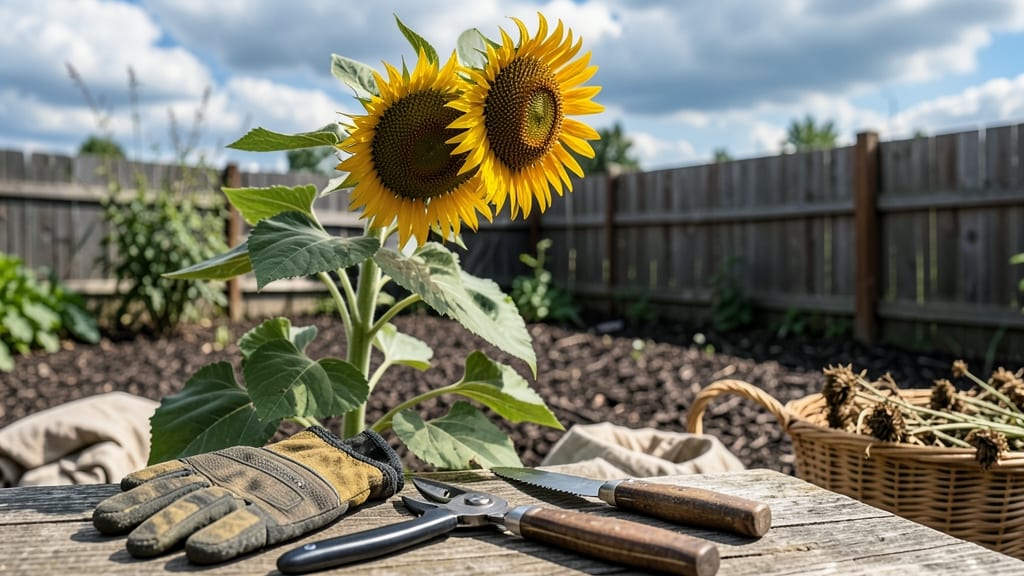
Harvesting sunflowers at the right time ensures you get the maximum seed yield—and missing the window means wasted effort.
Picture this: you’ve nurtured your 🌻 sunflowers all season, only to cut them too early and end up with soft, unusable seeds—or worse, none at all. The key is knowing when the petals wilt, the back of the head turns yellow, and the seeds rattle inside.
Get it wrong, and you’re left with a crop that’s either too green or too dry.
In USDA Zone 6a, where most home gardeners grow sunflowers, the harvest window typically falls between July and September, about 70–90 days after planting.
But timing isn’t just about the calendar—it’s about watching for those telltale signs that your sunflowers are ready to be picked for seeds, flowers, or even greens.
Below, I’ll walk you through the exact days to harvest, how to tell when your sunflowers are perfect for cutting, and what to do next to store or use them—so you don’t end up with a harvest that’s less than stellar.

When to harvest sunflowers for maximum seed yield: exact days and signs
Harvesting sunflowers at the right time ensures you get the biggest seed yield and the best quality seeds for planting next year. Most sunflower varieties take 75–90 days from planting to reach peak harvest time, but knowing the exact signs is just as important as counting days.
Harvest too early, and your seeds won’t be fully mature; wait too long, and birds or weather may ruin your crop.
Timing your harvest correctly also affects whether you’re growing sunflowers for seeds, flowers, or greens. For maximum seed production, focus on the dryness of the flower head and the maturity of the seeds inside. These visual cues are your best indicators that it’s time to harvest.
| Stage | Days After Planting | Visual Cues | Action |
|---|---|---|---|
| Early Bloom | 50–60 days | Petals fully open, vibrant yellow | Monitor for pests, ensure pollination |
| Peak Bloom | 60–70 days | Petals start wilting, brown edges | Begin checking seed maturity |
| Seed Maturity | 75–90 days | Back of head turns yellow, seeds rattle | Harvest for maximum seed yield |
| Overripe | 90+ days | Head fully brown, seeds may scatter | Risk of seed loss; harvest if needed |
The ideal harvest window for sunflowers is when the flower petals begin to wilt and the back of the head turns yellow. This usually happens 75–90 days after planting, depending on the variety.
For example, dwarf varieties like ‘Teddy Bear’ mature faster (60–70 days), while giant varieties like ‘Mammoth’ may take up to 120 days.
One of the easiest ways to check seed maturity is to shake the flower head. If the seeds inside rattle like marbles, they’re ready to harvest. This sound means the seeds are fully dry and won’t sprout if planted immediately.
If you hear a dull thud, the seeds are still too moist and need more time.
Another key sign is the color of the seed head. When the outer bracts (papery bits) turn brown and the center of the head feels dry, it’s time to harvest. If the head is still green or moist, the seeds won’t store well and may spoil.
Pay attention to the underside of the petals—if they’re turning brown, your sunflowers are nearly ready.
Regional differences can also affect harvest timing. In warmer climates, sunflowers may mature faster, while cooler regions might see a delayed harvest. If you’re in a short growing season, opt for early-maturing varieties like ‘Autumn Beauty’ to ensure you get a harvest before frost.
Harvesting at the right time isn’t just about seed quality—it’s also about preserving the flower’s beauty. If you’re cutting sunflowers for arrangements or bouquets, harvest when the petals are fully open but still vibrant.
For seed production, wait until the petals wilt and the head dries out. This dual-purpose timing ensures you get both beautiful blooms and plentiful seeds.
If you miss the perfect harvest window, don’t panic. Sunflowers can stay on the stalk for a few extra days, but beware of birds and squirrels, which love to snack on ripe seeds.
To protect your crop, cover the heads with fine mesh netting once they start drying out. This simple step can save your entire harvest from hungry wildlife.
Once you’ve confirmed your sunflowers are ready, the next step is cutting them properly to preserve the seeds. Use a clean, sharp pair of pruners or shears to avoid crushing the head.
Leave a 2–3 inch stem attached to make drying easier. Hang the heads upside down in a dry, well-ventilated space for 1–2 weeks to fully dry the seeds.
Remember, the earlier you harvest, the smaller your seeds will be, but the later you wait, the higher the risk of loss. Strike the balance by watching for those yellowing petals and rattling seeds, and you’ll enjoy a bountiful sunflower harvest every time. 🌾
How to cut sunflowers for harvesting: step-by-step techniques to preserve seeds
Once your sunflowers reach their harvest-ready stage, knowing the right way to cut them ensures you preserve those nutrient-rich seeds for planting next year or snacking.
The method you choose—whether cutting the entire stem or just the flower head—depends on your drying space and how you plan to use the seeds. I’ll walk you through both techniques, plus the tools and conditions you need for success.
Before you grab your pruners, gather these essential tools: a sharp pair of bypass pruners or a clean knife, a bucket or burlap sack for collecting heads, and a paper bag for each cut head if drying indoors.
Avoid dull tools, as they crush stems and damage seed heads. A drying rack or hanging space is also key—whether it’s a garage, shed, or well-ventilated indoor area.
Step-by-Step Guide to Harvesting Sunflowers
-
Step 1: Choose the Right Time
Harvest when the back of the head turns yellow and the petals wilt. The seeds should rattle when shaken gently. -
Step 2: Cut the Stem or Head
Option A (Full Stem): Cut the stem 3-4 inches below the head with clean pruners. Hang upside down in a dry, dark place (e.g., garage or shed). Option B (Head Only): Twist or cut the head off the stem, leaving a 1-inch stem attached. Place heads in paper bags with holes for airflow. -
Step 3: Dry Properly
Ideal drying conditions: 70–80°F and 40–50% humidity. Avoid moisture—this prevents mold and pests. Drying takes 2–4 weeks depending on conditions. -
Step 4: Test Seed Readiness
Press a seed between your fingers—it should crush easily with no moisture. If it’s still hard or green, dry longer. -
Step 5: Store Seeds
Remove seeds from dried heads and store in an airtight container (like a glass jar) in a cool, dark place. Label with the harvest year for future reference.
Drying is the most critical step—moisture is the enemy of seed storage. If your seeds feel damp after drying, spread them out on a towel for another day or two.
Humidity above 50% can cause mold, so monitor your drying space closely. A dehumidifier or fan can help maintain ideal conditions if you’re drying indoors.
After drying, store your seeds in a cool, dark place like a pantry or basement. A glass jar with a tight-sealing lid is perfect for long-term storage. Label the jar with the harvest year and variety—this helps you track germination rates over time.
With proper storage, sunflower seeds can stay viable for 2–3 years, though germination rates drop after the first year.
Pro tip: If you’re harvesting for birdseed or immediate use, you can skip the full drying process and roast the seeds fresh. But for saving seeds or planting next season, always dry them thoroughly to ensure high germination rates. 🌾