
Flowers
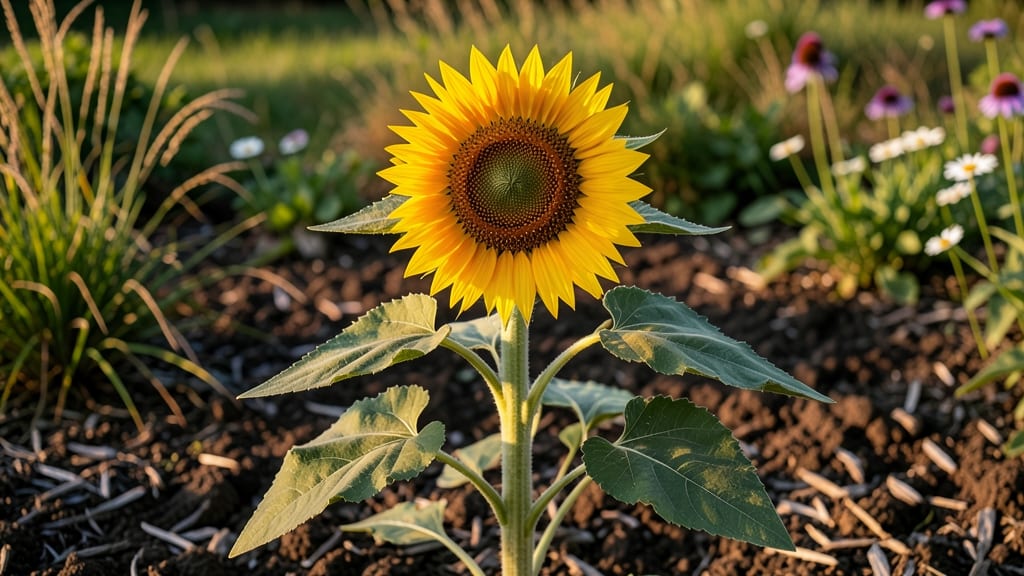
The Sunfinity sunflower’s height can reach an impressive 4 to 5 feet—taller than most gardeners expect, but with the right care, it stays sturdy and stunning.
If you’ve ever dreamed of sunflowers reaching sky-high while still thriving in your garden, the Sunfinity sunflower could be your answer—when planted with the right spacing and support.
This variety stands out because it grows upright without needing constant staking, making it perfect for small gardens or containers. Unlike giant sunflowers that flop over, the Sunfinity’s compact size and strong stems let it reach its full potential with minimal fuss.
Below, I’ll share proven tricks for spacing, support, and care to ensure your Sunfinity sunflowers tower beautifully—without toppling over.

How tall do Sunfinity sunflowers grow? Real height data and growth factors
If you’re growing Sunfinity sunflowers for their dramatic height, you’re in for a treat—these giants can reach an impressive 8 to 12 feet tall under ideal conditions.
Unlike their shorter cousins, Sunfinity sunflowers are bred to grow vertically, making them perfect for adding vertical interest to your garden or even as natural privacy screens.
Their towering stature is a result of careful genetic selection and optimal growing conditions, but achieving that full height requires more than just planting seeds.
The Sunfinity sunflower’s height isn’t just about genetics—it’s also heavily influenced by sunlight exposure, soil quality, and watering consistency. For example, plants grown in full sun (6+ hours daily) with well-draining, nutrient-rich soil can easily hit the upper end of the height spectrum.
Meanwhile, those in partial shade or poor soil may max out at 6 to 8 feet. Even small differences in care can mean the difference between a 10-foot stunner and a 7-foot disappointment.
Here’s a quick look at how Sunfinity sunflowers compare to other popular varieties in terms of height and growth habits:
Sunfinity sunflowers thrive in full sun, where they can channel energy into vertical growth rather than leafy foliage. If you’re planting them in a spot with partial shade, expect their height to drop by 20–30%.
For example, a plant in 4–6 hours of sun might only reach 6–8 feet, while one in 8+ hours could easily surpass 10 feet.
This is why I always recommend planting them in the sunniest part of your garden, even if it means sacrificing a corner of your vegetable patch.
Another critical factor is soil fertility. Sunfinity sunflowers are heavy feeders, especially during their rapid growth phase in spring and early summer. Amending your soil with compost or a balanced fertilizer (5-10-10) at planting time gives them the nutrients they need to grow tall and strong.
Without proper fertilization, you’ll notice stunted growth, weaker stems, and smaller flower heads—all signs of nutrient deficiency. I’ve seen Sunfinity sunflowers in nutrient-poor soil max out at just 5–6 feet, even with full sun.
Watering plays a surprising role in height, too. While Sunfinity sunflowers are drought-tolerant once established, they need consistent moisture during their first 6–8 weeks to support rapid stem elongation. Deep watering 2–3 times per week during dry spells encourages taller growth, while underwatering can lead to shorter, thicker stems.
I once grew a batch of Sunfinity sunflowers where half the plants were watered deeply and the other half were neglected—by mid-summer, the well-watered plants were 2 feet taller on average.
One common misconception is that Sunfinity sunflowers don’t need support, but nothing could be further from the truth. Their tall, slender stems are prone to lodging (falling over), especially in windy conditions or when fully mature.
Without support, a 10-foot sunflower can easily snap at the base, leaving you with a sad, leaning plant. I recommend installing stakes or trellises at planting time to give them something to lean on as they grow.
Even a simple bamboo stake tied loosely to the stem can make a huge difference in their final height and stability.
If you’re growing Sunfinity sunflowers in containers or small spaces, their height might be slightly limited due to root restriction. In pots, they typically max out at 6–8 feet unless you’re using a very large container (at least 18 inches deep).
For the tallest results, always plant them in the ground with plenty of room to spread their roots. I’ve found that 18–24 inches of spacing between plants allows them to grow their full height without competing for nutrients or space.
For those curious about the growth timeline, Sunfinity sunflowers typically reach 50% of their mature height by mid-summer (around 6–8 feet) and continue growing until the first frost.
Their rapid growth makes them a fantastic choice for cut flowers, as you can harvest stems at 6–8 feet and still let the remaining plants continue growing. This two-for-one approach maximizes your garden’s productivity without sacrificing height.
To summarize, achieving the full 8–12 foot height of Sunfinity sunflowers requires a combination of full sun exposure, rich soil, consistent watering, and proper support. Skip any of these, and you’ll likely end up with a shorter, less
Optimal spacing and support tricks to maximize Sunfinity sunflower height
To coax your Sunfinity sunflowers to reach their 8–12-foot potential, proper spacing and support are non-negotiable. These towering beauties need room to spread their roots and sturdy structures to prevent lodging (when stems flop over).
Without the right setup, even the hardiest plants will struggle to stand tall, let alone bloom at their best.
Start with 18–24 inches between plants—this gives roots enough space to anchor while allowing sunlight to reach all stems. Crowding them too closely forces competition for nutrients and light, stunting growth. If you’re planting in rows, space them 2–3 feet apart to further reduce congestion.
This might seem generous, but trust me: your sunflowers will thank you with sky-high stems and vibrant blooms.
Step-by-Step Guide to Spacing & Support
- Step 1: Space seeds 18–24 inches apart at planting. Thin seedlings to maintain this gap once they sprout.
- Step 2: Install supports (trellises, stakes, or cages) at planting time. Bury stakes 6–8 inches deep for stability.
- Step 3: Use organic supports like bamboo stakes or coconut coir ties for eco-friendly options. Synthetic twine works too but may degrade faster.
- Step 4: Tie stems loosely to supports every 4–6 inches as they grow. Avoid tight binding to prevent stem damage.
- Step 5: Adjust supports seasonally. In windy areas, add extra stakes or use windbreaks to prevent bending.
- Step 6: Mulch heavily around the base to retain moisture and reduce stem stress from temperature swings.
For Sunfinity sunflowers, I recommend trellising or staking as soon as they hit 12–18 inches tall. These plants can get top-heavy, and without support, they’ll flop like overgrown weeds.
I’ve seen 10-foot stems snap under their own weight if left unsupported—heartbreaking! Use bamboo stakes or metal cages for durability, especially in windy climates.
Organic supports like coconut coir ties or hemp twine are my go-to for eco-conscious gardeners. They’re gentle on stems and biodegradable, but they require more frequent adjustments.
Synthetic options like plastic plant ties last longer but can cut into stems if too tight. Always tie loosely and check weekly to avoid restricting growth.
Don’t forget to seasonal adjust your supports. In early spring, when stems are still tender, use softer ties to prevent bruising. By midsummer, when growth accelerates, switch to sturdier materials to handle the extra weight.
If you’re in a high-wind zone, consider triple-staking—three stakes at 120-degree angles—for maximum stability.
With the right spacing and support, your Sunfinity sunflowers will soar to their full height, turning your garden into a sun-drenched masterpiece. Just remember: patience and consistency are key—these giants won’t reach their potential overnight! 🌻