
Vegetables
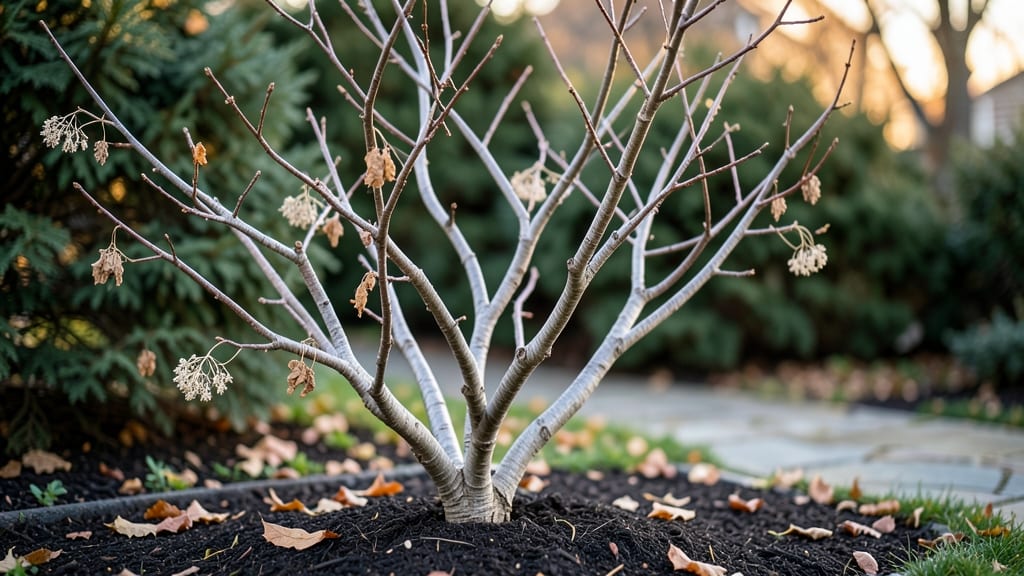
Your summersweet shrubs (Clethra alnifolia) will reward you with fragrant blooms next summer if you handle winter right. 🌿 These deciduous shrubs go dormant, but frost can still damage tender stems—especially in colder zones—so proper care now prevents winter stress and sets up a stronger spring.
First, prune back any dead or damaged stems in late winter before new growth starts. Then, mound 3-4 inches of mulch around the base to insulate roots, but keep it 6 inches away from the trunk to avoid rot.
Summersweets handle cold dieback naturally, but this protection helps them bounce back faster.
Watch for signs of winter stress like split bark or mushy stems—these mean moisture got trapped. If your zone drops below -20°F, wrap young shrubs in burlap for extra protection. The payoff? Lush, fragrant blooms by late June, and fewer weak stems struggling to recover.
This care routine works for zones 3-8, though mature shrubs in zone 5+ often need minimal help. The key is balancing protection with airflow—too much mulch or wrapping can cause more harm than good. Let’s get those shrubs through winter like a pro!
📚 In This Guide
- What you need
- Instructions
- Tips and common mistakes
- Wrapping up and next steps
What you need
- ● Pruning shears or loppers: Sharp, clean tools (bypass pruners work best) to trim dead or damaged stems. Size: 6–8" blades for precision.
- ● Garden gloves: Heavy-duty, cut-resistant gloves to protect hands from thorns or sharp branches.
- ○ Mulch (optional but recommended): Organic mulch: Shredded bark, wood chips, or straw (2–3 inches thick). Tip: Avoid fresh wood chips near the base to prevent rot.
- ● Inorganic mulch (for rocky areas): Gravel or landscape fabric (if needed for weed suppression).
- ● Watering can or hose: For final hydration before winter (if your climate is dry).
- ○ Fertilizer (optional): Slow-release, balanced fertilizer (10-10-10 or similar) to nourish roots before dormancy. Apply in early fall.
- ● Burlap or frost cloth: Lightweight cover (if planting in a Zone 5 or colder) to shield young shrubs from harsh winds.
- ○ 🔍 Inspection tools: A small hand lens (optional) to check for pests or disease before pruning.
- ○ 🌡️ Thermometer (optional): A soil thermometer to monitor ground temps if you’re experimenting with microclimates.
- ● 🛠️ Tool sanitizer: Rubbing alcohol (70%+) to clean pruners between cuts and prevent spreading disease.
Instructions for protecting summersweet shrubs through winter dieback
Here's how to keep your summersweet thriving year-round by mastering the art of winter dormancy.
🌿 Step 1: Assess and Prune for Winter Readiness
Start by evaluating your summersweet shrubs in late fall, after the first hard frost but before the ground freezes. Look for any dead, diseased, or crossing branches—these need removal now to prevent winter damage. Use clean, sharp pruning shears to make cuts just above a healthy bud or lateral branch.
This isn't about heavy pruning—just tidying up. You'll see the stems have turned brown and crispy by now, which is normal. The key is to remove only what's clearly dead or damaged. Don't worry about shaping the shrub; we're preparing it for dormancy, not aesthetics.
☀️ Step 2: Apply a Layer of Mulch for Insulation
Spread a 3-4 inch thick layer of organic mulch—like shredded bark or wood chips—around the base of the shrub. Keep the mulch 6 inches away from the stem to prevent rot. This layer acts like a blanket, protecting roots from freezing temperatures and keeping soil moisture consistent.
I like to use the mulch I already have on hand, but avoid fresh wood chips that haven't decomposed. They can draw nitrogen from the soil and stress the plant. You'll see the mulch settle slightly over winter, so start with the thicker end of the range.
💧 Step 3: Water Deeply Before the Ground Freezes
Give your summersweet a deep watering in late fall, about 2-3 weeks before the first hard frost. This helps the roots establish moisture reserves for winter. Water until the soil is 6-8 inches deep—you'll know it's enough when the moisture reaches that depth without puddling.
Don't water after the ground freezes. You'll see the soil surface darken and harden when it's time to stop. This final watering is critical for survival, especially in areas with below 0°F winters. It's like giving the plant a last drink before hibernation.
✂️ Step 4: Protect Tender New Growth with Burlap
If your summersweet has any new, green growth that appears after the first frost, wrap it loosely with burlap or frost cloth. Secure it with twine or clips, but leave some airflow—you don't want to smother the stems. This extra layer helps prevent frost damage to tender tissue.
Check the wrap occasionally during mild winter thaws to ensure it's still in place. You'll see condensation inside if it's too tight, which can lead to rot. The goal is to shield without suffocating. This step is especially important for younger shrubs that haven't built up winter hardiness yet.
🪴 Step 5: Monitor and Adjust Through Winter
Keep an eye on your summersweet during winter, especially after temperature swings. If you see ice encasements or heavy snow, gently brush it off to prevent branch breakage. Use a broom or your hands—just avoid damaging the stems.
In late winter, around February, you can do a quick check for signs of life. If the buds are still firm and brown, the shrub is fine. If they're soft or green, it's a sign the plant is waking up early—time to start planning for spring pruning and fertilization.
Tips & tricks for protecting summersweet shrubs through winter
Winterizing your summersweet shrubs doesn't have to be complicated—just strategic. These key steps will help you avoid common pitfalls and ensure your plants make it through the cold season unscathed.
Pruning Precision: When assessing your shrubs in Step 1, focus on removing only the dead or damaged branches—never more than 20% of the plant. I learned this the hard way after over-pruning and weakening my shrubs. Look for crispy brown stems that snap easily when bent; these are ready for removal. Healthy stems should still have some green or flexible tissue underneath the bark.
Mulch Matters: For Step 2, don't skimp on that 3-4 inch mulch layer. I've seen people use only 1-2 inches, thinking it's enough, but that leaves roots vulnerable to temperature swings. Use a moisture meter to check soil moisture before applying mulch—it should be slightly damp but not soggy. This ensures your mulch will insulate properly without trapping excess moisture that could cause rot.
Timing is Everything: The deep watering in Step 3 is your last chance to hydrate the roots before dormancy. Water in the late afternoon or early evening when temperatures are cooler—this reduces evaporation and gives roots time to absorb moisture. If your area gets heavy rains in late fall, you might not need the full 6-8 inches of moisture; check soil dampness before watering.
Burlap Basics: When wrapping tender growth in Step 4, use burlap that's breathable but not see-through. I've used old pillowcases in a pinch, but they don't provide the same protection against windburn. Secure the wrap loosely—you should be able to slide two fingers between the wrap and the stem. This airflow prevents condensation buildup that could lead to fungal issues.
Pro Tips for Summersweet Shrub In Winter
- Winterizing your summersweet shrubs doesn't have to be complicated—just strategic. These key steps will help you avoi...
- Pruning Precision: When assessing your shrubs in Step 1, focus on removing only the dead or damaged branches—never mo...
- Mulch Matters: For Step 2, don't skimp on that 3-4 inch mulch layer. I've seen people use only 1-2 inches, thinking i...
Frequently asked questions
Got questions about keeping your summersweet shrubs thriving through winter?
You’re not alone! Here are answers to the most common concerns—from pruning puzzles to cold-hardiness hacks.
Can summersweet shrubs survive winter dieback?
Summersweet (Clethra alnifolia) is a deciduous shrub, meaning it naturally drops leaves in winter. While the foliage dies back, the roots and stems remain dormant and protected by bark. With proper mulching (3–4 inches of organic material like shredded leaves or straw), most varieties handle temperatures down to -20°F (-29°C) without issue. Just avoid heavy pruning in late fall—wait until early spring to shape it up!
How do I protect summersweet shrubs from winter damage?
Focus on three key steps:
- Mulch early: Apply a thick layer of mulch before the first hard frost to insulate roots.
- Avoid overwatering: Reduce irrigation in fall and let the soil dry slightly—wet roots freeze easier.
- Burlap wrap (if needed): For young shrubs or harsh climates, loosely wrap the crown with burlap to shield from windburn.
When is the best time to prune summersweet shrubs after winter?
Prune late winter to early spring (just as buds swell but before new growth starts). This timing:
- Encourages vigorous spring growth.
- Avoids cutting off next year’s flowers (which form on old wood).
- Lets you shape the shrub while it’s dormant and easier to see.
What if my summersweet shrub looks dead in winter?
Don’t panic! Summersweet shrubs often look brown and lifeless in winter, but they’re not dead. Check for:
- Green buds at the base of stems—signs of life!
- Flexible stems (not brittle)—a good sign roots are alive.
- No mold or soft spots on stems (a red flag for rot).
Are there cold-hardy alternatives to summersweet shrubs?
If winters in your area are brutal (below -20°F), consider these equally fragrant, low-maintenance shrubs:
Shrub
Cold Hardiness
Bonus Feature
Spirea (Spiraea japonica)
Zones 4–8 (-30°F)
Vibrant foliage + clusters of pink/white blooms.
Witch Hazel (Hamamelis)
Zones 4–8 (-30°F)
Showy winter flowers (yes, really!).
Dwarf Fothergilla (Fothergilla gardenii)
Zones 5–8 (-20°F)
Fragrant spring blooms + fiery fall foliage.
Wrapping up and next steps
Discovering that summersweet shrubs thrive even in winter—thanks to their cold dieback resilience—proves that beauty (and even a hint of fragrance!) can survive the chill. 🌿❄️ Whether you’re a seasoned gardener or a curious beginner, this hardy plant offers a low-maintenance way to keep your landscape vibrant year-round.
Ready to transform your outdoor space? Start by selecting the right variety for your climate, then give these shrubs the care they need to rebound beautifully in spring!
- Next step: Plan your winter prep—mulch, prune, and protect young plants to set them up for a stunning comeback. 🌱