
Vegetables
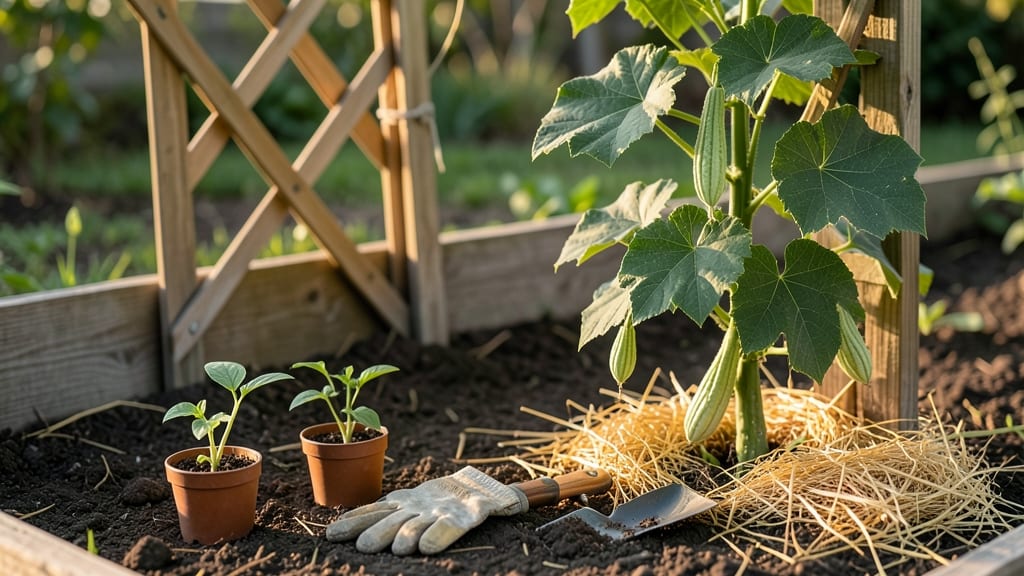
Planting ridge gourds transforms your garden into a low-maintenance vine factory that produces year-round harvests with almost no fuss. 🌿 I've grown them in my subtropical backyard for years, and they thrive even when I forget to water—just give them a sturdy trellis and some well-draining soil.
The first edible fruits appear in about 80-90 days, and the vines keep producing for months after that.
These tropical vines love warm climates but can handle brief cool spells if protected. Start with seeds or young plants in well-draining soil mixed with compost, and space them 3-4 feet apart—they spread fast but don’t need heavy pruning.
The key is keeping the soil consistently moist (not soggy) during the first few weeks while roots establish.
You’ll end up with long, bumpy fruits that taste best when young and tender, plus lush green foliage that repels pests naturally. The vines are drought-tolerant once established, making them perfect for busy gardeners or dry seasons. Just watch for powdery mildew in humid areas—spraying neem oil prevents it.
Works in containers too if you trim them back regularly. Here’s how to keep them thriving all season long—no green thumb required!
📚 In This Guide
- What you need
- Instructions
- Tips and common mistakes
- Wrapping up and next steps
What you need
- ● Seeds or Seedlings: 5–10 ridge gourd seeds (organic, non-GMO preferred) or
- ● 3–5 healthy seedlings (transplant-ready, 4–6 weeks old)
- ● Soil: Well-draining, fertile soil (pH 6.0–7.0)
- ● Compost or aged manure (1–2 cups per planting hole)
- ● Growing Space: Full sun (6–8 hours/day) or partial shade (for hot climates)
- ● Trellis, fence, or sturdy stakes (6–10 ft tall for vines)
- ● Watering Supplies: Watering can or hose with gentle spray nozzle
- ○ Drip irrigation system (optional, for consistent moisture)
- ● Fertilizer: Balanced organic fertilizer (10-10-10 or compost tea)
- ○ Calcium-rich supplement (e.g., crushed eggshells, optional)
- ● Tools: Garden trowel or shovel
- ● Pruning shears (for trimming vines)
- ● Gloves (to protect hands from thorns)
- ● Mulch (straw or wood chips to retain moisture)
- ● Pest deterrents (neem oil, companion plants like marigolds)
- ● Garden twine or zip ties (to secure vines to trellises)
- ● pH testing kit (to monitor soil acidity)
- ● Row covers (for early-season frost protection)
Step-by-step guide to planting ridge gourd as a low-maintenance perennial vine
Here's how to establish ridge gourd for reliable harvests with almost no fuss—ideal for warm climates or containers.
🌱 Step 1: Select the Right Location and Prepare the Soil
Ridge gourd thrives in full sun with at least 6 hours of direct light daily, though it tolerates partial shade in hotter regions. Choose a spot with well-draining soil—this vine despises soggy roots. If your soil is heavy clay, amend with 2-3 inches of compost mixed into the top 12 inches of soil to improve aeration.
For containers, use a large pot (15+ gallons) with drainage holes. Ridge gourd's sprawling vines need room to grow—expect 10-15 feet of vine per plant. If growing in ground, space plants 5-6 feet apart to prevent overcrowding. I like to add a 3-inch layer of mulch around the base after planting to retain moisture and suppress weeds.
🌱 Step 2: Plant Seeds or Transplants at the Right Time
Sow seeds 1 inch deep after the last frost when soil temperatures reach 70°F or warmer. Ridge gourd is frost-sensitive, so wait until nighttime temps stay above 55°F. For perennial growth, plant in early spring—this vine will produce for years with minimal intervention.
If using transplants, choose healthy 4-6 week-old seedlings with 3-4 true leaves. Gently remove the plant from its container, tease the roots if they're circling, and place it in the hole so the crown sits 1 inch below soil level. Backfill with native soil and water deeply to eliminate air pockets. You'll see new growth within 7-10 days if conditions are right.
☀️ Step 3: Provide Support and Water Consistently
Ridge gourd needs strong trellising—install a 6-foot-tall trellis or fence near the planting site. As vines grow, gently weave them through the support to encourage upward growth. Without support, vines sprawl and produce fewer gourds. I use flexible twine to guide young vines until they latch onto the structure on their own.
Water deeply 2-3 times per week, aiming for 1-2 inches of moisture each session. Let the top 2 inches of soil dry between waterings to prevent root rot. During fruiting, increase watering to 3 times weekly—consistent moisture is key for gourd development. You'll know you're on track when leaves stay deep green and slightly wrinkled (not crisp or wilted).
✂️ Step 4: Prune and Harvest for Continuous Production
Prune leggy vines in early summer to redirect energy toward fruit production. Cut back 1/3 of the vine length, focusing on the oldest growth. This encourages bushier growth and more gourds. Remove any yellowed or diseased leaves immediately—they spread faster than you'd think.
Harvest when gourds reach 6-8 inches long and develop distinct ridges (the namesake feature!). Use pruning shears to cut the stem, leaving 1 inch of attachment. Regular harvesting stimulates more production—expect 3-5 gourds per vine in the first season, with 10+ annually once established. Store harvested gourds in a cool, dry place for up to 3 months.
🌿 Step 5: Overwinter for Perennial Growth (Zone 9-11)
In frost-free zones, ridge gourd is truly perennial—it regrows each spring with almost no care. Simply reduce watering in winter to once every 2-3 weeks and avoid pruning. The vine will go dormant but resprouts vigorously in spring. In cooler climates, treat as an annual or dig up tubers in fall and store in sand or peat moss at 50-60°F until replanting.
Here's the thing—once established, ridge gourd outperforms annual plantings. You'll spend less time replanting and more time harvesting. Just remember: patience is key. It takes 2-3 months for vines to mature, but the payoff is years of low-effort harvests.
Tips & tricks for thriving ridge gourd planting
Between us, ridge gourd's true magic happens when you nail these foundational details—once you do, the maintenance practically takes care of itself. Here's what nobody tells you about making this vine truly low-maintenance.
Soil Science: That 2-3 inches of compost isn't just about nutrients—it's about creating the perfect moisture balance. Ridge gourd roots need air, not waterlogged conditions. If your soil drains poorly, mix in perlite or coarse sand to break up clay particles. I've seen ridge gourds struggle in compacted soil, even with perfect sunlight. The key is that top 12 inches of soil should feel like a well-drained sponge, not concrete.
Timing Secret: The 70°F soil temperature threshold is non-negotiable—this vine simply won't germinate below that. I've tried planting earlier in cooler zones, and the seeds just sit there. Use a soil thermometer for 3 consecutive days above 70°F before planting. Pro tip: Black plastic mulch can warm the soil 5-10°F faster than bare ground, giving you an earlier start in marginal climates.
Trellis Technique: That 6-foot trellis isn't just for looks—it's where the real production happens. Without proper support, vines sprawl and produce fewer gourds. I recommend installing a sturdy trellis at planting time so you're not scrambling later. For heavy fruiting, add a second trellis 3 feet away to distribute the weight. The flexible twine is crucial for guiding young vines—think of it as training wheels for your gourd plant.
Watering Wisdom: The 2-inch moisture guideline is your golden rule, but timing matters just as much. Water in the morning so leaves dry by evening—this prevents fungal issues. During fruiting, I increase to 3 times weekly but monitor leaf texture. If leaves start looking crisp, you're overwatering; if they're drooping, you need more. The slightly wrinkled look is exactly what you want—it means the plant's using moisture efficiently.
Pro Tips for Ridge Gourd Planting
- Between us, ridge gourd's true magic happens when you nail these foundational details—once you do, the maintenance practically takes care of itself.
- Soil Science: That 2-3 inches of compost isn't just about nutrients—it's about creating the perfect moisture balance.
- Timing Secret: The 70°F soil temperature threshold is non-negotiable—this vine simply won't germinate below that.
Frequently asked questions
Got questions about growing ridge gourd? You’re not alone!
Here are answers to the most common queries—from timing to troubleshooting—to help you cultivate this easy-care vine with confidence.
When is the best time to plant ridge gourd?
Ridge gourd thrives in warm weather, so plant seeds after the last frost when soil temperatures reach 70°F (21°C) or higher. In tropical climates, you can grow it year-round, but cooler regions benefit from starting indoors 2–3 weeks before the last frost. For a continuous harvest, stagger plantings every 2–3 weeks.
How long does it take for ridge gourd to produce fruit?
With ideal conditions, ridge gourd vines can produce fruit in 60–70 days from planting. However, patience pays off—young vines may take 2–3 months to establish before flowering. Consistent watering and support (like trellises) speed up maturity. Expect the first harvest in late summer if planted in spring!
How often should I water ridge gourd plants?
Keep soil consistently moist but not soggy—ridge gourds need about 1–2 inches of water per week, especially during flowering and fruiting. Mulch around the base to retain moisture and reduce weeds. Pro tip: Water at the soil level (not leaves) to prevent fungal diseases like powdery mildew.
What pests or diseases commonly affect ridge gourd, and how do I prevent them?
Watch for aphids, cucumber beetles, and powdery mildew. Use neem oil or insecticidal soap for pests, and ensure good airflow between vines. Rotate crops annually to prevent soil-borne diseases. If mildew appears, spray plants with a baking soda solution (1 tsp baking soda + 1 quart water + a drop of soap) every 7–10 days.
Can I grow ridge gourd in containers, or does it need a garden bed?
Yes! Ridge gourds adapt well to large containers (at least 10–12 gallons) with drainage holes. Use a lightweight potting mix and provide a trellis for vertical growth. Just ensure the container gets 6+ hours of sunlight daily. For small spaces, dwarf varieties like ‘Mini Ridge’ are ideal.
How do I know when ridge gourds are ready to harvest?
Harvest when gourds are 4–6 inches long and firm to the touch, with a smooth, waxy skin. Use pruning shears to avoid damaging the vine. For tender, younger gourds, pick them smaller (2–3 inches). Warning: Overripe gourds become woody and bitter—check plants every 2–3 days during peak season!
Wrapping up and next steps
Growing ridge gourd is a rewarding way to enjoy a low-maintenance, high-yielding vegetable that thrives year-round with minimal fuss! Whether you're a seasoned gardener or a beginner, its resilience and adaptability make it a fantastic addition to any plot.
Now that you’re armed with planting tips and troubleshooting advice, it’s time to roll up your sleeves and get growing!
Start small—try a few vines in containers or a dedicated patch—and soon, you’ll be harvesting crisp, nutritious ridge gourds to savor in your favorite dishes. Happy planting! 🌱