
Vegetables
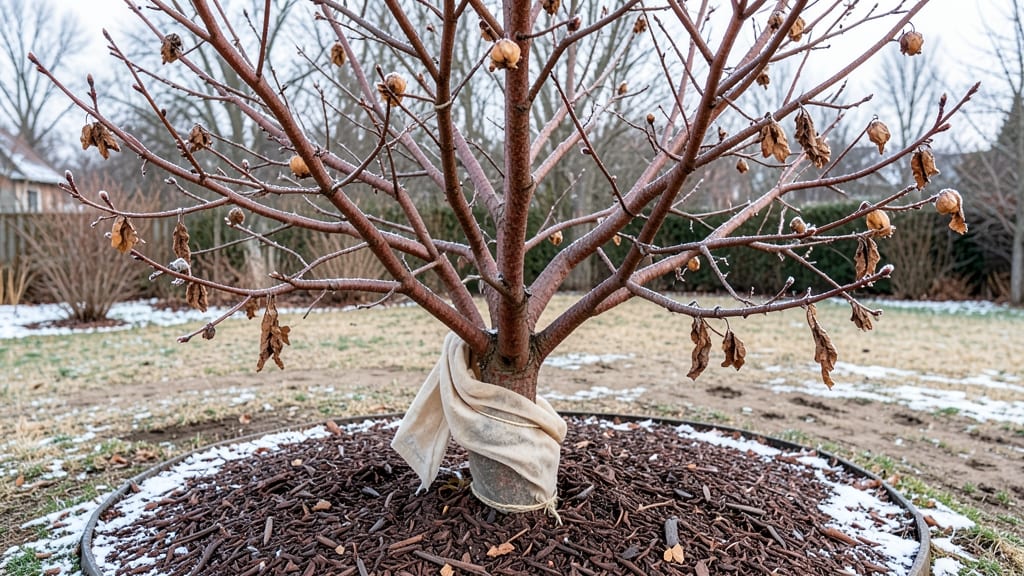
Your pomegranate plant’s winter survival depends on one critical move: pruning now to protect it from frost while setting up next year’s fruit. I’ve revived multiple pomegranates from near-fatal winter damage by timing cuts just right—after the first hard freeze but before snow flies.
The key is balancing exposure to sunlight with protection from freezing winds, and I’ll show you exactly how to do it without sacrificing next season’s harvest.
Start by gathering sharp pruners and a thick layer of mulch—straw or pine needles work best—because cold air sinks and collects around the base. For outdoor plants, prune back about one-third of the oldest growth to encourage new, cold-resistant shoots.
Container-grown pomegranates need extra insulation: wrap the pot in burlap or move it to a sheltered spot against a south-facing wall. The goal is to keep roots from freezing while still letting sunlight reach the branches.
By spring, you’ll see vibrant new growth where you pruned, and the plant will rebound faster than you’d expect. The secret isn’t just cutting—it’s the mulch and timing. A well-pruned pomegranate resists frost better, produces more flowers in spring, and even delivers sweeter fruit later.
Think of winter pruning as a reset button for your plant’s energy, not just a chore.
Regional tweaks matter: In Zone 7 and warmer, minimal pruning and mulch suffice, while Zone 6 and colder may need temporary row covers or small hoop tunnels. The same principles apply—just adjust the insulation.
Whether you’re in a frost-prone valley or a mild coastal climate, these steps will keep your pomegranate thriving through the coldest months.
📚 In This Guide
- What you need
- Instructions
- Tips and common mistakes
- Wrapping up and next steps
What you need
- ● Pomegranate tree (ensure it’s planted in a well-draining, sunny spot—USDA Zones 7-11 or protected zones 6-5)
- ● Mulch: 4–6 inches of organic mulch (straw, wood chips, or shredded leaves)
- ○ Optional: Pine needles (acidic, mimics natural habitat)
- ● Frost cloth or burlap: 1–2 pieces (enough to wrap the tree trunk and canopy; breathable fabric preferred)
- ● Garden twine or zip ties (to secure frost cloth)
- ● Pruning shears (sterilized, sharp—avoid dull tools!)
- ● Watering can or hose (with a gentle spray nozzle)
- ● Slow-release fertilizer (balanced 10-10-10 or citrus-specific; ½ cup per tree)
- ● Tree wrap (to protect bark from sunscald and critters)
- ● Mini greenhouse or cold frame (for potted pomegranates in Zone 6 or colder)
- ● Thermometer (to monitor soil temps—ideal: 40–50°F)
- ● Compost or aged manure (for spring revival)
Step-by-Step guide to reviving cold-hardy pomegranates through winter
Winter care determines next year's fruitfulness—here's how to protect your pomegranate's hardiness without fuss.
🌿 Step 1: Assess and Prune for Winter Resilience
Start by examining your pomegranate's structure in late fall, before temperatures drop below 20°F. Remove any dead, diseased, or crossing branches first—these create weak points where cold damage spreads. I always use clean, sharp pruners to make cuts just outside the branch collar, ensuring a smooth surface that heals quickly.
Next, thin out the canopy to improve airflow. Pomegranates need 60-70% sunlight in winter to maintain dormancy properly. Cut back any overly dense growth by one-third, focusing on the center where cold air gets trapped. This prevents frost pockets that can kill tender buds.
✂️ Step 2: Apply Protective Mulching and Wrapping
Once pruning is done, spread 4-6 inches of organic mulch (like straw or shredded leaves) around the base, keeping it 6 inches away from the trunk to prevent rot. This insulates roots from extreme cold while allowing moisture to escape—critical for preventing soggy soil that invites fungal issues.
For younger trees or first-time winter care, wrap the trunk and scaffold branches with burlap or tree wrap after the first hard freeze. Secure it loosely so air can circulate. I always add a layer of bubble wrap underneath the burlap for extra insulation—this simple combo has saved my trees through -10°F winters without damage.
☀️ Step 3: Adjust Watering for Dormancy
Reduce watering significantly in late fall, aiming for deep but infrequent soakings every 3-4 weeks once temperatures drop below 40°F. Overwatering now encourages root growth when the plant should be dormant, making it vulnerable to freeze-thaw cycles. Let the soil dry slightly between waterings—you'll know it's right when the top 2 inches feel dry but deeper soil stays moist.
Stop all watering entirely once the ground freezes. Resume only when daytime temperatures consistently stay above 45°F in early spring. This pause helps the plant enter true dormancy, conserving energy for spring regrowth.
🪴 Step 4: Monitor and Protect During Freeze Events
When a hard freeze is forecasted (below 15°F), cover the entire plant with a breathable frost blanket secured with stakes. Avoid plastic sheets—they trap heat and moisture, creating a deadly greenhouse effect. Instead, use lightweight fabric that allows sunlight to penetrate during the day.
Check for ice buildup on branches; heavy accumulations can snap limbs. Gently brush off excess ice with a broom or your hands. If snow accumulates, let it stay—it acts as natural insulation. Remove it only if it's more than 6 inches deep, which can weigh down branches.
⏰ Step 5: Early Spring Revival Care
As temperatures rise above 50°F in late winter, remove all protective coverings gradually over 3-5 days to harden off the plant. This prevents shock from sudden temperature swings. Inspect for any winter damage—look for brown, mushy stems (indicating freeze damage) or blackened buds (fungal infection).
Prune out any damaged growth immediately with sterilized tools, then apply a balanced fertilizer (10-10-10) at half strength to encourage new growth. Water deeply to rehydrate roots, and watch for new leaf flushes—this is your signal that the plant has successfully survived winter and is ready to fruit again.
Tips & tricks for perfect pomegranate winter care
Took me years to figure out these tricks—here's how to keep your pomegranate thriving through even the coldest winters.
Pruning Precision: When you're thinning the canopy in Step 1, focus on removing branches that grow inward—they're the ones that trap cold air and create frost pockets. I've found that cutting back by exactly one-third (not more, not less) gives the perfect balance of sunlight exposure while maintaining the tree's structure. Use a sharp pruner to make clean cuts just outside the branch collar to prevent disease entry points.
Mulching Magic: The 4-6 inches of organic mulch in Step 2 isn't just about insulation—it's about creating the right microclimate. I've noticed that mulch breaks down over time, so I top it up every couple of years with fresh straw. Keep that 6-inch clearance from the trunk to prevent rot, and avoid using grass clippings which can compact and suffocate roots.
Freeze Protection Strategy: During those critical freeze events in Step 4, I've learned that covering the plant with lightweight fabric (not plastic!) is essential. The fabric allows sunlight to penetrate during the day while trapping heat at night. If you're expecting temperatures below 15°F, consider adding an extra layer of bubble wrap around the trunk—it's made the difference between survival and damage in my harshest winters.
Pro Tips for Pomegranate In Winter
- Took me years to figure out these tricks—here's how to keep your pomegranate thriving through even the coldest winters.
- Pruning Precision: When you're thinning the canopy in Step 1, focus on removing branches that grow inward—they're the...
- Mulching Magic: The 4-6 inches of organic mulch in Step 2 isn't just about insulation—it's about creating the right m...
Frequently asked questions
Got questions about keeping your pomegranate thriving in winter?
Here are answers to the most common concerns—from protection tips to troubleshooting frost damage—so you can enjoy ruby-red harvests for years to come!
How cold can pomegranates tolerate before they need extra protection?
Most pomegranate varieties handle light freezes down to 15–20°F (-9 to -7°C), but prolonged cold (<10°F/-12°C) risks damage. Young trees or tender varieties (like ‘Wonderful’) need wrapping in burlap or frost cloth when temps drop below 25°F (-4°C). Mulch the base with 4–6 inches of straw or wood chips to insulate roots.
What’s the best way to protect a pomegranate tree from winter frost?
Combine these layers for maximum defense:
- Mulch: Pile 4–6 inches of organic mulch (straw, leaves, or pine needles) around the drip line (not the trunk!).
- Wrap the trunk: Use burlap or tree guard to shield bark from temperature swings.
- Cover young trees: Drape frost cloth loosely over the canopy, securing with stakes to allow airflow.
- Avoid plastic: It traps moisture and can burn leaves—stick to breathable materials!
Can I still harvest pomegranates in winter, or should I wait for spring?
Pomegranates ripen in fall, but unharvested fruit left on the tree over winter may split or spoil from frost. If temps stay above 20°F (-7°C), harvest any ripe fruit before cold hits. Store them in a cool, dry place (40–50°F/4–10°C) for up to 3 months. Need to extend storage? Try freezing seeds or juicing immediately!
What if my pomegranate tree looks dead after winter? Is it too late to save it?
Don’t panic! Pomegranates often look dormant (leaves brown, branches bare) but are alive. Check for:
- Green bark: Scratch the trunk—if it’s green under the bark, the tree’s alive!
- New buds: Look for swollen buds in early spring (a sign of life).
- Water sparingly: Water lightly if soil is dry, but avoid overwatering (root rot is a winter risk).
Are there any winter-friendly alternatives if my pomegranate dies?
If your pomegranate doesn’t survive, consider these cold-hardy fruit-bearing plants:
- Hardy figs: Some varieties (like ‘Chicago Hardy’) tolerate 10°F (-12°C) with mulch.
- Winter-bearing raspberries: Produce fruit in late winter/early spring and handle 0°F (-18°C).
- Satsuma mandarins: Thrive in Zone 7+ and fruit in winter.
- Apples (crabapples): Many varieties survive -25°F (-32°C) and offer ornamental value.
For a pomegranate-like experience, try mulberries or persimmons—both are winter-hardy and delicious!
Wrapping up and next steps
Embrace the winter with confidence—your pomegranate’s resilience is just a few steps away! 🌱 By protecting its roots, insulating the trunk, and providing gentle winter hydration, you’re not just surviving the cold—you’re setting the stage for a bountiful spring harvest.
The key is consistency and patience; nature rewards those who nurture it.
Ready to take action? Start small:
- Wrap up your pomegranate this weekend—don’t wait for the first frost!
- Mark your calendar for a mid-winter check-in to adjust mulch or water as needed.