
Planting
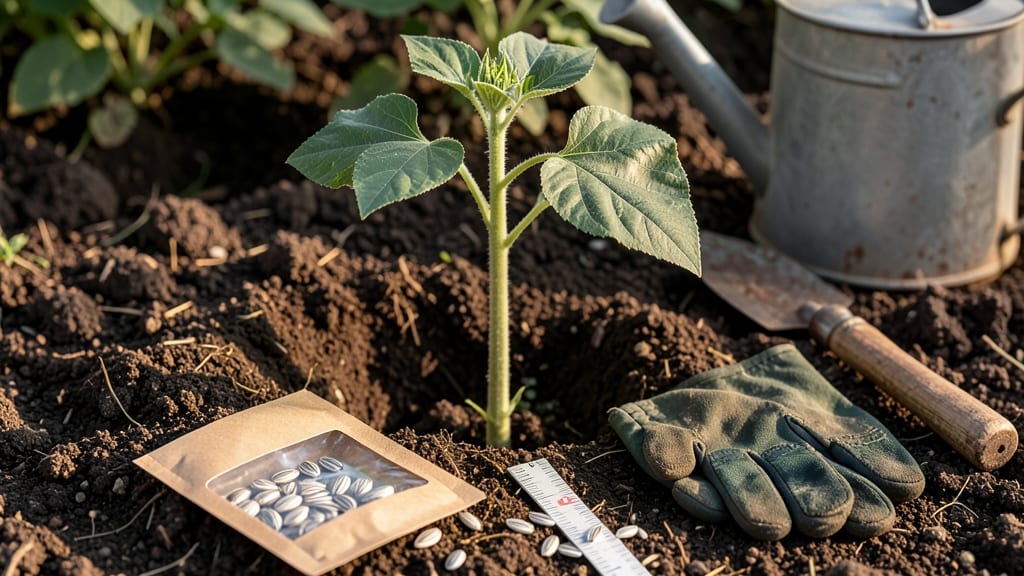
Sunflower seeds planted at the right depth—about 1 inch deep—sprout faster and grow into those towering 🌻 giants we love, while shallow or buried seeds risk stunted growth or rot.
Picture this: you’ve prepped your soil, marked your rows, and now you’re holding those plump seeds, wondering if you’re about to commit to a gardening fail. The truth? A half-inch too deep or too shallow can sabotage your sunflowers before they even take root.
Most gardeners assume "deep" means 2 inches or more, but sunflower seeds need just enough soil to cozy up without suffocating. Too deep, and they’ll struggle to break through; too shallow, and they’ll dry out before germinating.
The key is striking that balance—especially in Zone 6a—where spring soil can still be cool and damp.
In this guide, I’ll walk you through the exact planting depth for your sunflower variety, how to adjust for soil type, and the simple tricks to ensure every seed gets the perfect start—no guesswork, just strong stems and happy blooms.


Optimal sunflower seed planting depth by variety and soil type
Sunflower seeds need precise planting depth to germinate successfully, but the ideal depth varies based on the variety and soil type. Giant sunflowers, dwarf varieties, and oilseed types all have unique requirements, while sandy, loamy, and clay soils affect moisture retention and root development differently.
Understanding these factors ensures your sunflowers grow strong from the start.
Most sunflower seeds should be planted between 0.5 to 2 inches deep, but this range shifts depending on soil texture and seed size. For example, larger seeds like those of giant sunflowers can handle slightly deeper planting, while smaller dwarf seeds need shallower placement.
Let’s break down the specifics to help you choose the right depth for your garden.
Soil texture plays a critical role in determining the best planting depth. Clay soils, which compact easily, require slightly deeper planting (up to 1.75 inches) to prevent seeds from drying out too quickly.
In contrast, sandy soils drain rapidly, so planting 0.5–1 inch deep ensures seeds stay moist until germination. Loamy soils, the gold standard for sunflowers, allow for the standard 1–1.5 inch depth without adjustments.
For giant sunflower varieties, deeper planting (up to 2 inches) supports their larger seed size and promotes stronger root development. These varieties often benefit from pre-soaking seeds overnight to speed up germination.
Meanwhile, dwarf sunflowers, with their smaller seeds, thrive when planted 0.5–1 inch deep, especially in well-draining soil to prevent rot.
If your garden has poor drainage, consider raising beds or amending the soil with organic matter like compost or perlite. This improves aeration and prevents waterlogged conditions, which can suffocate seeds planted too deep.
Always test your soil’s moisture retention by squeezing a handful—if it crumbles easily, it’s ready for planting.
One common mistake is planting seeds too shallow, which exposes them to drying out or being washed away by rain. Conversely, planting too deep can delay germination or even prevent sprouting altogether.
Use a seed depth marker or your finger as a guide: the first joint is roughly 1 inch deep, making it easy to achieve consistent results.
For oilseed sunflowers, which are often grown for their seeds rather than blooms, aim for a 1-inch depth in well-prepared soil. These varieties are often planted in rows, so maintaining uniform depth ensures even growth and harvest.
Always space seeds according to the variety’s mature size to avoid overcrowding, which can lead to weak stems and reduced yields.
After planting, gently firm the soil around the seeds to ensure good contact, but avoid compacting it too tightly. This balance allows roots to emerge easily while keeping seeds in place.
Water lightly to settle the soil without displacing seeds, and keep the area consistently moist until germination occurs, typically within 7–14 days depending on soil temperature.
Monitor your sunflower seeds closely in the days following planting. If germination is slow, check for overwatering or poor soil contact, both of which can hinder sprouting.
Adjust your watering routine to keep the soil damp but not soggy, and consider using a seedling heat mat in cooler climates to encourage faster growth.
By tailoring your planting depth to the variety and soil type, you’ll set your sunflowers up for success from the very beginning.
Whether you’re growing towering giants or compact dwarfs, these guidelines will help you achieve strong, healthy plants that bring color and joy to your garden all season long. 🌻
Step-by-step guide: how to plant sunflower seeds at the right depth
Planting sunflower seeds at the correct depth is crucial for strong germination and healthy growth. Most sunflower varieties thrive when planted 1 inch deep, but slight adjustments depend on your soil type and climate.
Too shallow, and seeds dry out; too deep, and they’ll struggle to reach the surface. Let’s break down the process to ensure your sunflowers grow tall and proud.
Before planting, prepare your garden bed by loosening the soil to a depth of 6 inches with a trowel or fork. This helps roots establish easily and prevents soil compaction.
Mix in compost or aged manure to enrich the soil with nutrients, which sunflowers love. Avoid freshly tilled soil, as it can compact and suffocate young roots.
Step-by-Step Planting Guide
- 1 Mark your rows: Use a stick or string to create straight rows spaced 18–24 inches apart for tall varieties or 6–12 inches for dwarf types. This prevents overcrowding as plants mature.
- 2 Plant seeds at 1 inch deep: Use your finger as a guide—most fingers are about 1 inch wide at the first knuckle. Press seeds gently into the soil, ensuring they’re covered but not buried too deep.
- 3 Space seeds properly: Place seeds 6–12 inches apart for dwarf sunflowers or 18–24 inches apart for giant varieties. Overcrowding leads to weak stems and poor airflow, increasing disease risk.
- 4 Avoid compacting soil: After planting, gently press soil around seeds with your hand or a small board. Avoid walking on the bed or using heavy tools, as this can smother seeds and prevent sprouting.
- 5 Water lightly: Mist the soil with a gentle spray to keep it moist but not soggy. Overwatering can cause seeds to rot, while underwatering may prevent germination. Aim for consistent moisture until sprouts appear.
- 6 Monitor for sprouts: Sunflower seeds typically sprout in 7–14 days in warm soil. Once sprouts emerge, thin seedlings to the strongest 2–3 plants per foot to ensure they have enough space to grow.
One of the most common mistakes is planting seeds too shallow, which causes them to dry out before sprouting. If your soil is sandy, you can plant seeds slightly deeper (1.5 inches) to retain moisture.
Conversely, in clay soil, planting at 1 inch prevents suffocation from compaction.
For container gardening, use seedling trays with drainage holes and plant seeds half an inch deep in a well-draining potting mix. Transplant seedlings outdoors once they’ve developed 2–3 true leaves and the soil temperature is consistently above 50°F.
Harden off seedlings by exposing them to outdoor conditions for 1–2 hours daily before full transplantation.
With the right planting depth and care, your sunflowers will reward you with vibrant blooms and towering stems that bring joy to your garden all season long. Happy planting! 🌻