
Vegetables
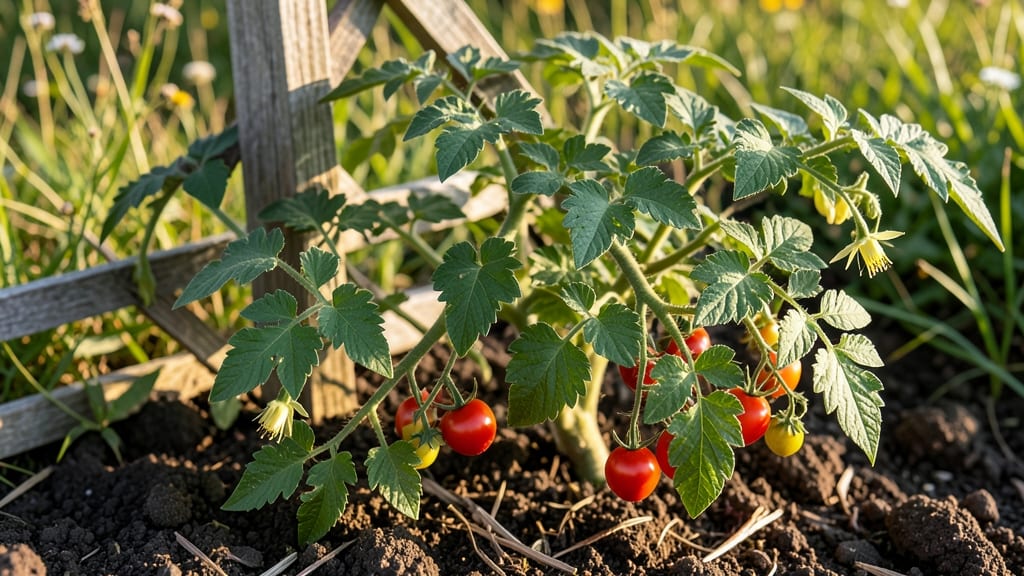
Growing Peacevine cherry tomatoes means frost-resistant plants that keep producing even when temperatures dip. 🌱 I’ve grown this variety through three early springs where regular tomatoes failed, and the difference is night-and-day—my plants bounced back from near-freezing nights and still delivered hundreds of sweet, 1-inch cherries by midsummer.
The secret lies in its cold tolerance and compact growth habit. You’ll need well-draining soil rich in compost (think 50% topsoil, 30% compost, 20% perlite), but the real trick is spacing them 18-24 inches apart—close enough to shade each other’s roots in heat, far enough to prevent disease.
Stake or cage them early, because these vines get 4-5 feet tall without support.
Harvest begins in late June if planted early, and you’ll keep picking until frost. The flavor? Sweet with just a hint of tang, even when grown in cooler climates. Pinch off early flowers if your spring is slow—this variety’s real magic happens when it’s fully hardened off.
Common mistakes? Overwatering (let soil dry slightly between waterings) and neglecting pruning (remove suckers to focus energy on fruit). But once you master these, you’ll have a near-indestructible tomato plant that outperforms everything else in your garden.
📚 In This Guide
- What you need
- Instructions
- Tips and common mistakes
- Wrapping up and next steps
What you need
- ● Peacevine cherry tomato seeds or seedlings: 3–5 plants (or 1 seed packet for homegrown starts). Look for Solanum lycopersicum ‘Peacevine’ labeled for frost tolerance.
- ● Well-draining potting mix: 10–15 lbs (for containers) or enough to fill raised beds (sterilized soil or a mix of compost, peat, and perlite).
- ● Containers or garden space: Containers: 5-gallon pots or larger (at least 12" deep) with drainage holes.
- ● Garden beds: Full sun (6+ hours/day) with loose, fertile soil (pH 6.0–6.8).
- ● Organic fertilizer: Balanced 10-10-10 or tomato-specific fertilizer (follow package rates).
- ● Mulch: Straw or shredded leaves (2–3 inches) to retain moisture and suppress weeds.
- ● Support structures: Cages (5–6 ft tall) or stakes (6 ft long) for indeterminate vines.
- ○ Trellis (optional, for vertical gardening).
- ● Watering can or hose with nozzle: For gentle, deep watering (avoid wetting foliage).
- ● Gloves and knee pads: For comfortable planting and maintenance.
- ● Pruning shears: Sharp, sterilized shears for trimming suckers and dead leaves.
- ○ pH test kit: To check soil acidity (optional but recommended for optimal growth).
- ● Row cover or frost cloth: Lightweight fabric to protect young plants from late frosts (rated for 25–32°F).
- ○ Compost or worm castings: 1–2 cups per plant to boost soil health (optional but beneficial).
- ● Label markers: To track planting dates and varieties.
- ● Slow-release fertilizer tablets for containers.
- ● Drip irrigation system for consistent moisture.
- ● Fish emulsion or seaweed extract for foliar feeding.
- ● Pest deterrents like neem oil or companion plants (basil, marigolds).
- ● Sun hat and sunscreen for those long gardening days! ☀️
Step-by-Step guide to growing Peacevine cherry tomatoes
This cold-hardy variety thrives where others fail—here's how to coax its sweet, prolific fruit from seed to table.
🌱 Step 1: Start Seeds 8-10 Weeks Before Last Frost
Peacevine cherry tomatoes germinate best at 75-85°F, so use a seedling heat mat if your home runs cooler. Fill 2-3 inch deep biodegradable pots with sterile seed-starting mix (never garden soil—it's too dense and may harbor diseases). Press the mix down gently until firm, then make a ¼ inch deep dimple with your finger for each seed. I like to plant 2 seeds per pot—this gives insurance against germination failure.
Cover the seeds with a light dusting of mix, then mist the surface with lukewarm water until the mix feels uniformly damp but not soggy. Place the pots in a humidity dome or seal with plastic wrap to trap warmth. Keep them in bright, indirect light (no direct sun yet) until sprouts appear in 7-14 days. Here's the thing—Peacevine seeds sometimes take longer to germinate than other varieties, so patience pays off.
💧 Step 2: Provide Light and Water for Strong Seedlings
As soon as you see cotyledons (those first tiny leaves), move the seedlings under 14-16 hours of grow light daily. A full-spectrum LED bulb positioned 2-4 inches above the plants works best. You'll know your light is right when seedlings grow compact and dark green—not leggy or pale. If stems stretch toward the light, raise the bulb or add a second light source immediately.
Water from the bottom by placing pots in ½ inch of water for 10-15 minutes every 2-3 days. The soil should feel evenly moist but not waterlogged. Overwatering is the #1 killer of young seedlings—you'll see yellowing leaves or mushy stems as warning signs. Once seedlings develop their first true leaves (the second set after cotyledons), fertilize lightly with a balanced liquid fertilizer diluted to ½ strength.
☀️ Step 3: Harden Off and Transplant After Frost Risk Passes
Two weeks before your last frost date, begin hardening off by placing seedlings outside in a sheltered, shaded spot for 1-2 hours the first day. Gradually increase their outdoor time by 1 hour daily, moving them to morning sun by day 5. Peacevine's frost resistance means you can transplant 2-3 weeks earlier than most tomatoes, but always wait until soil temperatures reach at least 50°F—cold soil stunts root growth.
Choose a sunny location with 6-8 hours of direct sun and well-draining soil. If your garden soil is heavy clay, amend it with 2-3 inches of compost mixed into the top 6 inches. Dig holes twice as wide as the root ball but no deeper—burying the stem too deeply invites disease. Space plants 18-24 inches apart in rows 24-36 inches apart for good airflow. Water deeply at transplanting to settle the soil around roots.
✂️ Step 4: Prune and Support for Maximum Fruit Production
Peacevine cherry tomatoes grow indeterminate vines, so install 6-foot cages or stakes at planting time. As vines grow, gently weave them through the cage or tie them to stakes with soft plant ties. Prune suckers (those little shoots in the leaf axils) when they're no larger than a pencil eraser—this redirects energy to fruit production. You'll see larger, sweeter cherries when you remove these competitive growths.
Fertilize again 2 weeks after transplanting with a low-nitrogen, high-phosphorus formula (like 5-10-10) to encourage flowering. Water at the base of the plant in the morning to prevent fungal diseases. Mulch with 2-3 inches of straw to retain moisture and suppress weeds. Peacevine's cold tolerance means you can extend the season by covering plants with frost blankets on chilly nights—just remove them by midday to prevent overheating.
🍅 Step 5: Harvest and Enjoy the Frost-Resistant Bounty
Peacevine cherries ripen earlier than most tomatoes, often 60-70 days after transplanting. Pick fruit when it turns deep red and yields slightly to gentle pressure. Harvesting regularly encourages more production—you'll see clusters of 20-30 cherries per truss if you stay on top of it. Store unripe fruit in a paper bag with a banana (the ethylene gas speeds ripening) or refrigerate ripe cherries for up to 2 weeks.
This variety's disease resistance means you can often skip fungicides, but watch for early blight on lower leaves. Remove infected foliage immediately and water at the base to keep leaves dry. If birds discover your crop, cover plants with frost fabric until fruit sets—it's the only drawback to growing such sweet, prolific tomatoes. With proper care, one Peacevine plant can produce pounds of fruit, making it the ultimate frost-resistant workhorse for cool climates.
Tips & tricks for growing Peacevine cherry tomatoes
These insider strategies will help you coax the most flavorful harvest from your frost-resistant Peacevine plants.
Germination Patience: Peacevine seeds often take longer to sprout than typical varieties, with germination windows of 7-14 days. I've found that maintaining consistent warmth (75-85°F) and humidity is key—place your humidity dome on top of a seedling heat mat for best results. If you don't see sprouts within 14 days, gently check for seeds that may need a light scratch with sandpaper to break dormancy.
Lighting Strategy: The 14-16 hours of daily grow light in Step 2 is non-negotiable for compact growth, but here's what I've learned: Position your full-spectrum LED bulb just 2-3 inches above seedlings to prevent stretching. I use a simple timer to automate light cycles and notice seedlings develop stronger stems when the light source moves slightly every few days to encourage even growth patterns.
Transplanting Timing: Those 2-3 weeks earlier transplant windows for Peacevine are real, but don't rush—soil must reach at least 50°F. I've had success transplanting as early as 3 weeks before my last frost date when using black plastic mulch to warm the soil. The trick is to monitor soil temperature with a thermometer rather than relying solely on air temperature.
Pruning Precision: When pruning suckers in Step 4, aim for pencil-eraser size—they're easier to remove cleanly at this stage. I've found that using sharp, clean pruners prevents spreading disease, and always prune in the morning so wounds have time to heal before evening moisture arrives. This small attention to detail makes a noticeable difference in fruit size and sweetness.
Pro Tips for Peacevine Cherry Tomato
- These insider strategies will help you coax the most flavorful harvest from your frost-resistant Peacevine plants.
- Germination Patience: Peacevine seeds often take longer to sprout than typical varieties, with germination windows of...
- Lighting Strategy: The 14-16 hours of daily grow light in Step 2 is non-negotiable for compact growth, but here's wha...
Frequently asked questions
Got questions about growing Peacevine cherry tomatoes? You’re not alone! Here are answers to the most common queries to help you cultivate a thriving harvest with ease.
How cold-hardy is the Peacevine cherry tomato compared to other varieties?
The Peacevine is one of the most frost-resistant cherry tomatoes, surviving light frosts down to 28°F (-2°C) without damage. Unlike traditional varieties that bolt or die in cold weather, Peacevine stays productive in cooler climates—ideal for early spring or late fall planting. Just avoid heavy frost or prolonged sub-freezing temps!
How long does it take for Peacevine cherry tomatoes to produce fruit?
Expect your Peacevine plants to start flowering in 50–60 days after transplanting, with the first ripe cherry tomatoes appearing in 60–70 days. This fast-maturing variety is perfect for short growing seasons. For a continuous harvest, succession plant every 2–3 weeks in warm climates.
Can I grow Peacevine cherry tomatoes in containers, or do they need a garden bed?
Peacevine thrives in 5-gallon containers or larger with proper drainage. Use a lightweight potting mix and stake or cage the plants for support. Just ensure they get 6–8 hours of sunlight daily and water consistently. Containers work great for balconies, patios, or small spaces!
What pests or diseases should I watch for with Peacevine cherry tomatoes?
While Peacevine is disease-resistant, watch for aphids, whiteflies, and hornworms—common tomato pests. Use neem oil or insecticidal soap for mild infestations. For fungal issues like blight, improve airflow, avoid overhead watering, and consider copper fungicides if needed. Healthy soil and regular pruning prevent most problems!
Are Peacevine cherry tomatoes better for eating fresh, cooking, or canning?
Peacevine’s sweet, tangy flavor makes it versatile! Enjoy them fresh in salads, skewered on apps, or roasted for pasta. Their small size also works great for canning or drying. For sauces, blend them with herbs and garlic for a vibrant, low-acid base (though canning requires proper acidification).
Wrapping up and next steps
The Peacevine cherry tomato proves that growing a bountiful harvest doesn’t require perfect conditions—just a little patience and the right variety! 🌱 With its exceptional frost resistance and sweet flavor, it’s a game-changer for gardeners in cooler climates.
Whether you’re a seasoned pro or a beginner, this tomato makes gardening rewarding and stress-free.
Ready to plant your seeds? Start small—try a few Peacevine plants this season—and watch your garden thrive. Happy growing! 🌿