
Vegetables
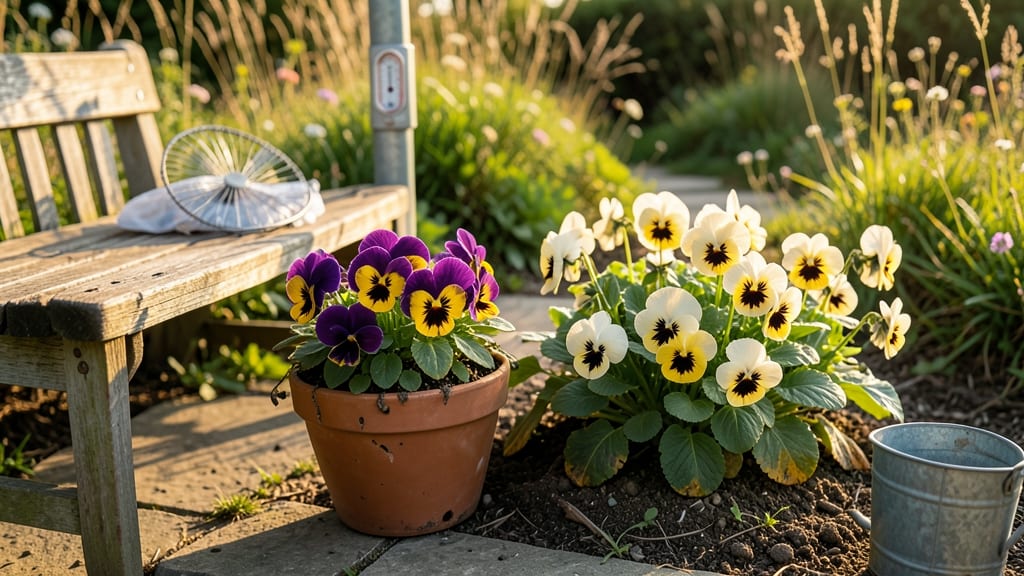
Pansies’ heat tolerance isn’t inevitable—even in 90°F heat, these cool-season stars can thrive with the right tricks. 🌿 I’ve nursed pansies through brutal summers by treating them like delicate divas: shade, hydration, and heat-resistant picks make all the difference.
The key? Mimicking their native cool climates without turning your garden into a swamp.
Start by choosing heat-tolerant varieties like ‘Matrix’ or ‘Majesty’—they handle 80°F better than classic pansies. Provide afternoon shade (a sheer curtain or lattice works) and water deeply at dawn to avoid fungal issues.
Mulch with straw to keep roots cool, and avoid overhead watering—droplets act like tiny magnifying glasses, burning petals. Even in extreme heat, pansies can bounce back if you catch stress early.
Watch for yellowing leaves or drooping blooms—signs they’re overheating. Revive them by trimming wilted flowers, moving pots to shade, and soaking roots in cool water. With these tweaks, you’ll enjoy colorful blooms from spring to fall, not just a sad summer memory.
The secret? Treat heat stress like a sunburn—prevent it before it starts.
For long-term success, rotate varieties seasonally—plant heat-tolerant pansies in late summer for a fall show, then swap in cold-hardy types for winter. Even in scorching zones, pansies can be perennial survivors with the right care. Start small, experiment, and soon you’ll have a heat-proof display that lasts all season.
📚 In This Guide
- What you need
- Instructions
- Tips and common mistakes
- Wrapping up and next steps
What you need
- ● Pansy plants: Choose heat-tolerant varieties like Viola × wittrockiana (e.g., 'Matrix' or 'Cool Wave' series). Start with 3–5 plants per 1 square foot for optimal airflow.
- ● Well-draining potting mix: A blend of 50% peat moss or coco coir, 30% perlite or vermiculite, and 20% compost (1 bag per 4–6-inch pot). Avoid heavy clay soil.
- ○ Containers (optional but recommended): 5–7 gallon pots with drainage holes (1–2 per plant). Use light-colored pots to reflect heat.
- ● Shade cloth: 30–50% shade fabric (enough to cover plants during peak sun, 10’x10’ for garden beds).
- ● Mulch: 2–3 inches of straw or wood chips to retain moisture and regulate soil temp (cover 1–2 square feet per plant).
- ● Garden trowel or hand shovel for transplanting.
- ● Watering can or drip irrigation system (with soaker hoses for deep hydration).
- ○ Thermometer (optional) to monitor soil temps (ideal: 60–75°F).
- ● Pruning shears for trimming wilted leaves.
- ● Fertilizer: Balanced 10-10-10 or fish emulsion (diluted to half-strength; apply every 4–6 weeks).
- ● ✨ Morning watering: Soak soil early (6–8 AM) to reduce evaporation.
- ● 🌡️ Cool roots: Bury pots in shaded, damp sand or use hydrogel crystals for extra moisture retention.
- ● 🎯 Deadhead regularly: Snip spent blooms to encourage new growth in heat.
How to protect pansies in hot climates
Pansies can thrive even in summer heat—here’s how to keep them blooming strong when temperatures rise.
☀️ Step 1: Choose Heat-Tolerant Varieties
Not all pansies handle heat equally. Look for Heatwave, Matrix, or Sundance series—these varieties are bred to withstand 75-85°F without wilting. Avoid traditional pansies labeled for cool seasons; they’ll bolt or fade in prolonged warmth. I always check seed packets for "heat-tolerant" markings before planting.
If you’re working with existing plants, observe their response to afternoon sun. If leaves yellow or flowers close by midday, they’re struggling. Heat-tolerant types maintain vibrant color even when air temperatures hit 80°F—that’s your visual cue they’re adapted. Plant these in morning sun with afternoon shade for best results.
💧 Step 2: Master Watering for Heat Stress Prevention
Pansies in heat need deep but infrequent watering—never let them sit in soggy soil, but don’t let the top 1-2 inches dry out completely. I water mine early in the morning (before 8 AM) to reduce evaporation and fungal risks. A drip irrigation system or soaker hose delivers moisture directly to roots without wetting leaves, which prevents scorching.
Watch for wilting between waterings—that’s your signal to adjust frequency. In 90°F+ heat, I increase watering to every 2-3 days, but always check soil moisture by sticking your finger 1 inch deep. If it feels dry, water; if damp, wait. Overwatering in heat suffocates roots just as much as underwatering.
🌿 Step 3: Provide Strategic Shade and Airflow
Even heat-tolerant pansies need protection from intense afternoon sun (typically 2-5 PM). Use lattice screens, sheer fabric shade cloth (30-50% block), or plant them under larger shrubs that cast dappled shade. I avoid dense shade—pansies still need 4-6 hours of morning light for blooming. Test shade placement by observing how long direct sun hits the spot; adjust if leaves show brown edges by late afternoon.
Improve airflow by spacing plants 6-12 inches apart—crowding traps heat and humidity, inviting powdery mildew. A small fan on low speed near containers can simulate breeze, which helps transpiration. You’ll notice healthier foliage and fewer closed blooms when airflow is optimal.
✂️ Step 4: Prune and Fertilize for Heat Resilience
Deadhead spent blooms weekly to encourage new flowers, but avoid cutting into woody stems—pansies are tender and regenerate slowly in heat. I snip just above the next set of leaves with clean shears to avoid disease entry. After pruning, apply a balanced, water-soluble fertilizer (10-10-10) diluted to half strength every 2 weeks to support root growth without salt buildup.
Mulch with 2-3 inches of straw or shredded bark to retain soil moisture and regulate temperature. Dark mulches can overheat roots, so I stick to light-colored options in full sun. This simple layer keeps soil 10°F cooler at the surface, which pansies appreciate during heatwaves.
🌱 Step 5: Monitor and Adjust for Extreme Heat
When temperatures exceed 90°F for more than 3 days, pansies may go dormant. Don’t panic—this is normal. Reduce watering slightly and move containers to shadier spots. I’ve seen pansies recover fully once temperatures drop, but prolonged stress can cause leaf drop. If this happens, trim affected foliage to redirect energy to new growth.
For 100°F+ heatwaves, consider temporary shade structures like umbrellas or shade sails. Even a white bedsheet draped loosely over plants can drop soil temps by 15°F. Check plants daily for yellowing leaves or closed blooms—these are early warning signs of heat stress. With these adjustments, pansies can rebound and keep blooming through summer’s peak.
Tips & tricks for thriving pansies in summer heat
Here's what nobody tells you about keeping pansies blooming when temperatures climb—these are the secrets that turn wilting plants into heat-resistant showstoppers.
Variety Matters More Than You Think: The Heatwave, Matrix, or Sundance series aren't just marketing—they're bred to handle 85°F without wilting while traditional varieties bolt at 80°F. I've seen Heatwave pansies maintain vibrant blooms in 90°F+ heat when other varieties had closed up by noon. If you're working with existing plants, look for those that stay open and colorful through midday—those are your heat survivors.
Watering Wisdom That Saves Lives: The 1-2 inch soil moisture rule is critical, but timing is everything. Watering before 8 AM prevents evaporation losses and fungal risks from wet foliage. In 90°F+ heat, I switch to every 2-3 days with deep watering—never shallow puddles. The key is checking soil moisture 1 inch deep; if it's dry, water thoroughly until it runs out the bottom of containers. This mimics natural rainfall patterns and prevents root stress.
Shade Strategy That Works: That 2-5 PM afternoon shade window is non-negotiable for heat protection. I've found that sheer fabric shade cloth (30-50% block) is the gold standard—it filters sunlight without blocking airflow. For containers, move them to shaded spots during peak heat, but always return them to morning sun by 10 AM. The 10°F soil temperature drop from proper mulching makes all the difference when temps hit 100°F.
Pruning and Fertilizing for Heat Resilience: Weekly deadheading is essential, but the next set of leaves rule prevents damage to tender stems. After pruning, that half-strength 10-10-10 fertilizer every 2 weeks gives roots the boost they need without salt buildup. I've noticed pansies under heat stress actually bloom more prolifically after proper fertilizing—it's like they're saying "thank you for helping me fight this heat!"
Pro Tips for Pansies Heat Tolerance
- Here's what nobody tells you about keeping pansies blooming when temperatures climb—these are the secrets that turn w...
- Variety Matters More Than You Think: The Heatwave, Matrix, or Sundance series aren't just marketing—they're bred to h...
- Watering Wisdom That Saves Lives: The 1-2 inch soil moisture rule is critical, but timing is everything. Watering bef...
Frequently asked questions
Got questions about keeping pansies thriving in the heat?
You’re not alone! Here are answers to the most common concerns—whether you’re a seasoned gardener or just starting out.
Can pansies survive extreme heat (like 90°F+)?
Pansies are not heat lovers—they thrive in cooler temps (50–75°F). In extreme heat, they’ll wilt, bolt (flower prematurely), or even die. For hot climates, opt for heat-tolerant varieties like Viola × wittrockiana hybrids or grow them in partial shade with afternoon relief. Mulch helps retain moisture and keeps roots cool.
When is the best time to plant pansies in warm areas?
Plant pansies in early spring or fall to avoid peak summer heat. In mild winters, you can also sow them in late summer for blooms in cooler months. Avoid planting during summer solstice (June–August) unless you’re in a high-altitude or coastal region with cooler microclimates.
What’s a good heat-tolerant alternative to pansies?
If pansies struggle in your climate, try these hardy alternatives:
- Sweet Alyssum – Thrives in heat, attracts pollinators, and blooms all summer.
- Calendula – Heat-resistant, edible, and self-seeds easily.
- Zinnias – Bold blooms that handle full sun and heat better than pansies.
- Portulaca (Moss Rose) – Succulent-like, drought-tolerant, and loves the sun.
How do I prevent pansies from wilting in heat?
Pansies need consistent moisture—water deeply in the morning to reduce evaporation. Use mulch (straw or shredded leaves) to lock in soil moisture. Avoid overhead watering (it encourages fungal diseases), and trim spent blooms to encourage new growth. If leaves turn yellow or droop, it’s a sign of stress—move pots to shade temporarily.
Can I grow pansies in containers in hot weather?
Yes, but containers heat up faster than garden beds. Use self-watering pots or add a layer of hydrogel crystals to retain moisture. Choose lightweight, breathable pots (like fabric grow bags) to prevent root rot. Move containers to a shadier spot during peak heat (12–4 PM) and avoid placing them on pavement or concrete.
Wrapping up and next steps
Pansies may not be the first plant that comes to mind for scorching summers, but with the right strategies—like choosing heat-tolerant varieties, providing shade, and optimizing soil moisture—you can still enjoy their vibrant blooms in hotter climates. Remember, patience and adaptability are key! Ready to give it a try?
Start by selecting Viola tricolor or Viola cornuta varieties and experiment with mulching or drip irrigation to see what works best in your garden. Happy gardening! 🌱💦