
Vegetables
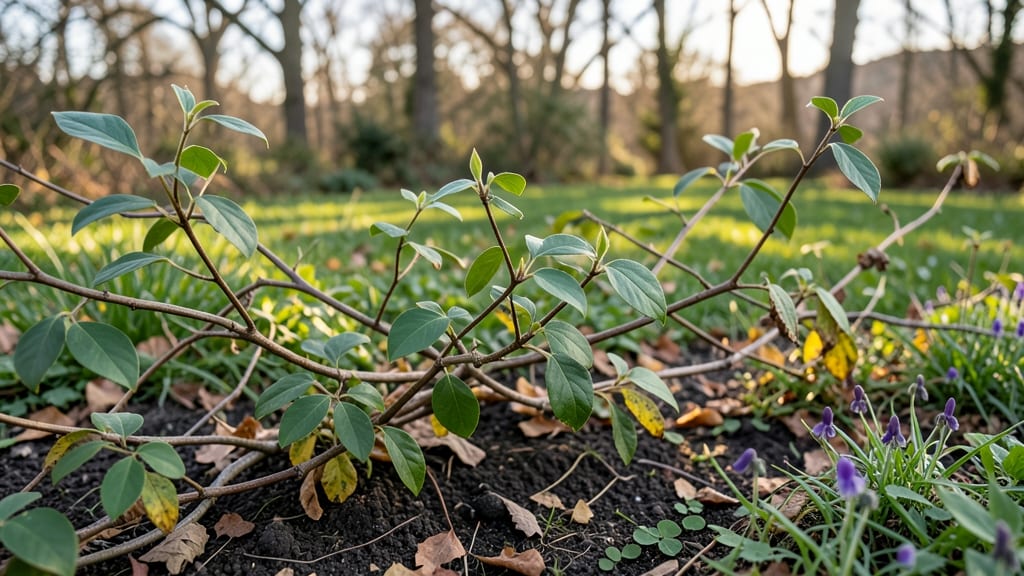
When your Lonicera japonica looks like a tangled mess after frost, don't panic—this hardy vine thrives with the right winter care. ✨ I've revived mine every year by pruning strategically and protecting vulnerable stems, and the results are always worth the effort.
The key is understanding what to cut back and when to leave it alone for spring's boldest growth.
Start by pruning in late winter or early spring before new shoots emerge. Cut back any dead or damaged stems to the first set of healthy buds, and thin out crowded growth to improve airflow.
This isn't just about aesthetics—proper pruning boosts next season's blooms and keeps your vine looking its best. Most gardeners over-prune, so be gentle and focus on shaping rather than drastic cuts.
For frost protection, wrap younger vines in burlap or use frost cloth to shield tender growth. Mature vines usually handle winter just fine, but a thick layer of mulch around the base helps retain moisture and regulate soil temperature.
The payoff? Lush, vigorous growth that starts blooming earlier than ever, with fragrant flowers that attract pollinators from the start of spring.
This method works for both established vines and new plantings in temperate or cold climates. Whether you're dealing with a mature specimen or a young vine, these steps ensure your Lonicera japonica comes back stronger every year. Ready to give it a try? Let's get those pruners out!
📚 In This Guide
- What you need
- Instructions
- Tips and common mistakes
- Wrapping up and next steps
What you need
- ● Lonicera japonica plants: 1–3 mature plants (or cuttings if propagating). Choose healthy, disease-free specimens with sturdy stems.
- ● Organic mulch: 3–4 inches of straw, shredded leaves, or pine needles (avoid cedar—it’s toxic!).
- ● Pruning shears: Sharp, clean pair (sterilize with rubbing alcohol between cuts).
- ● Garden gloves: Heavy-duty, waterproof gloves (trust us, thorns are no joke!).
- ● Burlap or frost cloth: 1–2 rolls (for wrapping or covering plants).
- ● Compost or aged manure: 1–2 gallons (for early spring soil boost).
- ● Watering can or hose: With a gentle spray nozzle (avoid soaking mulch in winter).
- ● Slow-release fertilizer: Balanced 10-10-10 or compost tea (apply in early spring).
- ● Plant supports: Small stakes or cages (if your Lonicera needs structural help post-winter).
- ● Thermometer: Soil thermometer to monitor winter ground temps (aim for above 20°F/-6°C for best survival).
- ● Pest control: Neem oil or diatomaceous earth (for slugs/snails in early spring).
- ● Camera: Because documenting your Lonicera’s winter revival is chef’s kiss material! 📸
Step-by-Step guide to reviving Lonicera japonica through winter
Here's how I nurse my hardy honeysuckle back to life each spring—without losing next year's blooms.
🌿 Step 1: Inspect and Trim Damaged Growth
Start by examining your Lonicera japonica in late winter or early spring before new growth begins. Look for dead, brown stems that crumble when touched—these won't regrow. Use clean, sharp pruning shears to cut these back to healthy green tissue or outward-facing buds. I always prune on a dry day to reduce disease risk.
Don't overdo it—you'll see some bare stems, but healthy plants can sprout new growth from the base. If you're unsure which stems are dead, wait until first signs of green growth appear before cutting. This ensures you don't accidentally prune off potential new shoots.
✂️ Step 2: Shape for Airflow and Light
Once you've removed dead growth, thin out crowded stems to improve airflow. Aim for 1/3 of the plant's volume—this encourages bushier growth and reduces fungal issues. Cut back the longest stems by half their length, making cuts just above outward-facing buds.
Step back and visualize sunlight penetration. If you can't see through the center of the plant, it's too dense. Lonicera japonica thrives in full sun to partial shade, so pruning now ensures all remaining stems get adequate light for spring revival. You'll see new shoots emerge within 2-3 weeks if conditions are right.
💧 Step 3: Apply Winter Protection and Fertilize
After pruning, spread a 2-3 inch layer of mulch around the base (but not touching the stems) to protect roots from late frosts. I use shredded bark or straw—it insulates while allowing moisture to penetrate. Water deeply if your region experiences dry winters, but avoid soggy soil.
In early spring, apply a balanced fertilizer (10-10-10) at half-strength to stimulate new growth. You'll see fresh green leaves appear within 3-4 weeks if the plant is healthy. Avoid heavy nitrogen fertilizers—they encourage leafy growth at the expense of flowers, which are your plant's highlight.
☀️ Step 4: Monitor for Spring Revival Signs
Watch for first true leaves emerging from the base or along remaining stems. These will be small, tender, and bright green. If you see yellowing leaves, it's often a sign of overwatering or poor drainage—adjust your watering schedule to once every 7-10 days unless your region is extremely dry.
Once new growth reaches 4-6 inches tall, you can prune again to shape the plant while it's still flexible. This second pruning encourages fuller blooms later in the season. By summer, your Lonicera japonica should be lush and ready to produce its signature fragrant flowers.
Tips & tricks for perfect Lonicera japonica revival
Here's what I've learned after years of bringing my honeysuckles back from winter's edge—tricks that save time and ensure those fragrant blooms come back stronger than ever.
Pruning Precision: When you're inspecting stems in Step 1, look for the telltale "snap test"—healthy stems bend slightly, while dead ones crumble like dry kindling. I always make my cuts at a 45-degree angle just above outward-facing buds, which gives new growth the best chance to emerge. This small detail makes all the difference in spring revival.
Airflow Strategy: In Step 2, don't just focus on quantity—visualize sunlight paths. I like to create a "fishbone" shape by cutting back the longest stems diagonally, which opens up the center while maintaining the plant's natural form. This creates perfect airflow and sunlight penetration, exactly what Lonicera japonica needs to bounce back.
Mulch Mastery: That 2-3 inch mulch layer in Step 3 isn't just decoration—it's insulation. I use shredded bark because it breaks down slowly, releasing nutrients over time. The key is keeping it 2-3 inches away from the stems to prevent rot while still protecting roots from temperature swings. Think of it as a cozy blanket for your plant's roots.
Fertilizer Timing: The half-strength 10-10-10 application in Step 3 should happen when you first see those tiny green leaves emerging. This timing ensures the fertilizer supports new growth rather than sitting unused in the soil. I always mix it with water first to prevent root burn—just a teaspoon of fertilizer per gallon of water works perfectly.
Pro Tips for Lonicera Japonica Winter
- Here's what I've learned after years of bringing my honeysuckles back from winter's edge—tricks that save time and en...
- Pruning Precision: When you're inspecting stems in Step 1, look for the telltale "snap test"—healthy stems bend sligh...
- Airflow Strategy: In Step 2, don't just focus on quantity—visualize sunlight paths. I like to create a "fishbone" sha...
Frequently asked questions
about caring for Lonicera japonica (Japanese honeysuckle) through winter and preparing it for spring harvests.Can Lonicera japonica survive harsh winters?
Lonicera japonica is a hardy perennial, but its winter resilience depends on your climate zone. In USDA zones 5–9, it typically thrives with minimal protection. In colder regions (zones 4 or below), mulch heavily (3–4 inches) and consider wrapping young plants in burlap. Evergreen varieties handle frost better than deciduous ones.
When should I prune Lonicera japonica for winter?
Prune in late fall (October–November) to remove dead or weak growth and shape the plant. Avoid heavy pruning in winter—wait until early spring (before new growth starts) to encourage vigorous regrowth. Never prune in frost, as it can damage tender stems.
What if my Lonicera japonica turns brown over winter?
Brown stems or leaves are often normal, especially in deciduous varieties. If the plant is still alive at the base (check for green shoots in spring), it’s likely dormant. If the entire plant is brown and mushy, it may have rotted—inspect for pests or overwatering. Cut back dead growth in spring to assess health.
Are there cold-hardy alternatives to Lonicera japonica?
Yes! For colder climates, try:
- Lonicera fragrantissima (Winter Honeysuckle)—blooms early, zones 4–8.
- Lonicera sempervirens (Coral Honeysuckle)—evergreen, zones 4–9.
- Weigela florida—similar care, zones 4–8, with vibrant spring blooms.
Why isn’t my Lonicera japonica coming back in spring?
Common culprits:
- Overwatering in winter (roots rot in soggy soil).
- Frost heave (roots exposed by freezing/thawing).
- Pests/disease (check for borers or fungal spots).
Wrapping up and next steps
Embrace the resilience of Lonicera japonica—this hardy perennial isn’t just a winter survivor; it’s a promise of vibrant spring harvests to come! 🌱 With the right care and a little patience, you’ll soon be rewarded with lush foliage and bountiful blooms that thrive even in chilly climates. Now’s the perfect time to act: gather your supplies, prep your garden, and give these plants the love they deserve.
Your future harvests will thank you!
- Next step: Start planning your winter prep or dive into seasonal care tips to set your garden up for success.