
Vegetables
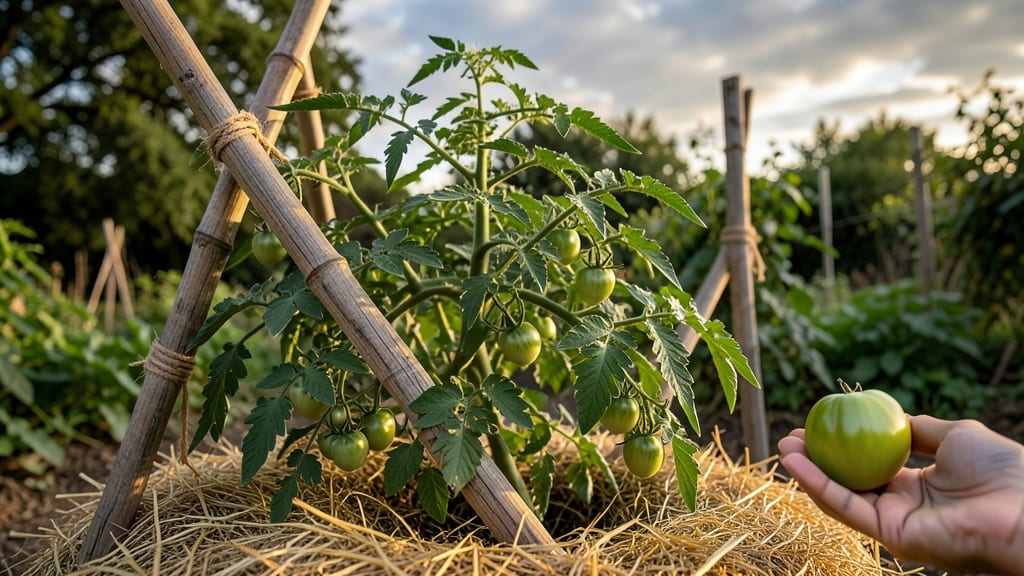
Those stubborn green tomatoes are nature’s way of saying "not yet," but learning how to keep the green tomatoes from going to waste turns frustration into a harvest. 🌱 I’ve wrestled with unripe tomatoes for years—until I learned the science behind ripening (and how to trick them into color-changing).
The key? Understanding why they stay green and how to coax them along without wasting a single fruit.
Most green tomatoes freeze in the first frost, but the real culprit is often temperature—below 55°F slows ripening, while inconsistent sunlight leaves them stuck. The fix starts with variety selection: cherry tomatoes and early girl varieties ripen faster, while beefsteaks need patience.
Pruning also matters—too much shade or overcrowding delays ripening, so space plants 18-24 inches apart.
Harvest early and ripen indoors with ethylene tricks: place green tomatoes in a paper bag with a banana or apple (ethylene sources) for 3-5 days. For outdoor gardens, row covers extend the season, and mulching keeps roots warm.
Even a single ripe tomato on the vine can speed up neighbors—nature’s own ripening signal.
This method works for any climate, from short-season zones to late frosts. Next time you see green tomatoes, don’t toss them—turn them into salsa, sauce, or fried green tomatoes instead. The zero-waste harvest starts now.
📚 In This Guide
- What you need
- Instructions
- Tips and common mistakes
- Wrapping up and next steps
What you need
- ● Green tomatoes: Any quantity (harvested before the first frost). The more, the merrier!
- ● Cardboard boxes or wooden crates: 1–2 large boxes (12"–18" deep) with ventilation holes (poke small holes with a nail or drill).
- ● Newspaper or shredded paper: Enough to line the bottom of your storage container (avoid plastic—it traps moisture!).
- ● Brown paper bags: 1–2 per tomato (or a single large bag for a small batch). Poke 5–6 small holes in each bag for airflow.
- ● Scissors or box cutter: For cutting paper bags and trimming stems.
- ○ Optional heat source (for indoor ripening): A space heater (set to 55–65°F) or apple boxes (fill with warm water and place near tomatoes).
- ● A thermometer (to monitor temperature—keep it between 50–70°F).
- ● Wooden apple crates: Great for airflow if you don’t have cardboard.
- ● Clothespins or rubber bands: To secure paper bags loosely around tomatoes.
- ● Humidity tray: A shallow dish with water + pebbles (to maintain moisture without sogginess).
- ● Egg cartons: For storing small tomatoes (place 1–2 per carton).
- ● Frost cloth or old blankets: If storing outdoors (cover tomatoes to protect from light frosts).
Step-by-Step instructions for saving and ripening green tomatoes
Here's how I rescue unripe tomatoes from frost—no waste, no regrets.
🌱 Step 1: Harvest and Inspect Your Green Tomatoes
Pick tomatoes when they're firm and fully colored green—never wait for soft spots or cracks. Use clean pruning shears to avoid bruising the fruit. I sort them immediately into two groups: small (golf ball size) and large (baseball size). Smaller tomatoes ripen faster because they have less mass to convert starches into sugars.
Check for any blemishes, punctures, or overripe spots—these will rot before ripening. Discard any damaged fruit right away. Store the good ones in a single layer on a tray or paper towels to prevent moisture buildup, which speeds up spoilage. Keep them in a cool, dark place (like a basement or garage) until you're ready to ripen them—this slows down enzymatic activity that could turn them mealy.
☀️ Step 2: Choose Your Ripening Method
I use three proven methods, depending on how quickly I need results. For fast ripening (1-2 weeks), place tomatoes in a paper bag with a banana or apple. The ethylene gas from the fruit triggers ripening. Poke a few small holes in the bag to allow airflow—too much ethylene causes uneven softening. Store the bag in a warm spot (70-75°F) like near a sunny window or under a grow light.
For slow ripening (3-4 weeks), spread tomatoes on a wire rack in a bright, warm room (65-70°F). This mimics natural vine conditions and produces sweeter, more flavorful tomatoes. Avoid direct sunlight, which can cause sunscald on the skin. Check daily for any that start to soften—these are ready to move to the counter for final ripening.
💧 Step 3: Monitor and Rotate Daily
Every 24 hours, rotate tomatoes so all sides receive even warmth and light exposure. This prevents uneven ripening where one side stays green while the other softens. Watch for color changes from green to pink or yellow—this is your first sign of ripening. A fully ripe tomato will feel slightly soft to gentle pressure (like a ripe avocado) but still firm to the touch.
If you notice mold, wrinkling, or fermented smells, remove those tomatoes immediately and compost them. Overripe tomatoes can contaminate the whole batch. For stubbornly green tomatoes after 4 weeks, try the "paper towel trick": Wrap each tomato in a damp paper towel, place in a sealed bag, and store in a warm spot (75°F). The moisture mimics humidity on the vine and often triggers the final color shift within 3-5 days.
⏰ Step 4: Test for Doneness and Store Properly
When tomatoes reach your desired ripeness, test for doneness by squeezing gently. A ripe tomato should yield slightly under pressure but not feel mushy. Cut one open to check the seeds and gel: If the seeds are soft and the gel is jelly-like (not watery), they're ready. Store ripe tomatoes in the fridge for up to 1 week to slow further softening, or keep them at room temperature (60-65°F) for best flavor if you plan to use them within 3-5 days.
For long-term storage, blanch and freeze unripe tomatoes in their skins. Drop them into boiling water for 30 seconds, then ice bath to stop cooking. Peel, remove cores, and freeze in single layers on a tray before bagging. Thaw and use in sauces or salsas—frozen green tomatoes make amazing salsa verde with a tangy kick. This method preserves texture and flavor far better than letting them rot on the vine.
Tips & tricks for perfectly ripened green tomatoes
These simple strategies will help you transform tough green tomatoes into sweet, flavorful harvests without any waste.
Size Matters for Speed: The instructions mention sorting tomatoes by size, and there's good reason—smaller tomatoes (golf ball size) ripen in about half the time of larger ones (baseball size). This is because their smaller mass allows ethylene gas to penetrate more quickly. For a quick harvest, focus on the smaller tomatoes first when using the fast ripening method in Step 2. The 70-75°F warm spot will work faster for these little guys, often yielding results in just 7-10 days rather than the full 1-2 weeks.
Ethylene Gas Hack: When using the paper bag method with bananas or apples in Step 2, choose fruits that are already slightly overripe—they produce the most ethylene gas. I like to use bananas that have just a few brown spots, as they create a more concentrated ethylene environment. Place the tomatoes and fruit in the bag immediately after poking holes, and seal it right away to trap the gas. This maximizes the ripening effect within the 1-2 week window specified.
Temperature Troubleshooting: The instructions specify warm spots between 65-75°F for ripening, but not all kitchens are created equal. If your home stays consistently cooler (below 65°F), consider using a small space heater near the tomatoes or placing them in a sunny window with a clear plastic bag (leave it slightly open) to create a mini greenhouse effect. For warmer climates (above 75°F), move the tomatoes to a slightly cooler spot like a shaded porch to prevent them from overripening too quickly.
Freezing Preparation: If you're planning to blanch and freeze your green tomatoes as mentioned in Step 4, here's a pro tip: After blanching for 30 seconds, immediately transfer them to an ice bath for exactly 3 minutes. This stops the cooking process completely and helps preserve their texture. When freezing in single layers on a tray, place parchment paper between layers to prevent sticking—this makes it much easier to separate them later for cooking.
Pro Tips for Keeping Green Tomatoes
- These simple strategies will help you transform tough green tomatoes into sweet, flavorful harvests without any waste.
- Size Matters for Speed: The instructions mention sorting tomatoes by size, and there's good reason—smaller tomatoes (golf ball size) ripen in about half the time of larger ones (baseball size).
- Ethylene Gas Hack: When using the paper bag method with bananas or apples in Step 2, choose fruits that are already slightly overripe—they produce the most ethylene gas.
Frequently asked questions
Got questions about saving your green tomatoes?
You’re not alone! Here are answers to the most common concerns—so you can turn those unripe gems into delicious meals without stress.
Can I keep green tomatoes at room temperature?
Not ideal! Green tomatoes are best stored in a cool, dark place like a pantry (around 50–60°F) to slow ripening. Room temperature speeds up spoilage—think moldy messes instead of flavorful harvests. If your space is warm, opt for the fridge (see next question!).
How long can I store green tomatoes in the fridge?
Green tomatoes last 1–2 weeks in the fridge’s crisper drawer (wrap them loosely in paper towels to absorb moisture). For longer storage, try freezing them whole (peeled or unpeeled) for up to 6 months. Just thaw and cook—no texture loss!
What’s the fastest way to ripen green tomatoes?
Speed up ripening with ethylene gas—the natural ripening agent! Place tomatoes in a paper bag with a banana or apple (or add a dryer sheet for extra ethylene). Check daily; they’ll turn pink in 3–7 days. Avoid sealing tightly to prevent rot.
Can I cook green tomatoes without ripening them first?
Green tomatoes are perfect for cooking—try fried green tomatoes, salsa verde, or roasted sides. Their tangy flavor adds a unique twist to dishes. Just blanch or sauté them first to soften (they’re firmer than ripe tomatoes).
What if my tomatoes get frostbitten or spoiled?
Don’t toss them! Frostbitten tomatoes can still be used in sauces or soups (remove damaged spots). For moldy or mushy tomatoes, compost them or make tomato leaf mold tea (steep moldy leaves in water for 24 hours—great for garden pests!). Waste not, want not!
Pro Tip:
Label your storage containers with dates! Green tomatoes ripen at different rates—keeping track helps you use them before they turn to mush.
Wrapping up and next steps
Mastering the art of keeping green tomatoes isn’t just about saving your harvest—it’s about embracing sustainability and creativity in your kitchen. 🌱 Whether you’re wrapping them in newspaper, storing them in a cool cellar, or even turning them into salsa, these tricks ensure you waste nothing and enjoy fresh flavors all season long.
With just a little effort, you can transform potential losses into delicious meals or long-term storage wins!
Ready to put your new skills to the test? Grab those green tomatoes and start experimenting! Try one method this week—whether it’s ripening them indoors or preserving them for later—and share your results with fellow gardeners. Every small step keeps your garden—and your pantry—thriving!