
Vegetables
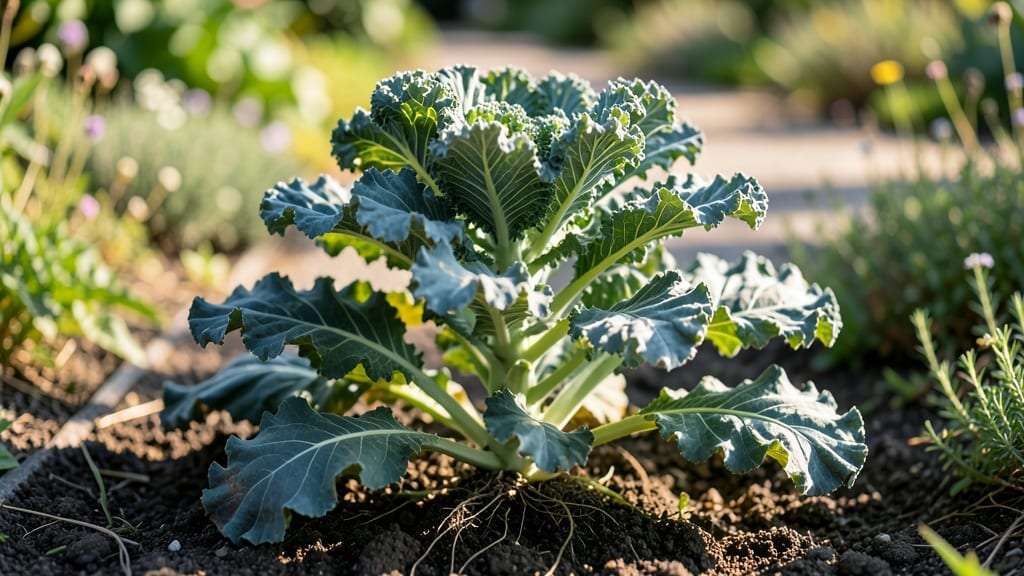
Curly green kale thrives where most greens give up—through frost and snow. 🌱 I've grown it in Zone 4 winters and learned the tricks that keep it producing when other crops quit.
The secret isn't just cold tolerance; it's about timing, soil prep, and a few smart planting choices that turn your garden into a year-round salad bar. Start with rich, well-draining soil mixed with compost—kale hates soggy roots.
Plant seeds directly in spring or fall (never summer heat), spacing them 12-18 inches apart. Transplants work too, but direct-sown kale establishes roots faster in cold soil. The first flush of leaves comes in 4-6 weeks, and with proper care, you'll keep harvesting until snow flies.
What you'll end up with is a shockingly productive plant that tastes sweeter after frost. The curly leaves stay crisp even in freezing temps, and the flavor improves with cold exposure.
Plus, it's one of the few greens that actually gets better as the season progresses—unlike lettuce that bolts or spinach that goes bitter. Works in containers too (5-gallon pots minimum), making it perfect for small spaces. Here's how to keep it thriving through winter—no greenhouses required.
📚 In This Guide
- What you need
- Instructions
- Tips and common mistakes
- Wrapping up and next steps
What you need
- ● Curly green kale seeds – Choose cold-hardy varieties like Winterbor or Lacinato (0.5 oz packet covers ~100 plants).
- ● Well-draining soil – Mix 1 part compost (or aged manure) with 2 parts garden soil (pH 6.0–7.0).
- ● Organic fertilizer – 5-10-10 or compost tea (apply at planting + mid-season).
- ● Mulch – Straw or shredded leaves (2–3 inches) to insulate roots in winter.
- ● Garden trowel – For transplanting seedlings.
- ● Pruners/small shears – To harvest outer leaves without damaging the plant.
- ○ Row cover or frost cloth – 30–50% shade cloth for young plants (optional but helpful in extreme cold).
- ● Watering can or drip irrigation – Kale needs 1–1.5 inches of water weekly.
- ● Gloves – Protect your hands from prickly stems!
- ● Sunlight – Full sun (6+ hours/day) or partial shade (tolerates light frost!).
- ● Space – 12–18 inches apart in rows 2–3 feet apart.
- ● Patience – 50–60 days to maturity, but perennials may regrow for 2+ years!
Step-by-step instructions for growing hardy curly kale perennially
Here's how to establish kale that thrives through winters and rebounds stronger each spring.
🌱 Step 1: Select the Right Variety and Planting Window
Choose cold-hardy curly kale varieties like 'Winterbor' or 'Lacinato'—these handle frost better than others. Plant in early spring 4-6 weeks before last frost or late summer 60 days before first frost for fall harvests. I always plant mine in early May and again in late July for double production.
Curly kale needs full sun to partial shade—at least 4-6 hours of direct sun daily. In hot climates, afternoon shade prevents bolting. Test your spot by watching how nearby plants handle summer heat; if they wilt by noon, your kale will too.
🪴 Step 2: Prepare Soil and Plant with Proper Spacing
Amend your soil with 2-3 inches of compost mixed into the top 6 inches of soil. Kale loves rich, well-draining soil with a pH of 6.0-7.0. I add a handful of aged manure or worm castings to boost nutrients without burning tender roots.
Space plants 18-24 inches apart in rows 2-3 feet apart for good air circulation. Crowded plants develop more pests and diseases. Plant seeds ½ inch deep—they germinate best in 55-75°F soil. Thin seedlings to the strongest 12-15 inches tall when they have 2-3 true leaves.
☀️ Step 3: Water and Fertilize for Winter Survival
Water deeply 1-2 times per week until established, then 1 inch per week thereafter. Kale's deep roots make it drought-tolerant once mature, but young plants need consistent moisture. Water at the base to keep leaves dry and prevent fungal issues.
Side-dress with 1 cup of compost or a balanced organic fertilizer every 4-6 weeks during growing season. In fall, add a 2-inch layer of straw mulch to insulate roots. This protects plants through 10-15°F temperatures—my kale survives winters down to -10°F with this protection.
✂️ Step 4: Harvest and Prune for Perennial Growth
Harvest outer leaves when they reach 6-8 inches, leaving the center to regrow. This method keeps plants producing for 6-8 months. Cut leaves at a 45-degree angle just above a leaf junction to encourage branching.
In late fall, cut plants back to 2-3 inches above ground after first frost. This prevents winter kill and encourages new growth in spring. I've seen kale plants live 3-4 years with proper winter care—just watch for pests like cabbage worms and use row covers if needed.
Tips & tricks for growing hardy curly kale
A few smart strategies that'll help your curly kale survive cold winters and thrive for years.
Variety Matters: While 'Winterbor' and 'Lacinato' are my top picks for cold zones, don't overlook 'Dwarf Blue Curled' if you have limited space. These varieties handle frost beautifully, but avoid tender varieties like 'Red Russian'—they won't survive winter. I've learned this the hard way after losing three batches of less hardy varieties to freezing temperatures.
Soil Prep Secret: The 2-3 inches of compost mixed into the top 6 inches of soil isn't just about nutrients—it's about creating the perfect moisture-retaining environment. I always add a handful of worm castings too, as they introduce beneficial microbes that help kale resist diseases. This soil prep is what makes the difference between kale that lasts 1 year versus 3-4 years.
Planting Timing: Those 4-6 weeks before last frost and 60 days before first frost are critical windows. I plant my first batch in early May and second in late July to ensure I get two harvests per year. Pro tip: Use a frost calculator for your zone to pinpoint exact dates—this prevents bolting from heat stress in summer plantings.
Winter Protection: The 2-inch straw mulch layer isn't just decoration—it's insulation. I've seen kale survive down to -10°F with this protection, but only if applied after the first frost. For extra insurance in extreme winters, add a layer of burlap or row covers after the ground freezes. This creates a microclimate that keeps roots alive even when air temps drop.
Pro Tips for Kale Curly Green
- A few smart strategies that'll help your curly kale survive cold winters and thrive for years.
- Variety Matters: While 'Winterbor' and 'Lacinato' are my top picks for cold zones, don't overlook 'Dwarf Blue Curled' if you have limited space.
- Soil Prep Secret: The 2-3 inches of compost mixed into the top 6 inches of soil isn't just about nutrients—it's about creating the perfect moisture-retaining environment.
Frequently asked questions
Can curly green kale survive winter in cold zones?
Kale is a cold-hardy perennial that thrives in temperatures down to 15–20°F (-9 to -7°C). In fact, frost enhances its sweetness. Use mulch (straw or leaves) to protect roots, and consider row covers in extreme freezes. Just avoid soggy soil—drainage is key!
When is the best time to plant curly green kale for a fall/winter harvest?
Start seeds 8–10 weeks before your first frost for a fall harvest, or plant directly in early spring for overwintering. For perennials, sow in late summer to establish roots before cold sets in. Pro tip: Succession plant every 3 weeks to extend your harvest!
What’s the difference between curly green kale and other kale varieties?
Curly green kale has ruffled, dark green leaves with a peppery bite—milder than red Russian but heartier than lacinato. It’s packed with vitamin K, C, and calcium and stores well. For milder flavor, try Lacinato (Dinosaur) kale; for extra sweetness, Winterbor is a great alternative.
How do I prevent pests like aphids or cabbage worms from destroying my kale?
Use these organic defenses:
- Neem oil spray (weekly preventative)
- Row covers (physical barrier for caterpillars)
- Beneficial insects like ladybugs or lacewings
- Diatomaceous earth (sprinkle lightly on soil)
Rotate crops yearly to break pest cycles—kale’s a brassica, so avoid planting near cabbage, broccoli, or Brussels sprouts.
Will curly green kale regrow in spring after a harsh winter?
Yes! If the crown (base) survives, it’ll sprout new leaves in spring. Prune back damaged foliage in early spring to encourage regrowth. For extra insurance, harvest lightly in winter to avoid stressing the plant. Over time, your kale may bolt (flower)—a sign it’s time to replace it!
Wrapping up and next steps
Growing kale curly green in cold zones isn’t just possible—it’s a rewarding adventure! With the right perennial survival secrets, you’ll harvest crisp, nutrient-packed leaves even in frost. Remember, patience and care (like choosing the right variety and protecting young plants) are your best tools.
Ready to dive in? Start by planting a few seeds or seedlings this season and watch your garden thrive. Share your progress or tips with fellow gardeners—every expert was once a beginner! 🌱