
How To
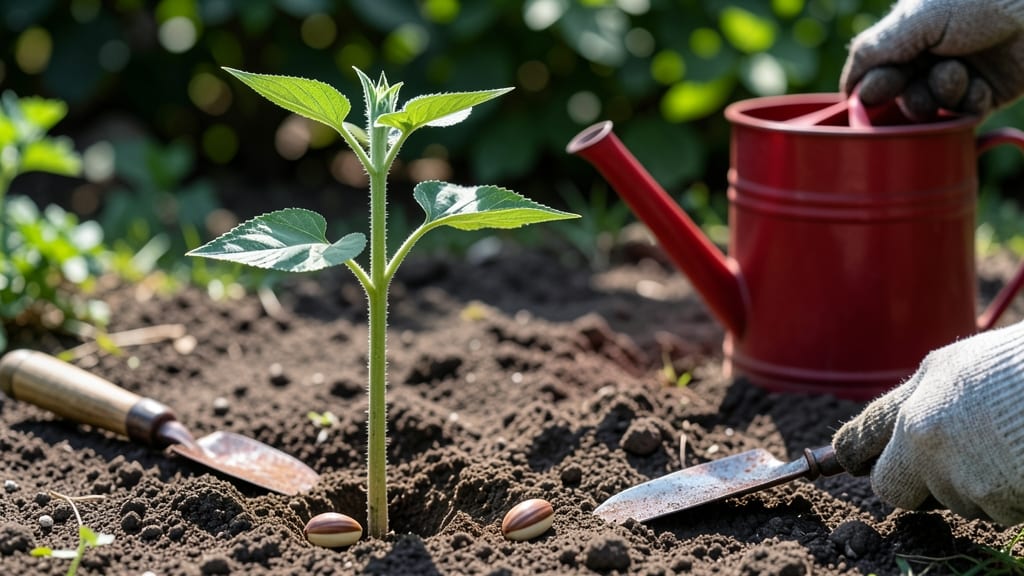
To plant sunflower seeds for those towering blooms you’ve always dreamed of, start with the right depth and spacing—just 1–2 inches deep and 12–24 inches apart.
Picture this: a sunflower 🌻 reaching 10 feet in a single season, its golden face turning toward the sun like a beacon of summer. But that magic begins with a simple, science-backed technique—one that avoids the common mistakes that leave you with weak stems or stunted growth.
Sunflowers thrive in full sun and well-drained soil, but even the hardiest seeds need the right conditions to sprout. Below, I’ll walk you through every step, from soil prep to post-planting care, so you can skip the guesswork and grow sunflowers that outshine the rest of the garden.
Whether you’re a first-time gardener or a seasoned pro, these proven tips will help you avoid overcrowding, poor germination, and other pitfalls. By the end, you’ll know exactly how to plant sunflower seeds for the busiest, most vibrant blooms in your yard.


Optimal sunflower seed planting depth and spacing for maximum growth
Sunflowers thrive when planted with precision—especially when it comes to seed depth and spacing. Too shallow or crowded, and you risk weak stems or poor germination. Too deep or spaced out, and you waste garden space.
The key lies in science-backed techniques that balance soil temperature, moisture, and root development for plants that grow tall and strong.
For sunflowers, the ideal planting depth is 1–2 inches below soil level. This depth ensures seeds have enough moisture to sprout without rotting from excess water. Meanwhile, spacing seeds 12–24 inches apart gives roots room to expand, preventing competition for nutrients and sunlight.
Adjust spacing based on your sunflower variety—dwarf types need less room, while giant varieties require more.
| Factor | Specification | Notes |
|---|---|---|
| Planting Depth | 1–2 inches | Prevents rot while ensuring moisture access. |
| Spacing (Standard) | 12–18 inches | Adjust for dwarf/semi-dwarf varieties. |
| Spacing (Giant) | 24+ inches | Prevents overcrowding for tall stems. |
| Row Spacing | 2–3 feet | Allows airflow and sunlight penetration. |
| Soil Temp | 60–85°F | Germination stalls below 50°F. |
| Moisture | Consistent, not soggy | Keep soil damp until germination. |
Soil temperature plays a critical role in germination. Sunflower seeds need soil that’s at least 60°F—warmer than most spring soils. Use a soil thermometer to check, especially in cooler climates.
If temperatures are below 50°F, germination slows dramatically or fails entirely. In colder regions, consider starting seeds indoors 4–6 weeks before the last frost date for a head start.
Proper moisture levels are just as important as depth. After planting, water gently to settle soil around seeds without displacing them. Keep the soil consistently moist (not soggy) until sprouts appear, typically in 7–14 days.
Once seedlings emerge, reduce watering slightly to prevent fungal diseases like damping off, which attacks young stems at the soil line.
For row placement, space rows 2–3 feet apart to maximize sunlight exposure and airflow. This spacing also makes it easier to weed and monitor plants without disturbing roots.
If growing sunflowers in containers, use 5-gallon pots for dwarf varieties and 15+ gallons for standard or giant types, ensuring pots have drainage holes to prevent root rot.
Overcrowding is a common mistake that leads to weak stems and smaller blooms. When seedlings are 3–4 inches tall, thin them to maintain proper spacing.
Use sharp scissors to cut unwanted seedlings at soil level, leaving the healthiest one per spot. This reduces shock to the remaining plants and prevents nutrient competition.
Sunflowers are heavy feeders, so enrich your soil with compost or a balanced fertilizer (10-10-10) before planting. Mix in 2–3 inches of compost into the top 6–8 inches of soil to provide nutrients throughout the growing season. Avoid fresh manure, which can burn young roots and delay germination.
Finally, pay attention to sunlight exposure. Sunflowers require 6–8 hours of direct sun daily to reach their full height and produce vibrant blooms. If planting in partial shade, expect shorter stems and smaller flowers. In containers, place pots in the sunniest spot available, rotating them occasionally for even growth.
With the right depth, spacing, and soil conditions, your sunflowers will grow into towering, resilient plants that bring joy to your garden. Start with these science-backed guidelines, and watch your sunflowers thrive from seed to bloom! 🌻
Step-by-step sunflower planting process for beginners
Sunflowers are one of the easiest plants to grow, but their towering heights and vibrant blooms depend on proper planting techniques. As a beginner, you’ll want to focus on soil prep, seed depth, and spacing to give your sunflowers the best start.
Let’s break it down into simple, actionable steps so you can grow sunflowers that reach their full potential.
Before you begin, ensure you’ve chosen the right sunflower variety for your space. Dwarf varieties like 'Teddy Bear' (1-3 ft) work well in containers, while standard varieties like 'Mammoth' (10-16 ft) need plenty of room.
Check your last frost date—sunflowers thrive in warm soil and should be planted 2-3 weeks after the last frost in spring.
How to Plant Sunflower Seeds: Step-by-Step
- 1 Prepare the soil: Choose a location with full sun (6+ hours daily) and well-draining soil. Loosen the top 6-8 inches of soil with a garden fork or tiller. Mix in compost or aged manure to enrich the soil with nutrients.
- 2 Plant seeds at the right depth: Press 1-2 sunflower seeds into the soil 1 inch deep and 6-12 inches apart for dwarf varieties or 12-24 inches apart for standard varieties. This spacing prevents overcrowding and ensures strong stems.
- 3 Water gently after planting: Lightly water the soil to settle the seeds and keep it moist but not soggy. Use a spray nozzle or watering can to avoid displacing the seeds. Aim for 1 inch of water per week, adjusting for rain.
- 4 Thin seedlings when they emerge: Once seedlings reach 2-3 inches tall (about 1-2 weeks after planting), thin them to 1 strong seedling per spot. Snip weaker seedlings at the base with scissors to avoid disturbing the roots of remaining plants.
- 5 Protect young plants from pests: Watch for bird damage (they love sunflower seeds!) and squirrels. Cover seeds with chicken wire or use row covers until seedlings are 4-6 inches tall. Apply neem oil if aphids appear.
- 6 Fertilize lightly for strong growth: When seedlings are 6 inches tall, apply a balanced fertilizer (10-10-10) at 1 tablespoon per plant. Avoid over-fertilizing, which can lead to weak stems. Water deeply after fertilizing to help nutrients absorb.
After planting, monitor your sunflowers for pests and diseases. Slugs and cutworms are common early threats—use beer traps or diatomaceous earth to deter them. If leaves yellow or wilt, check for overwatering or fungal issues like powdery mildew.
Keep the base of plants dry and ensure good airflow by spacing them properly.
With consistent care, your sunflowers will grow 3-4 inches per day in ideal conditions. By mid-summer, you’ll be rewarded with bright, cheerful blooms that attract pollinators and add height to your garden. Happy growing! 🌻