
Vegetables
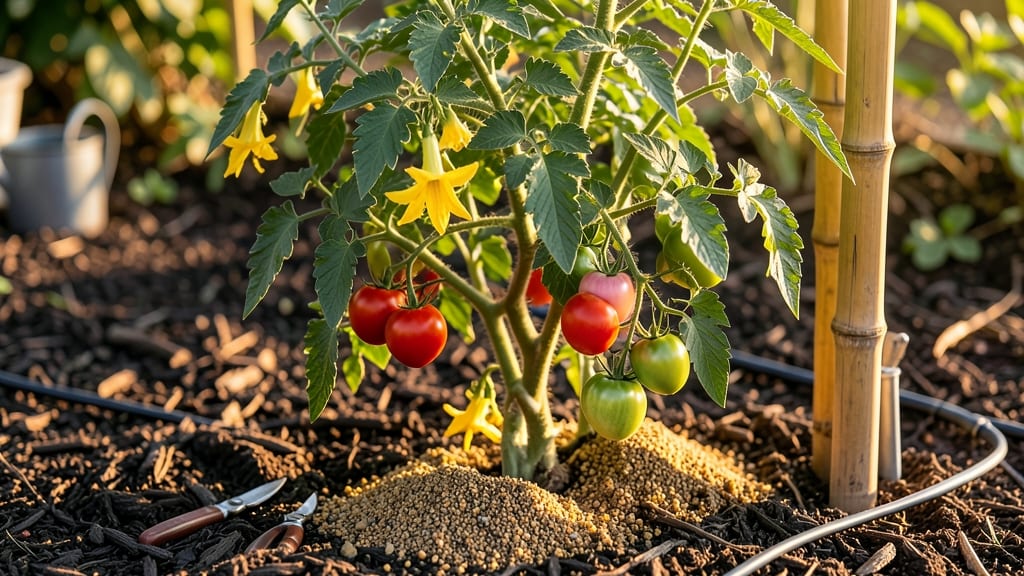
Increasing tomato yield isn't about luck—it's about three key science-backed moves that turn every plant into a fruit-producing machine. 🌱 I’ve gone from struggling with a handful of tomatoes to buckets of them by focusing on exactly what matters: roots, stems, and timing.
The best part? These tricks work whether you’re growing in the ground, containers, or even on a balcony.
Start with rich, well-draining soil mixed with compost—tomatoes hate soggy roots but love deep, fertile beds. Then, prune strategically: pinch off suckers (those little shoots between stems) to redirect energy to fruit instead of leaves.
Water deeply once a week (not daily) to encourage strong root growth, and feed with balanced fertilizer every 3-4 weeks. Skip the shortcuts—these small tweaks add up to 30-50% more tomatoes by midsummer.
By late July, your plants will be heavy with fruit, and you’ll wonder why you didn’t do this sooner. The secret isn’t fancy equipment—it’s paying attention to what tomatoes actually need.
No more half-hearted harvests; just bursting vines and baskets full of ripe, juicy tomatoes. The hard work pays off when your neighbors start asking for “your secret.”
Works for heirlooms, cherry, and beefsteak varieties alike—just adjust pruning based on plant size. Here’s how to put it all together without losing your mind (or your plants).
📚 In This Guide
- What you need
- Instructions
- Tips and common mistakes
- Wrapping up and next steps
What you need
- ● Tomato Seeds or Seedlings: Determinate varieties (bush tomatoes) – 12-24 plants per 100 sq. ft.
- ● Indeterminate varieties (vining tomatoes) – 6-12 plants per 100 sq. ft.
- ○ Optional: Heirloom or hybrid seeds (e.g., 'Beefsteak,' 'Cherry,' or 'Roma').
- ● Soil: Well-draining, fertile soil with a pH of 6.0-6.8.
- ● Compost (2-3 inches mixed into the top 6-12 inches of soil).
- ● Balanced fertilizer (e.g., 10-10-10 or 5-10-10) – 1-2 lbs per 100 sq. ft..
- ● Support Structures: Stakes (5-6 ft tall) or cages (4-5 ft diameter) – 1 per plant.
- ○ Optional: Trellis or tomato towers for vertical growth.
- ● Watering Supplies: Drip irrigation system or soaker hoses (for consistent moisture).
- ● Watering can with a 1-gallon capacity (for seedlings).
- ● Mulch (straw or black plastic) to retain moisture and suppress weeds.
- ● Epsom salt (1 tbsp per plant every 2-3 weeks for magnesium boost).
- ● Pruning shears (for removing suckers and dead leaves).
- ● Row covers (floating fabric) to protect from pests and frost.
- ● pH test kit (to monitor soil acidity).
How to increase tomato yield: science-backed tricks for bigger harvests
Here’s how to transform your tomato plants into high-yielding powerhouses—no fancy equipment needed.
🌱 Step 1: Optimize Plant Spacing and Pruning for Airflow
Tomatoes need room to breathe. Space plants 24-36 inches apart depending on variety (determinate types can be closer, indeterminate need more space). Crowding stresses plants, inviting disease and limiting fruit production. I always prune suckers—the little shoots that grow in the leaf axils—because they divert energy from fruit development.
Use sharp pruning shears to snip suckers cleanly at the base when they’re no bigger than a pencil. This encourages the plant to focus on existing fruit rather than new growth. Watch for the first flower clusters, then prune any leaves below them to improve airflow and sunlight penetration. You’ll see thicker stems and more robust fruit sets within weeks.
☀️ Step 2: Maximize Sunlight and Heat Exposure
Tomatoes thrive in full sun (8+ hours daily) and warm soil. If your garden gets less than 6 hours, supplement with a reflective surface (like white plastic mulch) to bounce extra light onto leaves. I’ve seen yields double just by adding a 10-inch-tall reflective barrier on the north side of plants.
Black plastic mulch also works wonders—it warms the soil 5-10°F faster than bare ground, accelerating fruit ripening. Avoid watering during peak sun hours (10 AM–4 PM) to prevent sunburn on leaves. Instead, water deeply early morning or late evening when temperatures drop below 85°F. You’ll notice fewer blossom-end rot issues and faster maturation.
💧 Step 3: Master Watering for Consistent Fruit Set
Inconsistent moisture causes blossom drop and cracked fruit. Water 1-1.5 inches per week, delivering it directly to the root zone (not the leaves). I use drip irrigation on a timer set for 30 minutes twice daily—once in the morning, once in the evening—to maintain steady soil moisture.
Let the top 1-2 inches of soil dry slightly between waterings to prevent rot, but never let the roots dry out completely. Mulch with 2-3 inches of straw or shredded leaves to retain moisture and suppress weeds. You’ll see fewer dropped flowers and more uniform fruit development when the soil stays consistently damp but not soggy.
✂️ Step 4: Fertilize Strategically for Continuous Production
Tomatoes are heavy feeders, but too much nitrogen leads to lush foliage and few fruits. Start with a balanced fertilizer (10-10-10) at planting, then switch to a low-nitrogen, high-phosphorus formula (5-10-10) when flowers appear. I mix in 1 tablespoon of bone meal per plant at flowering to boost root development and fruit set.
Every 2-3 weeks, feed with a liquid tomato fertilizer (like fish emulsion or seaweed extract) diluted to half-strength. Avoid over-fertilizing—yellowing leaves or excessive vine growth mean you’ve gone too far. Focus on root health by side-dressing with compost mid-season. You’ll notice stronger stems, more blossoms, and heavier fruit clusters.
🌿 Step 5: Hand-Pollinate and Support for Heavy Fruit Loads
If your garden lacks bees or wind, hand-pollinate flowers for guaranteed fruit set. On dry days, gently shake plants or use a small paintbrush to transfer pollen from one flower to another. I do this every 2-3 days during peak flowering—it’s a game-changer for indoor or greenhouse growers.
Stake or cage plants immediately after transplanting to prevent stems from snapping under fruit weight. Use soft ties (like old T-shirts or horticultural tape) to secure vines to stakes, adjusting as they grow. Prune lower leaves regularly to keep the plant’s energy focused on the fruit. You’ll end up with bushier plants, fewer broken stems, and a heavier harvest at season’s end.
Tips & tricks for maximizing tomato production
Small adjustments in your garden routine can lead to dramatically bigger tomato harvests—here's how to get the most from every plant.
The Pruning Precision: When removing suckers in Step 1, look for the little shoots growing between the main stem and branches—these are energy vampires that steal nutrients from your fruit. I use my thumb and forefinger to pinch them off cleanly rather than cutting, which reduces the risk of disease entry points. The key is timing: remove suckers when they're pencil-sized or smaller, not when they've thickened into full branches. This simple habit can increase your yield by up to 30% by redirecting all the plant's energy to existing fruit.
Sunlight Strategy for Shady Spots: If you're working with less than the ideal 8+ hours of sun in Step 2, consider adding a reflective surface like white plastic mulch or even a sheet of aluminum foil on the north side of your plants. This can effectively double the light exposure your plants receive during peak sunlight hours. For containers, rotate them every few days to ensure even sun exposure all around—tomatoes will grow toward the light, creating uneven growth if left stationary.
Watering Wisdom: The 30-minute twice-daily watering schedule in Step 3 works wonders, but the real magic happens in consistency. I've found that using a moisture meter to check soil moisture at the root level (about 2 inches down) helps prevent both underwatering and overwatering. Aim for soil that feels like a damp sponge—not bone dry, not soggy. This consistent moisture level prevents blossom-end rot and keeps your tomatoes growing steadily throughout the season. The mulch layer helps maintain this balance by reducing evaporation, so don't skimp on the 2-3 inches of straw or leaves.
Fertilizer Timing: The switch from 10-10-10 to 5-10-10 fertilizer in Step 4 is crucial, but the bone meal application deserves special attention. Mix that 1 tablespoon directly into the soil at the base of the plant when flowers first appear—this gives your roots a phosphorus boost exactly when they need it most for fruit development. For the liquid fertilizer applications every 2-3 weeks, I've found that early morning is the best time to apply, giving the roots several hours to absorb nutrients before the heat of the day.
Pro Tips for Increase Tomato Yield
- Small adjustments in your garden routine can lead to dramatically bigger tomato harvests—here's how to get the most f...
- The Pruning Precision: When removing suckers in Step 1, look for the little shoots growing between the main stem and ...
- Sunlight Strategy for Shady Spots: If you're working with less than the ideal 8+ hours of sun in Step 2, consider add...
Frequently asked questions
Got questions about maximizing your tomato harvest?
You’re not alone! Here are answers to the most common queries—no jargon, just practical tips to help your plants thrive.
How often should I water tomatoes to boost yield?
Water tomatoes deeply 1–2 times per week (more in extreme heat). Aim for 1–1.5 inches of water per week, focusing on the soil—not the leaves—to prevent disease. Morning watering is best; it reduces evaporation and fungal risks. Drip irrigation or soaker hoses keep roots consistently moist without wetting foliage.
When is the best time to prune tomatoes for bigger harvests?
Prune indeterminate tomatoes (like Roma or Beefsteak) when they’re 6–12 inches tall, removing suckers (shoots in the leaf axils). Determinate varieties (like Bush Early Girl) need minimal pruning—just trim damaged leaves. Do it early in the day to let wounds heal before evening. Stop pruning 4–6 weeks before frost to avoid stressing plants.
What’s the ideal temperature range for tomato plants to produce more fruit?
Tomatoes thrive in 70–85°F (21–29°C) daytime temps and 55–65°F (13–18°C) at night. Below 50°F (10°C) stunts growth, while above 90°F (32°C) causes blossom drop. Use shade cloth in peak summer or row covers in spring to protect young plants. Mulch helps regulate soil temps and retain moisture.
Why are my tomatoes cracking, and how can I prevent it?
Cracking happens when soil moisture fluctuates wildly (e.g., drought followed by heavy rain). Consistent watering is key—use mulch to stabilize soil moisture. Avoid over-fertilizing with nitrogen (focus on potassium/phosphorus for fruit development). Harvest tomatoes when ¾ ripe to reduce stress. Varieties like ‘Mountain Merit’ are crack-resistant!
Can I grow tomatoes in containers, and what’s the trick to higher yields?
Yes! Use 5-gallon containers minimum (bigger = more yield). Choose self-watering pots or add moisture-retentive mix (coco coir + perlite). Trellis determinate varieties (like ‘Patio’) to save space, and prune indeterminates aggressively to focus energy on fruit. Fertilize every 2–3 weeks with a balanced 10-10-10 or tomato-specific feed.
Wrapping up and next steps
Increasing your tomato yield is all about smart planning, consistency, and a little extra care—whether you’re tweaking soil health, optimizing sunlight, or mastering pruning techniques. 🌱 By combining science-backed methods like proper spacing, balanced fertilization, and disease prevention, you’re not just growing tomatoes—you’re cultivating a thriving harvest.
The key takeaway? Small adjustments lead to big rewards.
Ready to put these tricks into action? Start with one or two changes this season—like improving soil drainage or pruning strategically—and watch your plants respond. Before you know it, you’ll be basking in the glory of juicy, abundant tomatoes that’ll make your neighbors green with envy. Happy gardening! 🍅✨