
Flowers
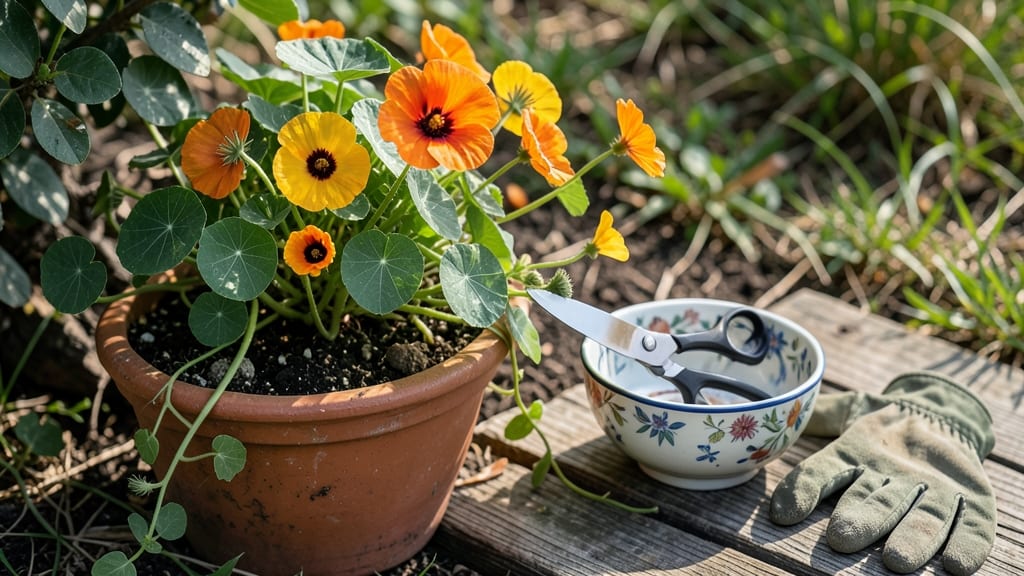
To harvest nasturtium flowers at their peak flavor and edibility, snip them in the morning after the dew dries but before the heat sets in — that’s when the petals are crisp and the peppery taste is strongest.
You might think any flower will do, but timing and technique make all the difference. A hasty cut can damage the plant, while the wrong stage ruins flavor.
Below, I’ll show you exactly when to harvest for the best taste and how to do it without stunting your 🌸 nasturtium’s growth.
These vibrant blooms aren’t just pretty—they’re packed with culinary potential. Whether you’re adding them to salads, drying them for garnishes, or infusing them into vinegar, knowing the right moment to pick ensures every bite is fresh and full of flavor.
From the tools you’ll need to post-harvest care, I’ve got you covered. By the end, you’ll be harvesting like a pro, keeping your plants happy and your kitchen creative.


Best time to harvest nasturtium flowers for maximum flavor and edibility
Timing is everything when harvesting nasturtium flowers—especially if you want the brightest flavor and longest shelf life. These edible blooms pack a peppery kick when picked at their peak, but harvest too early or late, and you’ll miss out on their vibrant taste and nutritional benefits.
The right moment balances maturity, flavor intensity, and plant health, ensuring your garden keeps producing beautiful, edible blooms all season.
Most gardeners assume fully open flowers are ready to pick, but that’s not always the case. The best time to harvest nasturtiums is actually when the petals are just fully unfurled—typically mid-morning after dew has dried but before the afternoon heat causes wilting.
This timing preserves flavor potency and prevents the flowers from becoming bitter or losing their vibrant color. Morning harvests also give you a head start on using them fresh in culinary dishes or preservation projects.
| Harvest Stage | Best Time of Day | Flavor & Appearance | Seasonal Window |
|---|---|---|---|
| Fully Open Petals | Morning (8-10 AM) | Peak flavor, bright color, crisp texture | June–September |
| Bud Stage (Just Opening) | Late Morning (10 AM–Noon) | Mild flavor, tender petals | May–October |
| Overripe/Wilted | Avoid (All Day) | Bitter, dull color, mushy texture | Late August–Frost |
Understanding the maturity stages of nasturtium flowers is key to maximizing their edible potential. Fully open flowers (with petals completely unfurled) offer the boldest peppery flavor and most vibrant color, making them ideal for garnishes or infused oils.
However, if you prefer a milder taste, harvest them when they’re just budding—right as the petals begin to open. These young blooms are tender and perfect for salads or decorative dishes where you want a subtle peppery note.
Seasonal timing also plays a role in flavor intensity. Nasturtiums planted in early spring (after the last frost) will produce their first harvestable flowers in late May or early June, while those sown in summer may bloom as late as September.
In warmer climates (USDA Zones 8-10), you can extend your harvest into early October, but always pick before the first frost threat, which turns petals bitter and mushy. If frost is imminent, harvest aggressively to use flowers fresh or preserve them for later.
One common mistake is harvesting nasturtiums in the afternoon, especially on hot days. The intense sunlight causes flowers to wilt quickly, reducing their shelf life and flavor quality.
If you must harvest later in the day, do so in the late afternoon (after 4 PM) and handle flowers gently to avoid damaging delicate petals. Always store harvested blooms in a paper towel-lined container in the fridge to maintain freshness for up to 5 days.
For continuous blooming and a steady supply of edible flowers, adopt a regular harvesting schedule. Pinch off spent blooms (those that have faded or wilted) to encourage the plant to produce new flowers.
This practice also prevents the plant from self-seeding excessively, which can lead to overcrowding. If you notice fewer flowers or smaller blooms later in the season, it may be time to fertilize lightly with a balanced 5-10-5 formula to support ongoing growth.
Pro tip: Nasturtium leaves are also edible and can be harvested alongside flowers. Young leaves have a milder peppery taste and are great for pesto or wraps.
To harvest leaves, simply snip the youngest growth from the tips of stems, leaving at least half the leaf intact to ensure the plant continues to thrive. This dual
Step-by-step guide to harvesting nasturtium flowers without damaging plants
Harvesting nasturtium flowers properly keeps your plants thriving while giving you the freshest, most flavorful blooms. The key is to cut at the right time using the right tools and techniques.
I’ve learned that even a small mistake—like cutting too close to the stem—can stress the plant and reduce future blooms.
Start by gathering your harvesting tools: a pair of clean, sharp pruning shears or scissors, a small bucket with water, and a glove if you’re sensitive to the plant’s mild peppery oils. Avoid using your hands to pluck flowers, as this can damage delicate stems and encourage disease.
How to Harvest Nasturtium Flowers
- 🌺 Choose the right flowers: Pick fully open blooms with vibrant petals and a slightly raised center. Avoid buds or wilting flowers.
- ✂️ Use clean tools: Sterilize your scissors with rubbing alcohol to prevent spreading bacteria or fungi to healthy stems.
- 🌿 Cut at the base: Snip the stem 1-2 inches below the flower at a 45-degree angle to encourage water uptake and prevent rot.
- 💧 Harvest in the morning: Flowers picked early in the day retain moisture and flavor longer, making them ideal for culinary use.
- 🌱 Leave some blooms: Never harvest more than 1/3 of the flowers at once to ensure continuous blooming throughout the season.
- 🌧️ Avoid wet conditions: Harvest after morning dew has dried to prevent fungal issues and ensure clean cuts.
After harvesting, place the flowers in a bucket of water to keep them fresh. If you’re not using them immediately, store them in the refrigerator for up to 3-5 days.
For long-term storage, dry the flowers by hanging small bundles upside down in a dark, well-ventilated area for 1-2 weeks.
To encourage regrowth and more blooms, trim back any leggy or overgrown stems after harvesting. This pruning stimulates bushier growth and more flowers. I’ve found that nasturtiums respond well to gentle pruning, so don’t be afraid to give them a little haircut every few weeks.
Finally, keep an eye on your plants for signs of stress, like yellowing leaves or stunted growth. If you notice these, reduce harvesting frequency and focus on providing adequate sunlight and water.
With the right care, your nasturtiums will reward you with a steady supply of vibrant, edible blooms all season long.